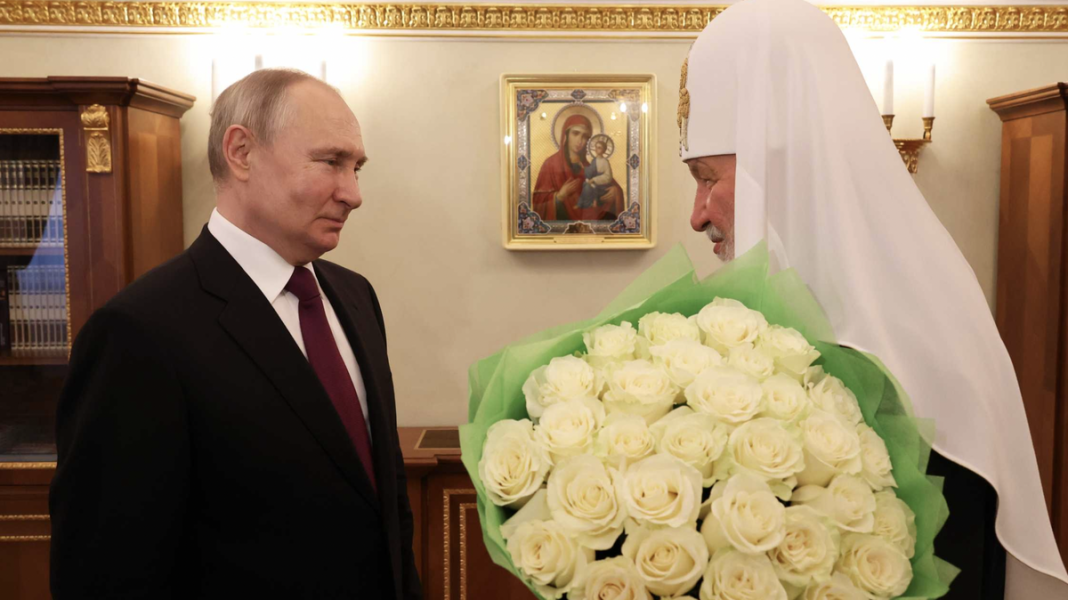

In recent years, the relationship between the Russian state and the Orthodox Church has grown increasingly intertwined, with President Vladimir Putin leveraging religious influence to bolster his political and military objectives. This dynamic is evident in the prominent clergy’s active endorsement of the nation’s defense policies.
The Role of the Russian Orthodox Church in State Affairs
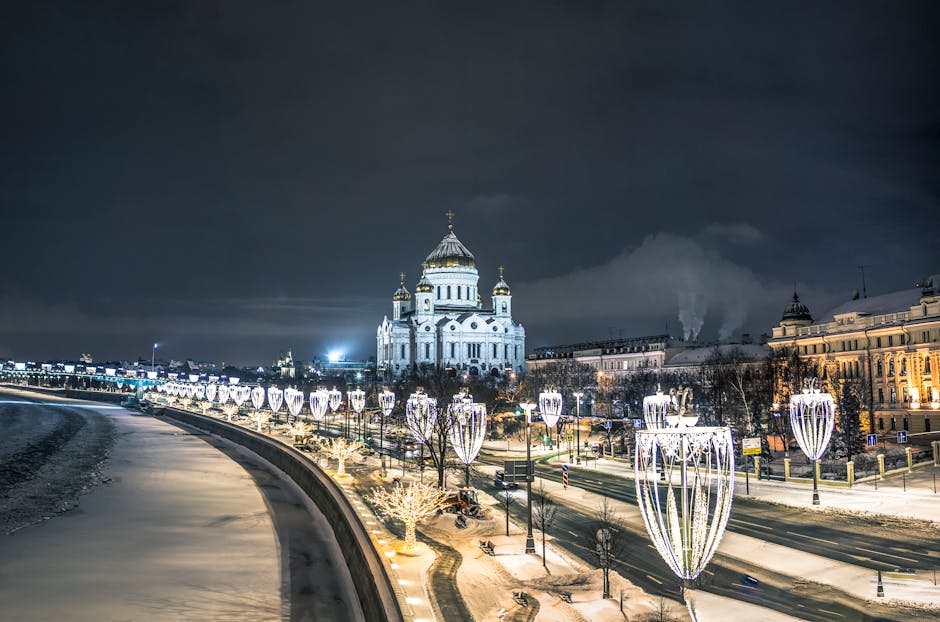
The Russian Orthodox Church, traditionally a significant cultural and spiritual presence in Russia, has seen its influence expanded under Putin’s administration. The Church’s leadership, particularly Patriarch Kirill, has vocally supported government initiatives, often portraying Russia’s political moves as a crusade to preserve spiritual and moral values. This alignment has been further cemented by the Church’s endorsement of military actions, framing them as necessary for protecting the nation against perceived Western aggression.
The Interplay between the Church and the State has not gone unnoticed. By casting military endeavors in a religious light, the Church strengthens public support and lends a divine justification to Russia’s geopolitical strategies. This merger of religious authority with state policy underscores a strategic partnership that benefits both Putin and the Church’s leadership.
Patriarch Kirill’s Advocacy for Military Engagement

Patriarch Kirill has become a pivotal figure in advocating for Russia’s military commitments. In his speeches, Kirill frequently champions the notion of Russia as a defender of traditional values and a bulwark against secular influences from the West. His rhetoric not only reinforces nationalistic fervor but also frames military engagement as an extension of Russia’s spiritual mission, a concept that resonates deeply with many Russian citizens.
This clerical support is crucial for the Kremlin, as the Orthodox Church maintains significant influence across the country. By positioning military actions as morally justified, Patriarch Kirill aids in sustaining domestic backing for Russia’s foreign policy maneuvers, mitigating potential dissent within religious communities.
The Impact on Russian Society

The Church’s militaristic rhetoric has substantial implications for Russian society. Citizens are increasingly exposed to narratives that intertwine religious duty with patriotic duty, blurring the lines between spiritual belief and state loyalty. This fusion of religious and nationalistic identity can lead to a heightened sense of collective mission, impacting social cohesion and individual perspectives on global events.
Critics, however, warn of the dangers inherent in this close church-state relationship. By equating religious belief with state objectives, there is a risk of marginalizing dissenting voices and narrowing the space for critical thought and debate within both religious and public spheres.
Broader International Concerns

Internationally, the militarization of religious discourse poses challenges for diplomatic relations. The Russian Orthodox Church’s backing of state policies may complicate interfaith dialogues and create friction with religious groups abroad, particularly those advocating for peace and reconciliation. Furthermore, it raises concerns about the role of religion in justifying military aggression on the global stage.
The blending of national policy with religious ideology also prompts questions about the ethical responsibilities of religious institutions in global geopolitics. As the world becomes increasingly interconnected, the impact of such alliances reaches beyond Russia’s borders, influencing international perceptions of religious institutions and their roles in state matters.
In conclusion, Putin’s use of the Russian Orthodox Church to support military objectives highlights a strategic alliance that bolsters his regime while reinforcing the Church’s societal influence. This partnership reflects a broader trend of combining religious and national rhetoric to sustain domestic support for controversial state actions.