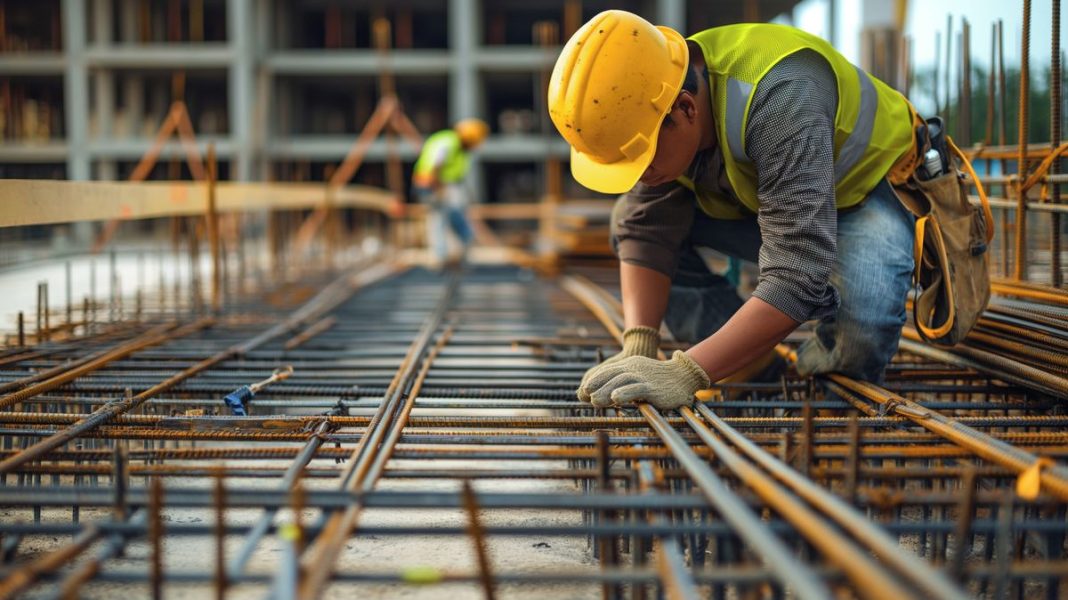

In recent years, the European workforce has increasingly come to depend on Ukrainian labor, which raises questions about the sustainability of this reliance as many Ukrainians consider returning home. This dynamic has broader implications for both the countries benefiting from this labor and Ukraine itself.
The Economic Impact of Ukrainian Labor in Europe

Ukrainians make up a significant portion of the workforce in various European sectors, including agriculture, construction, and services. Their contributions are vital to the economies of host countries, filling labor shortages and supporting industries that struggle to attract local workers. Countries like Poland and the Czech Republic especially rely on Ukrainian employees to sustain their economic growth and competitiveness.
The influx of Ukrainian workers has helped stabilize wages and meet urgent labor demands, but it also raises questions about long-term reliance. If Ukrainian workers decide en masse to return home, it could lead to significant disruptions in these sectors, impacting productivity and economic stability.
Challenges Facing Returning Ukrainians

Ukrainians returning home face several challenges, including reintegration into the job market and adapting to potential changes in their homeland’s economic landscape. Ukraine’s labor market may not be able to readily absorb returning workers, which could lead to widespread unemployment and underemployment issues.
Moreover, the skills and experience gained abroad might not always align with local needs, necessitating retraining or further education. The ability of returnees to reintegrate effectively will significantly depend on Ukraine’s economic policies and infrastructural readiness.
Implications for Host Countries

For the European countries that have grown to depend on Ukrainian labor, the potential return of these workers could mean restructuring their labor markets. These nations might need to invest in automation or seek alternative labor sources, potentially increasing costs and altering economic dynamics.
Host countries might also need to implement policies to attract and retain foreign workers, either by improving working conditions or offering more permanent residency options. These measures could help mitigate the effects of a sudden decline in available labor.
The Role of Policy and International Cooperation

The interplay between Ukrainian labor dynamics and European economies highlights the importance of international cooperation and effective policy measures. Countries can benefit from coordinated efforts to create a more balanced labor exchange, ensuring fair treatment and opportunities for all workers involved.
Furthermore, policy initiatives that support the economic development of Ukraine could facilitate a smoother reintegration process for returning workers, while fostering stronger bilateral relations between Ukraine and its European neighbors.
As the landscape of labor shifts, understanding the intricate relationship between Ukrainian workers and European economies becomes ever more crucial. The future will depend on how countries navigate these complexities and adapt to changing global labor dynamics.