

In a move that has stirred both civic pride and political debate, the government has established a new public holiday centered around the national flag. This decision, reflecting a growing emphasis on patriotic symbolism, aims to unify citizens while sparking discussions about the significance and consequences of such symbolism in daily life.
Roots of the Flag Holiday
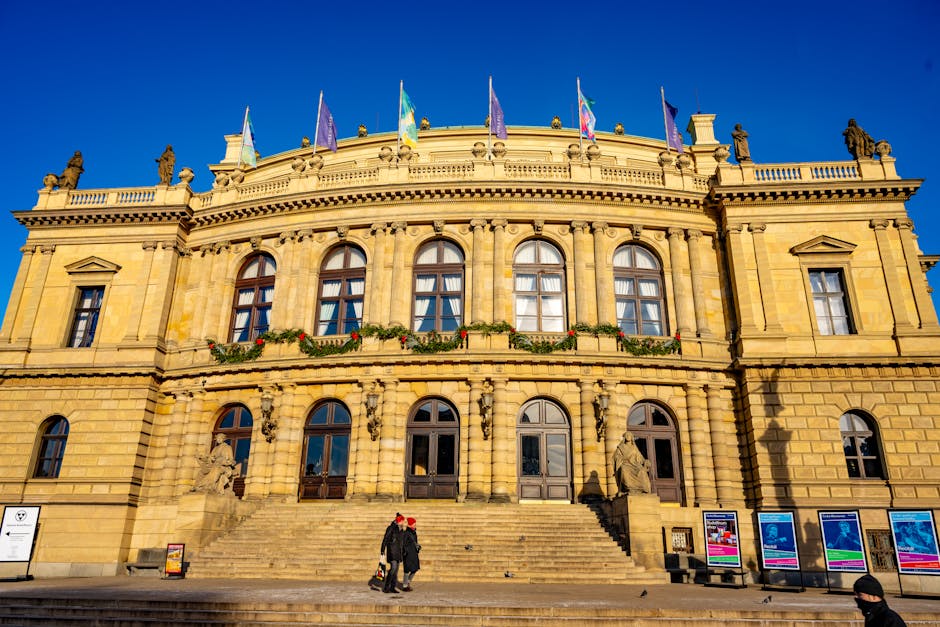
The creation of a flag-themed holiday underscores the government’s commitment to fostering a strong sense of national identity. The initiative is intended to celebrate the flag as a symbol of unity, history, and the shared values of citizens. From the Vltava River to the rooftops of Prague, the flag will serve as a reminder of national heritage and pride. Events are planned throughout the country to commemorate this day, involving various activities that highlight cultural traditions.
While this endeavor may appear straightforward, the choice to enshrine a new holiday rooted in national symbolism has prompted diverse reactions from the public. Supporters argue that it bolsters civic engagement and strengthens community bonds, fostering a unified national spirit. Detractors, however, express concerns regarding the politicization of such symbols and the implications for social cohesion.
Public Reaction and Debate

The introduction of this holiday has ignited a lively debate both in political circles and among the public. On one side, proponents are excited about the prospect of having a dedicated day to celebrate the flag, seeing it as a means to enhance national cohesion. They view it as a potential boost for tourism, with festive events drawing international visitors to witness the unique celebrations.
Conversely, some citizens question whether government resources might be better allocated elsewhere, especially during times of economic uncertainty. Critics argue that while flag symbolism is significant, it should not eclipse pressing social and economic issues that require attention and funding.
Implementation and Activities

The inaugural celebration is poised to take place with various activities planned to engage citizens across all ages. Public institutions, schools, and cultural organizations are encouraged to participate by organizing educational programs and displays that highlight the history and meaning of the flag. In Prague, a grand parade is scheduled, featuring elaborate floats and performances that celebrate the nation’s diverse cultural landscape.
Schools plan to integrate flag-related projects into their curricula, allowing students to explore the symbolism and legacy of the national emblem. Through art, music, and history classes, students will gain a deeper understanding of how the flag represents national identity and the values it upholds.
Potential Long-term Impact

The establishment of the flag holiday could have significant long-term effects on national identity and cultural memory. It presents an opportunity for citizens to reconnect with the history and values that the flag embodies, potentially fostering a deeper appreciation for the country’s past achievements and future aspirations.
This newfound focus on patriotic celebration may also contribute to a reinvigorated cultural narrative, emphasizing unity and resilience. However, skeptics remain wary of the possibility that such a focus could overshadow critical discourse on current social challenges, potentially polarizing public opinion further.
The implementation of a national flag holiday highlights the government’s focus on reinforcing national identity through symbolic gestures. While the holiday aims to unify and inspire, the broader implications of such a movement continue to provoke debate and analysis.
Source: Official Czech Government website.





