
In a surprising development, the Colombian President has accused the United States of bombing a Venezuelan factory, according to reports aired by Czech TV. This claim has stirred significant attention and demands further examination, given the geopolitical tensions in the region.
The Allegations

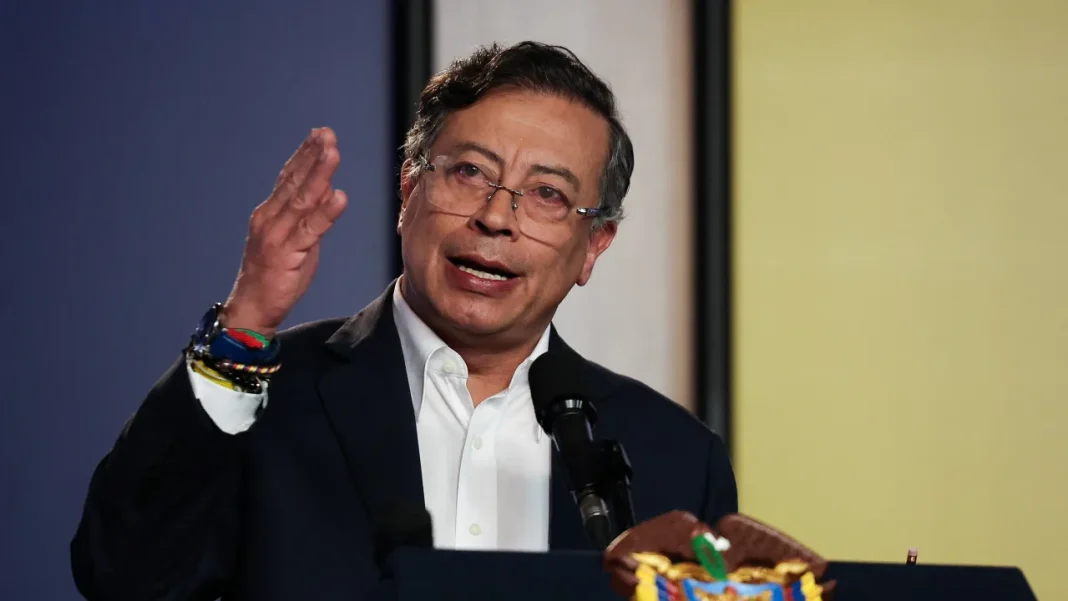
Colombian President Gustavo Petro stated that a U.S. military operation targeted a factory in Venezuela, marking an escalation in international interventions in South American affairs. The factory, according to Petro, was involved in the production of industrial goods crucial to Venezuela’s economy. The ramifications of such a claim, if proven true, could provoke further diplomatic strains between the countries involved.
The precise motivations behind the alleged bombing remain unclear, and no official comment has been made by the United States at the time of reporting. Observers speculated that this action might be tied to wider geopolitical dynamics and the broader U.S. strategy concerning Venezuela’s current political leadership.
Regional Reactions

The accusation has resonated throughout South America, igniting discussions about sovereignty and foreign intervention. Several regional leaders have voiced their concerns, urging an investigation into the incident to determine its veracity. Such accusations, if substantiated, could challenge the existing diplomatic frameworks and agreements in place among South American nations and the United States.
Analysts have suggested that this event could signal a shift in Colombian-Venezuelan relations, historically marked by tension but occasionally interspersed with diplomatic negotiations aimed at economic cooperation and border security.
International Implications

The allegation also poses significant implications for international relations, particularly in how global powers interact with South American nations. The incident has triggered reactions from international organizations, calling for greater oversight and accountability in military operations within sovereign nations.
This development might also affect U.S. relations with other countries in the region, compelling American diplomats to engage in damage control and reinforce existing alliances. The possibility of economic sanctions or policy adjustments remains on the table as the international community watches closely.
The Role of Media in Crisis Situations

Czech TV’s coverage of the claim has highlighted the critical role media plays in reporting potentially volatile news. By broadcasting the Colombian leader’s statement, the network has drawn attention to the needs for transparency and responsible journalism, underscoring the importance of verifying facts in diplomatic matters.
This incident demonstrates the power of media to influence public perception and diplomatic negotiations, especially in cases where the truth is not immediately apparent. Continuous reporting and analysis are crucial as more information comes to light in the coming days.
As investigations potentially unfold, the global community awaits further developments to better understand the full scope and truth of this controversial claim.