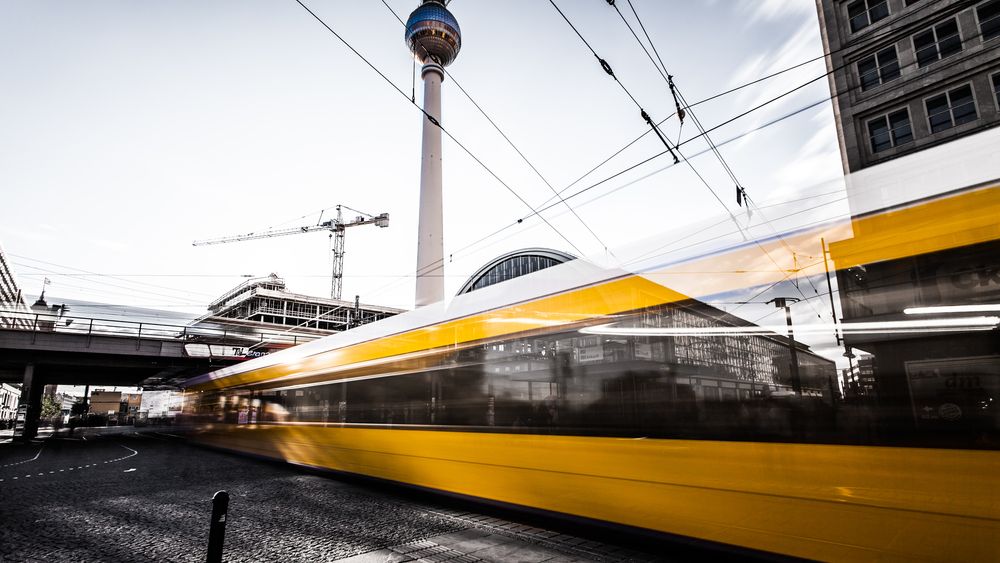

A significant strike action is currently taking place across Germany, initiated by public transport workers demanding better wages and working conditions. The strike has brought widespread disruptions to urban transit systems, affecting millions of daily commuters.
Extent of the Disruption

The strike has hit major cities including Berlin, Munich, and Hamburg, where bus, tram, and subway services have come to a standstill. Commuters are facing longer travel times and crowded alternatives as they navigate the transportation chaos. Local authorities have advised residents to seek alternative travel methods, such as carpooling or cycling, in an effort to alleviate congested roads.
Main transportation unions such as Ver.di and the EVG are spearheading the strike, arguing that inflation and rising living costs necessitate an urgent review of worker wages and conditions. They are calling for a significant pay increase to offset financial strains experienced by their members.
Public and Political Reactions

The strike has evoked mixed reactions among the public. While some commuters express frustration over the inconvenience, others show solidarity, understanding the workers’ demands for fair compensation. Social media platforms have become arenas for lively debates on the validity and impact of the strike.
Politically, the strike has placed immense pressure on municipal governments and transport authorities to engage in negotiations. Political leaders are urging both parties to find common ground and resume services to ease the burdens on the public.
The Unions’ Demands

Transport unions are advocating for a 10% wage increase for their members, citing inadequate compensation compared to the demanding nature of the job and the increasing cost of living in German cities. They argue that better salaries will not only improve workers’ livelihoods but also help in recruiting and retaining staff in a sector currently grappling with labor shortages.
Beyond wages, the unions are seeking improved working conditions, including shorter shifts and enhanced safety measures, particularly in the context of a post-pandemic world where health risks remain a concern.
Potential Long-Term Impacts

If unresolved, the strike has the potential to cause long-term disruptions and economic ramifications in German cities. The interruption of daily work commutes and supply chains could dampen productivity and economic activity, placing additional strain on businesses already recovering from pandemic-induced challenges.
The outcome of the strike may set precedents for future labor actions in other sectors, as it addresses broader themes of workers’ rights, economic equity, and inflation-induced challenges.
As the situation unfolds, both commuters and authorities alike are closely monitoring any progress in negotiations, hoping for a swift and amicable resolution that balances worker needs with public service continuity.
Source: Official Ver.di website.