
The aftermath of a military coup can send shockwaves through a nation, unraveling its societal fabric and pushing it into a spiral of violence and instability. The grim reality of child soldiers, prison torture, and exhausting conflicts highlight the dire human rights crisis in regions afflicted by such upheavals.
The Rise of Child Soldiers

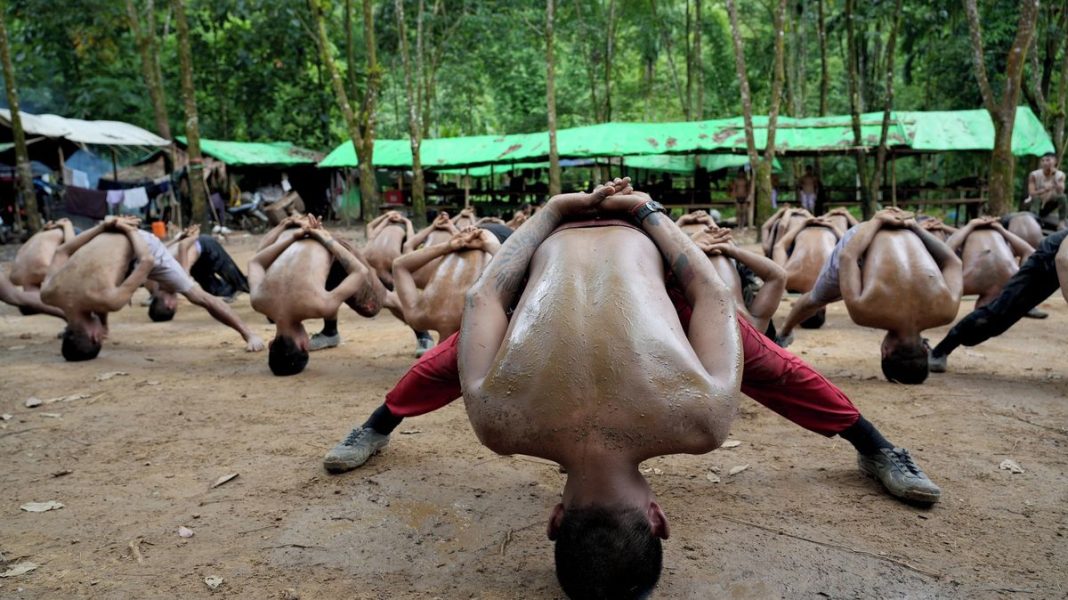
In many war-torn regions, the conscription of children as soldiers is a tragic reality. These young recruits often experience severe psychological and physical trauma, coerced into combat roles or used as human shields. The exploitation of children in conflict zones not only robs them of their childhood but perpetuates a cycle of violence that hinders peace-building efforts.
Efforts to demobilize and reintegrate child soldiers face numerous challenges, including lack of resources and pervasive instability. Non-governmental organizations play a crucial role in supporting these children through rehabilitation programs designed to provide education, counseling, and social reintegration opportunities.
Torture in Prisons

Prison torture remains a critical issue in countries experiencing political upheaval. Detainees often face inhumane conditions, physical abuse, and psychological torment as authorities wield power unchecked by international oversight. Reports of human rights organizations frequently highlight the alarming conditions within such detention facilities.
Efforts to address these abuses include calls for international intervention and stringent monitoring by human rights bodies. Ensuring accountability and transparency within the justice system is crucial for preventing torture and safeguarding the rights of prisoners.
Unending Conflicts

The political instability following a coup often leads to prolonged conflicts that exhaust a country’s resources and resilience. These conflicts can be driven by ethnic disparities, power struggles, or economic grievances, further fracturing an already fragile society. International peacekeeping missions are often tasked with mitigating violence, but their success is contingent on cooperation from local parties.
Rebuilding a fragmented nation requires a comprehensive approach that addresses the root causes of conflict, promotes inclusive governance, and fosters dialogues between opposing factions. Sustainable peace can only be achieved through enduring local and international efforts.
Humanitarian Response
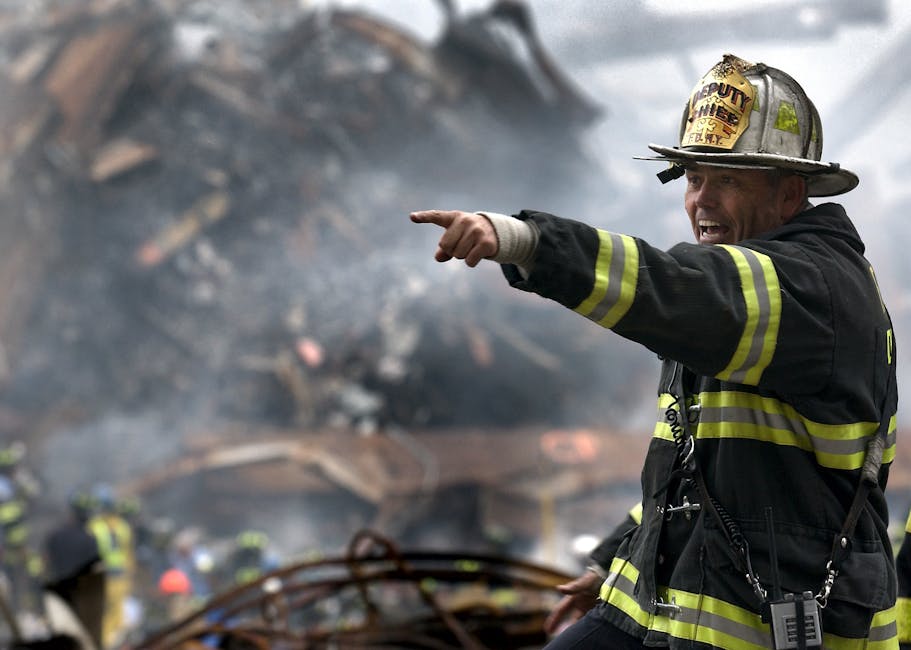
The humanitarian response to crises exacerbated by coups is multifaceted, involving emergency aid, medical assistance, and support for displaced populations. International organizations collaborate to provide relief, although logistics challenges and security concerns can hinder operations.
Coordination between international bodies and local communities is essential to ensure aid reaches those most in need. Supporting community resilience and self-sufficiency remains a priority to reduce dependency and aid fatigue over time.
In the face of enduring instability, it is imperative to keep the focus on human rights and international collaboration to steer affected nations towards recovery and peace.