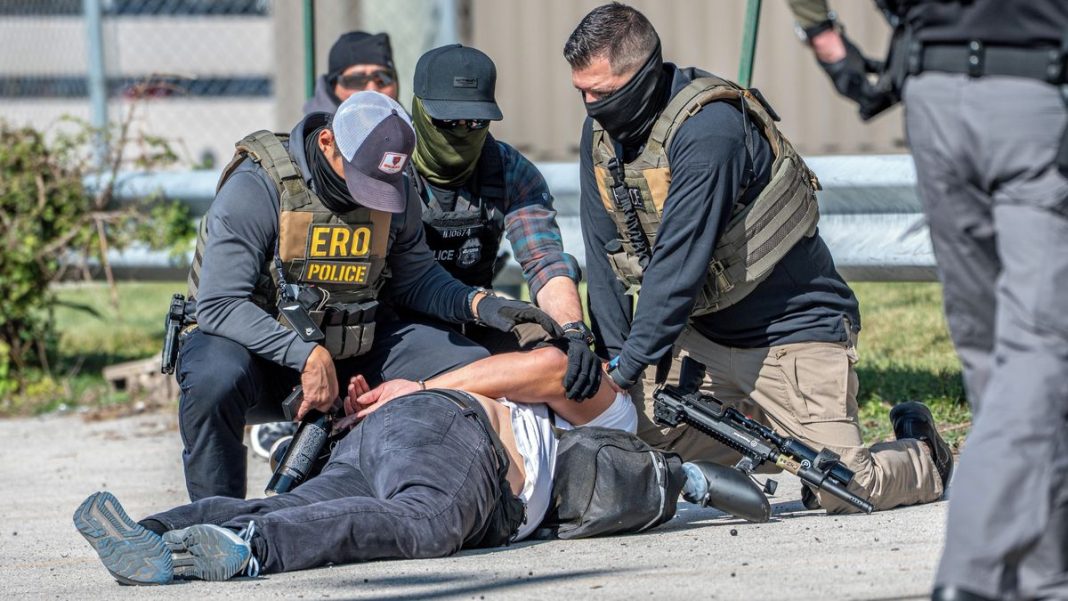

The shooting of a woman by U.S. Immigration and Customs Enforcement (ICE) agents has provoked a strong response from her brothers, who are urging the cessation of Operation Violence, a controversial immigration enforcement strategy. As the debate over immigration policy intensifies, the incident sheds light on the human impact of such operations.
Background of the Incident

The tragic event occurred when ICE agents conducted a raid in an ongoing effort under Operation Violence, a campaign designed to crack down on illegal immigration activities. During the raid, a woman was shot, raising serious questions about the use of force in such operations. The incident quickly gained national attention, prompting widespread condemnation and calls for accountability.
According to reports, the agents were executing a warrant when the encounter turned violent. The circumstances leading to the shooting remain disputed, with witnesses providing varying accounts and officials citing self-defense. This controversy underscores the need for transparency and thorough investigation in law enforcement activities.
Family’s Call for Change

The brothers of the victim have become vocal advocates for the cessation of Operation Violence, arguing that the policy is inherently dangerous and disproportionate. They have been rallying support from community leaders and human rights organizations to pressure authorities into reconsidering the methods used in immigration enforcement.
Highlighting the broader implications of the shooting, the family emphasizes the trauma and fear such operations instill in communities. Their advocacy underscores the necessity of reevaluating policies that prioritize enforcement over humane treatment and protection of rights.
Public Response and Activism

In the wake of the shooting, activist groups have organized protests and demonstrations demanding justice for the victim and accountability from ICE. These protests have drawn significant attention, leading to a public debate on the balance between national security and civil liberties.
Advocates argue that the current approach serves to dehumanize individuals and neglects the systemic issues at the heart of immigration challenges. Calls for reform include ending punitive measures and shifting towards policies that emphasize integration and support for immigrants.
ICE’s Position and Response

ICE has responded to the criticisms by affirming its commitment to enforcing U.S. immigration laws while maintaining that agents are trained to handle challenging situations appropriately. However, the agency faces scrutiny over its protocols, particularly regarding the use of force.
Amidst ongoing investigations, ICE continues to engage with community leaders and stakeholders to address concerns and potentially improve practices. The outcome of these discussions may influence future enforcement strategies and public perception of the agency.
The incident and its aftermath highlight the urgent need for dialogue and reform in immigration policy, reflecting a broader societal demand for fairness and justice within enforcement practices.
Source: Official ICE website.