
In an ambitious move, Brno is set to embark on a transformative urban project, aiming to recreate the bustling essence of Prague’s renowned Wenceslas Square, affectionately known as “Václavák.” However, this development comes amid ongoing discussions regarding the city’s complex train station scenarios, which have been a focal point of urban planning debates.
Brno’s Vision for Its Own Václavák

Brno’s initiative to build a city center resembling Prague’s Václavák marks a significant step in elevating its status as a dynamic urban hub. The project plans to infuse cultural and commercial vibrancy into the heart of Brno, drawing inspiration from the bustling life and diverse offerings of Wenceslas Square. The envisioned square aims to provide a vibrant platform for events, shopping, and community engagements, which are expected to boost the city’s tourism and local economy.
Central to this project is the integration of green spaces and pedestrian-friendly designs that promote sustainability. By including areas for public interaction and leisure, Brno seeks to create a more inclusive and inviting environment. City planners are optimistic that these developments will not only redefine urban living but also strengthen Brno’s cultural identity.
Challenges with the Current Train Station Dilemmas
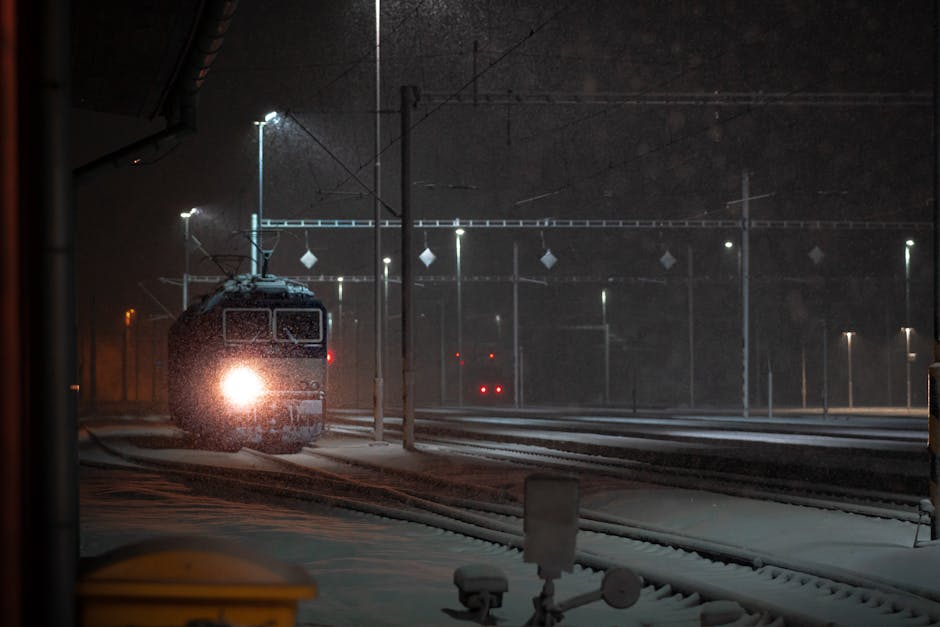
The potential complications surrounding Brno’s train station infrastructure pose significant challenges for the city’s urban development ambitions. The existing dilemmas stem from long-standing debates on whether to maintain the current station location or relocate it. Both options present logistical hurdles and have sparked extensive discussions among city officials and residents.
A key concern is the potential displacement and inconvenience to commuters and businesses during any major relocations or construction works. These factors are critical as they could impact the smooth transition towards the city’s new urban layout, including the proposed Václavák-like square.
Urban Planning and Public Opinion

The public’s opinions on these urban developments reflect diverse perspectives. While many welcome the prospect of a revitalized city center, concerns about the implications for traffic congestion and accessibility have been voiced. Maintaining a balance between preserving Brno’s heritage and encouraging modern urbanization is a delicate task facing city planners.
Officials have sought to engage stakeholders through public forums and consultations to ensure that community insights shape the project’s evolution. Transparency and dialogue remain pivotal in harmonizing the city’s growth with residents’ expectations and needs.
Future Prospects for Brno

The construction of Brno’s equivalent to Wenceslas Square is expected to be a catalyst for further developments across the city, enhancing its allure as a tourist destination and a preferred locale for businesses. By capitalizing on this transformation, Brno is poised to expand its cultural footprint and economic horizons.
The city’s resilience in addressing urban challenges demonstrates a commitment to progressive development. By navigating complexities such as the train station dilemmas, Brno aims to emerge as a model for urban innovation and inclusivity within the region.
As Brno breaks ground on this monumental project, the impact on its landscape, community, and economy will be closely watched, offering insights into the interplay of development and planning within urban settings.