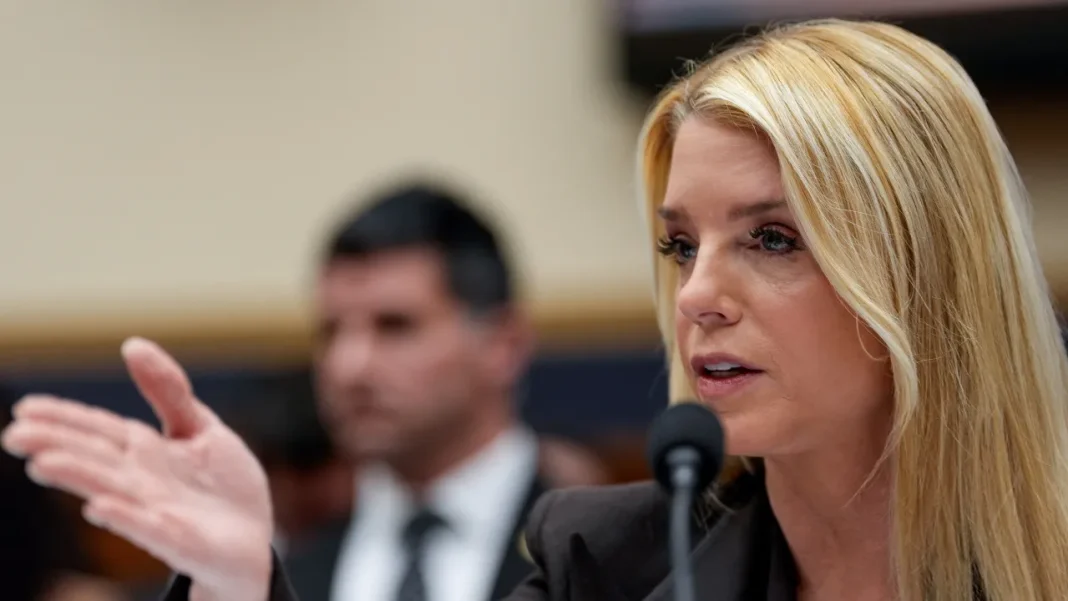

In a tense session at Congress, Bidenová recently drew significant attention by refusing to issue an apology to the victims of Jeffrey Epstein. Her decision has sparked controversy and debate among lawmakers and the public alike, highlighting the complexities of accountability in high-profile cases.
Bidenová’s Stance on Accountability

Bidenová’s refusal to apologize was based on her position that personal apologies from unrelated parties do not contribute to justice for the victims. She argued that emphasis should be placed on legal proceedings and compensations arranged by the courts. This stance has been both praised and criticized, reflecting a broader conflict over the nature of justice and responsibility in cases involving powerful individuals.
Critics argue that an apology could symbolize broader societal recognition and validation of the suffering endured by Epstein’s victims. Yet, Bidenová maintains that the focus should remain on concrete actions rather than symbolic gestures that may not lead to substantive changes.
Reactions from Congress and the Public

Members of Congress expressed mixed feelings regarding Bidenová’s decision. Some lawmakers understand her focus on legal accountability over symbolic actions, while others are concerned that a lack of public remorse could undermine efforts to support the victims. Public opinion similarly varies, with some viewing her stance as a principled adherence to justice, while others see it as a missed opportunity for empathy and recognition.
Public discussion has extended beyond Congress, touching on broader issues of social justice and the role of apologies in healing. Various advocacy groups have also voiced their opinions, emphasizing the need for comprehensive support and emotional validation for the victims.
The Broader Implications for Victims’ Rights

This incident highlights ongoing discussions about victims’ rights and how society addresses harm caused by influential individuals. Advocates call for systemic changes that prioritize both accountability and support, ensuring that victims receive both legal justice and emotional recognition. The debate over symbol versus substance continues to resonate in diverse forums.
Bidenová’s stance also raises questions about how public figures should engage with past abuses of power. Her refusal to apologize touches on deeper issues of privilege, systemic justice, and the responsibilities of public figures in rectifying historical injustices.
Looking Forward: Legal and Social Outcomes

As legal proceedings related to the Epstein case continue, the focus shifts to how effectively the legal system will address the needs and rights of the victims. The dialogue initiated by Bidenová’s refusal to apologize may push for reforms in how cases of abuse are handled, both legally and socially.
Moving forward, stakeholders in justice and advocacy circles may use this incident to galvanize actions that ensure victims’ voices are central in proceedings. It remains to be seen how this will influence policy decisions and public perception in the long term.
The controversy surrounding Bidenová’s decision reinforces the necessity of ongoing dialogue about justice and support for victims of high-profile cases, urging all parties involved to strive for meaningful change.