
In a recent development in Czech politics, former Prime Minister Andrej Babis has proposed delaying reforms to the school meal program, although discussions with his coalition partners are yet to take place. This delay raises questions about the government’s commitment to educational reforms aimed at improving children’s nutrition.
Babis’ Proposal for Delay

Andrej Babis, leader of the ANO party, has suggested postponing the planned reforms in the school meal scheme. The reforms, initially slated to enhance the quality and nutritional value of meals provided in schools, are part of a broader effort to overhaul public education services in the country.
While the specifics of his proposal are yet to be unveiled publicly, his call for a delay comes amid broader discussions within the government on budget allocations and priorities. This proposal could affect tens of thousands of children who rely on school meals as a primary source of daily nutrition.
Babis’ stance is likely influenced by the economic pressures currently faced by the government, as well as potential logistical challenges in implementing the proposed changes on schedule. As the proposal awaits coalition discussions, it is crucial to examine its potential impacts on students’ health and education.
Coalition Partners’ Stance

The coalition government, composed of multiple parties with varying priorities, has been navigating complex issues ranging from healthcare to education. Each party has its perspective on how to balance budget needs with social services reforms, including education.
Details shared by members of the coalition suggest that while there is general consensus on the importance of reforming the school meal system, there are differing opinions on the timing and methods of such reforms. Some coalition partners advocate for immediate changes, highlighting the direct benefits for children’s health and educational outcomes.
Others are more cautious, preferring a delay to ensure that the necessary infrastructure and funding are in place. As debates continue, the coalition’s decision will reflect both fiscal responsibility and the pressing need to address educational inequalities in the country.
Impact on Schools and Families

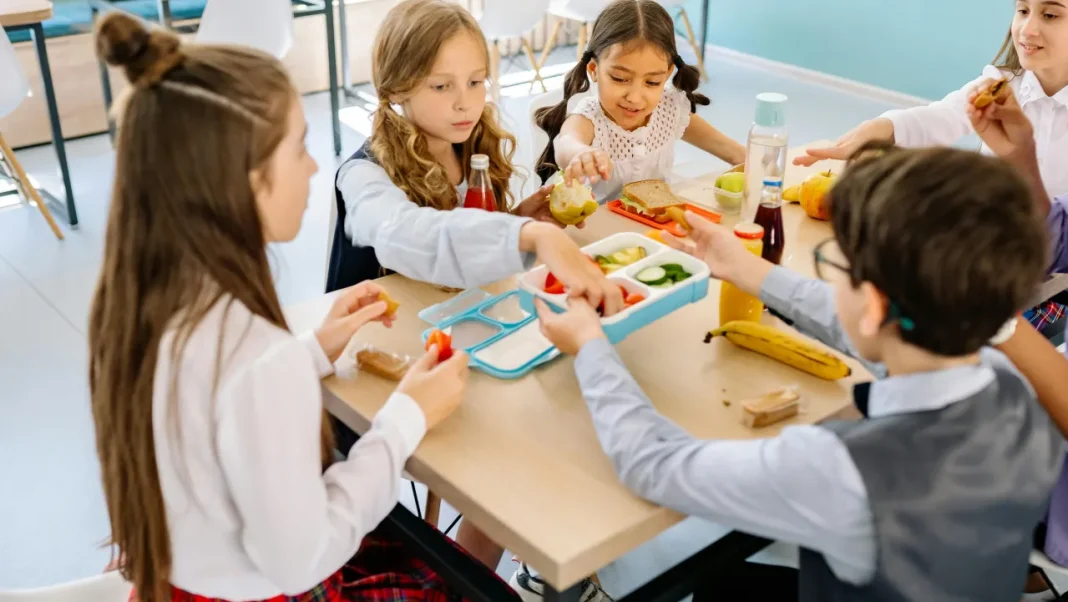
Any delay in the school meal reforms could have significant consequences for schools and families across the Czech Republic. Schools might face challenges in providing consistent and healthy meal options without the planned enhancements, affecting students’ concentration, performance, and overall well-being.
Families, especially those from economically disadvantaged backgrounds, may bear the brunt of these delays. The school meal program is critical in supporting these families by providing nutritious meals that might otherwise be unaffordable.
Educators and parental groups have expressed concerns about the potential postponement, urging the government to prioritize children’s health and education. They argue that investment in students’ nutrition is a direct investment in the country’s future growth and prosperity.
Future of Educational Reforms

The proposal to delay the reforms is just one aspect of broader educational changes being contemplated by the government. Beyond school meals, there are ongoing discussions about curriculum updates, teacher training, and infrastructure improvements.
The success of these reforms will depend on thorough planning, adequate funding, and effective collaboration among various stakeholders, including government officials, educators, and community leaders.
It remains to be seen how the Czech government will resolve the current impasse on school meal reforms, but it underscores the complexities of implementing systemic changes in public education amid financial constraints and political negotiations.
As the debate continues, educators and policymakers are closely watching to ensure that the proposed reforms, whether delayed or not, fulfill their intended purpose of enhancing the educational experience and health of Czech children.