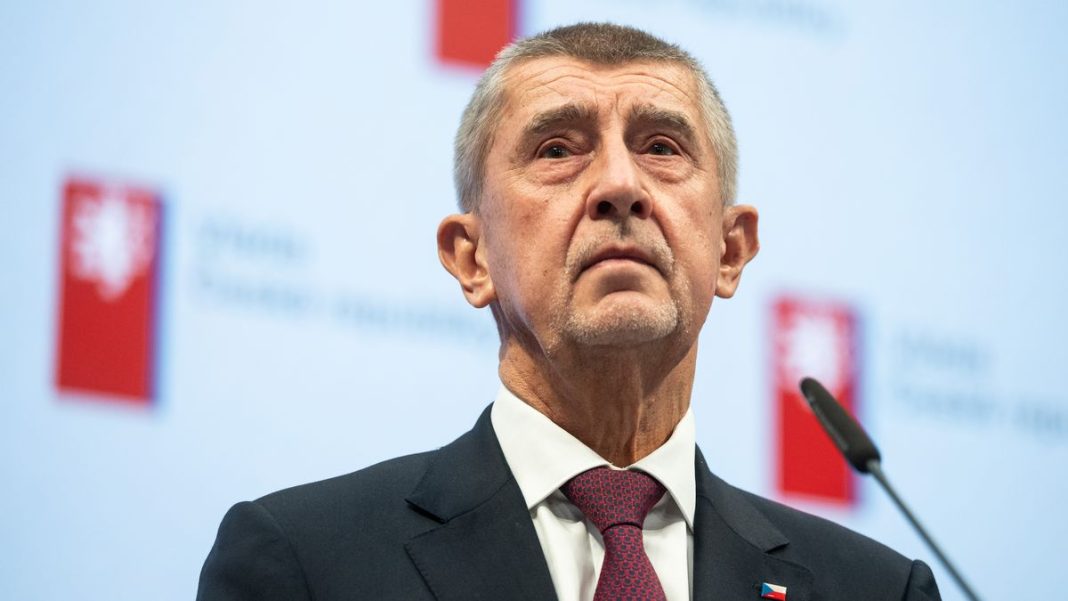

In a recent interview with Czech Television, Andrej Babiš expressed optimism that actions taken by the United States might lead to a restoration of democracy in Venezuela. His comments come amidst ongoing efforts by international powers to influence a resolution in the politically fraught country.
Babiš’s Support for U.S. Actions

Andrej Babiš, the former Prime Minister of the Czech Republic, openly supports the measures employed by the United States to encourage democratic reform in Venezuela. He believes that international pressure spearheaded by the U.S. is crucial in restoring democratic principles to a country that has experienced significant political turmoil. Babiš acknowledges the challenges faced by Venezuelan leaders and emphasizes the importance of external influence in promoting change.
The Czech politician’s statements reflect not only his belief in U.S. strategy but also a broader hope shared by several European leaders that diplomatic and economic pressures can serve as effective tools for change. Babiš pointed out that such efforts must be persistent and well-strategized to yield tangible results.
The Situation in Venezuela

Venezuela has been embroiled in a prolonged political crisis, with contested leadership and economic instability causing widespread hardship among its citizens. Various international entities have attempted to mediate and support democratic institutions, but successes have been limited. Sanctions and diplomatic isolation are among the tools employed by foreign governments to push for a change in leadership.
The support from figures like Babiš underscores the global concern regarding Venezuela’s direction and future. The collapse of the country’s once prosperous economy has resulted in severe shortages of essential goods, influencing a mass exodus of Venezuelans seeking refuge in neighboring nations.
Impacts on Czech Foreign Policy

Babiš’s endorsement of the U.S. approach has implications for Czech foreign policy, marking a clear alignment with Western strategies concerning Venezuela. This stance is consistent with the Czech Republic’s broader foreign policy objectives, which often emphasize democratic governance and human rights.
Babiš’s views might also reflect the Czech Republic’s historical experiences with authoritarianism, influencing its leaders to advocate for democratic practices abroad. While his tenure as Prime Minister is over, Babiš continues to be an influential voice in shaping the country’s international posture.
Challenges and Opportunities

Efforts to bring democracy to Venezuela face significant obstacles, including entrenched power structures and contrasting international agendas. Nonetheless, experts argue that continued diplomatic engagement combined with targeted economic measures could eventually create the conditions necessary for political change.
While some critics question the effectiveness of external pressure, proponents, including Babiš, argue that a coordinated global effort remains the best hope for fostering a return to democratic governance in Venezuela. Encouraging cooperation among international stakeholders is seen as vital to this strategy.
Andrej Babiš’s expressions of hope for Venezuela underscore a widespread desire for democratic stability in the region, reflecting not only the Czech Republic’s views but also those of many countries worldwide.