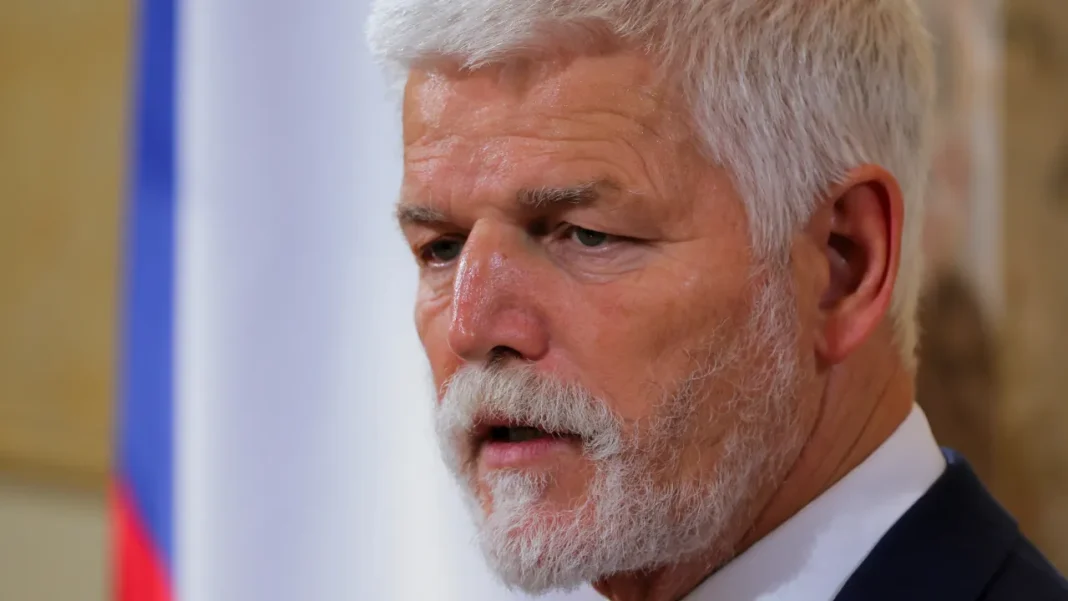

In a recent development, former Prime Minister Andrej Babiš has labeled the debate over the L-159 aircraft as contrived, directing criticism toward President Petr Pavel’s methods in addressing the issue during his campaign. This unfolds amid complex political dynamics in the Czech Republic.
Pivotal Aircraft Dispute

The controversy surrounding the L-159 light combat aircraft has taken center stage in Czech politics. Allegations have arisen questioning the necessity and effectiveness of these jets, as well as the financial implications of their acquisition. Babiš has been vocal about his skepticism, suggesting that the debate is being artificially inflated. He argues that such matters should be approached with a focus on practical needs and strategic benefits rather than political agendas.
These aircraft, produced by Aero Vodochody, have been part of Czech defense discussions for years, often resurfacing in political debates. Babiš’s condemnation of the current discourse aims to bring attention to what he perceives as a diversion from more pressing national concerns.
Presidential Campaign Under Scrutiny

In his critique, Babiš targeted President Petr Pavel’s campaign strategies, accusing him of exploiting the L-159 discussion to garner public support and distract from other crucial policy areas. Babiš suggests that such tactics undermine the integrity of political discourse, potentially alienating voters who seek substantive policy debate.
President Pavel, a retired general, rose to power with strong credentials in defense and security, which puts him in a unique position regarding military issues like the L-159. Despite this, Babiš insists that the campaign focus should remain on broader national interests rather than tactical electoral maneuvers.
Implications for Czech Defense Policy

The debate over the L-159 also raises significant questions about the future direction of Czech defense policy. While Babiš calls for a pragmatic and needs-based approach, others argue for modernizing the country’s military infrastructure to meet evolving security challenges. This ongoing debate could shape future procurement policies and military strategies in Czechia.
These discussions occur within the larger context of Europe’s security environment, where countries are reevaluating their defense commitments in response to changing geopolitical threats. The L-159 aircraft, therefore, becomes a symbol of broader policy decisions awaiting the Czech government.
Political Repercussions and Public Perception

The public’s perception of this dispute, fueled by political rhetoric, could influence upcoming elections and the political landscape. Babiš, by bringing attention to this issue, is potentially rallying support from those who view the defense narrative as a politically motivated distraction.
The ongoing discourse highlights the delicate balance politicians must maintain between addressing critical defense needs and avoiding politicization of military discussions. How the Czech public and other political leaders respond will likely impact the trajectory of national policy in the near future.
As the debate continues, Babiš remains steadfast in his criticism, potentially reshaping the broader narrative around defense topics and political priorities in Czechia.