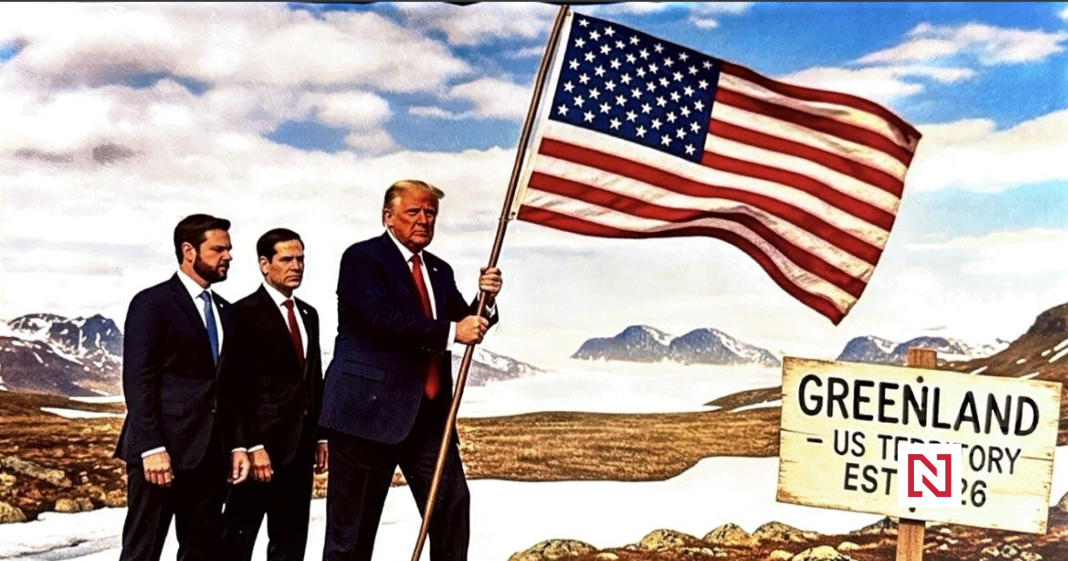

The question of whether we are unprepared and losing the battle in various global challenges has been a growing concern. From climate change to geopolitical tensions and public health, the world faces numerous battles that demand immediate and decisive action.
Understanding the Battles Ahead

The battles we face today range from environmental issues to growing geopolitical tensions. Climate change, for instance, continues to pose significant threats to our planet, manifesting through extreme weather events and rising sea levels. Furthermore, geopolitical tensions have increased the risk of conflict, impacting global stability. Without coordinated global efforts, these issues could exacerbate, leading to dire consequences.
Another critical domain is public health, especially after experiencing the repercussions of the COVID-19 pandemic. The pandemic has highlighted the fractures within our global health systems, making it imperative to rethink preparedness and response mechanisms to prevent future crises.
Current Strategies and Their Shortcomings

Despite the acknowledgment of these issues, the strategies in place to combat them often fall short. In the area of climate change, for instance, while international agreements like the Paris Agreement set ambitious goals, actual implementation often lags behind due to political and economic barriers. Many countries struggle to balance economic growth with environmental conservation, leading to inadequate action.
Regarding geopolitics, diplomatic efforts are often slow and ineffective in managing tensions. The lack of coherent international policies and cooperation can exacerbate conflicts, making it difficult to achieve lasting peace. Similarly, the global health response has been criticized for its uneven distribution of resources, particularly regarding vaccine dissemination during the pandemic.
Can We Change Course?
To change course, it is essential to adopt a multi-faceted approach that encourages innovation and global cooperation. Enhancing climate resilience requires implementing sustainable practices and investing in renewable energy sources. Countries must commit to reducing carbon footprints while addressing socio-economic disparities to ensure equitable progress.
In the realm of geopolitics, strengthening international relations and dialogue is crucial. Building trust and fostering collaborations between nations can reduce tensions and lead to more effective resolutions. Similarly, reforming global health systems to ensure equitable access and preparedness can mitigate future health crises.
The Role of Awareness and Education

Raising awareness and education plays a pivotal role in driving change. Public engagement through education can foster a deeper understanding of these complex issues, encouraging people to adopt more sustainable practices and advocate for meaningful policies. Moreover, empowering individuals with the knowledge to make informed decisions can contribute significantly to collective efforts.
Educational initiatives that emphasize critical thinking and innovation can inspire the next generation to develop solutions that address the world’s pressing challenges. Collaboration between governments, educational institutions, and private sectors can ensure that resources are effectively utilized to build a more resilient future.
In conclusion, while the battles facing our world may seem daunting, our ability to change course relies on collective action, innovative approaches, and an unwavering commitment to sustainable development and global cooperation.