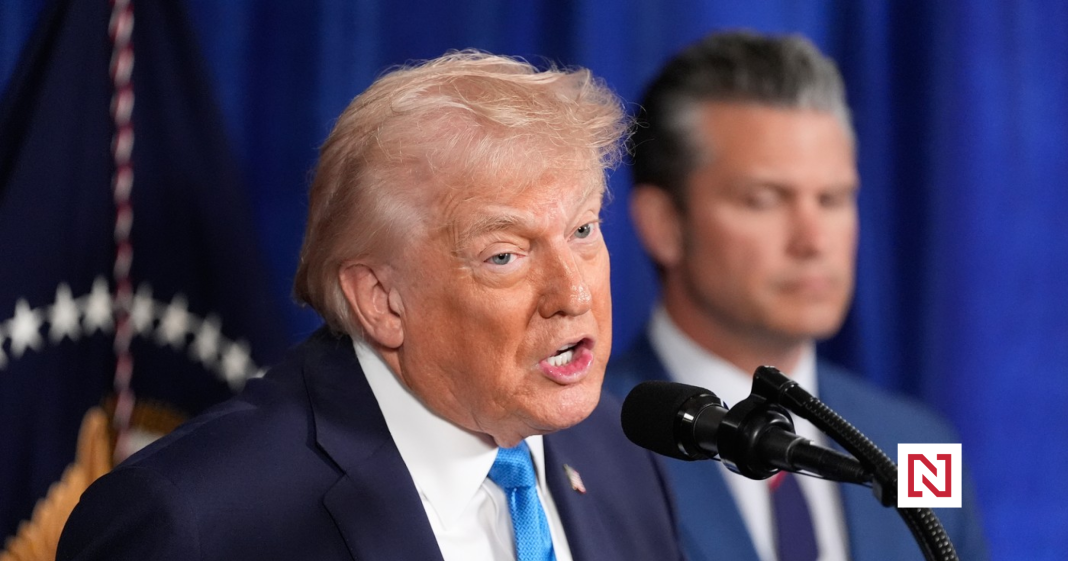

In a political move that has sparked significant controversy, former U.S. President Donald Trump has reportedly turned to a key figure associated with the Maduro regime in Venezuela. This unexpected collaboration raises several critical questions about Trump’s future political strategies and the international implications.
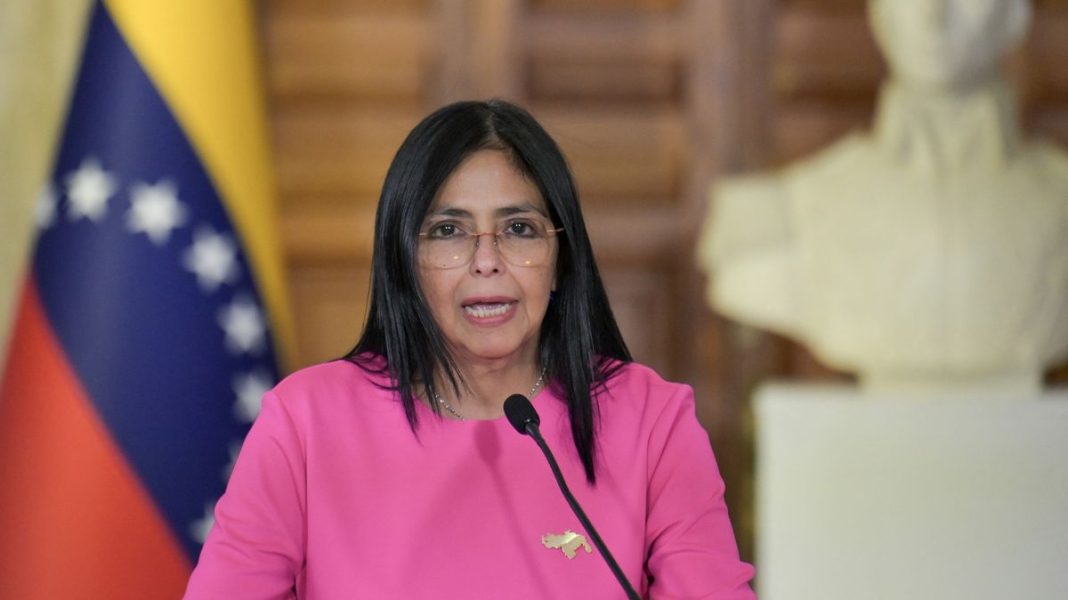
The Key Figure: Delcy Rodríguez

Delcy Rodríguez, a high-ranking official within Nicolás Maduro’s administration, has been a prominent figure in Venezuelan politics. Known for her strong opposition to foreign interference, Rodríguez has played a pivotal role in maintaining the current regime’s grip on power. Her political maneuvers have often positioned her as a critical defender against international sanctions and diplomatic pressures targeted at Venezuela’s government. Her inclusion in Trump’s strategies could suggest a broader geopolitical game at play.
While the specifics of Rodríguez’s role within Trump’s strategy remain speculative, the association itself is noteworthy. Given her expertise in navigating sanctions and advocating at international forums, Rodríguez’s insights could prove strategically advantageous for Trump, especially in addressing diplomacy-related challenges.
Trump’s Renewed Political Ambitions

Trump’s decision to align with such a controversial figure indicates a potential recalibration of his political ambitions. Since leaving office, Trump has been vocal about his desire to influence U.S. policies significantly. By associating with Rodríguez, he may be seeking to leverage her experience in diplomatic negotiations and sanctions management, signaling an intention to broaden his international political impact.
This alliance could be seen as part of a larger effort to reignite his political base with bold and unconventional strategies. Trump’s willingness to engage with figures previously considered adversarial hints at a broader, possibly more disruptive approach to his political comeback.
Implications for U.S.-Venezuela Relations

The alignment between Trump and Rodríguez could have rippling effects on U.S.-Venezuela relations. Historically fraught with tension, these relations have seen various diplomatic shifts depending on U.S. administrative stances and international policy goals. Should Rodríguez assume an advisory role in Trump’s strategies, it could lead to unforeseen diplomatic dynamics, possibly affecting bilateral trade and sanctions.
Such a development might also influence perceptions of U.S. foreign policy coherence, especially if this partnership influences public opinion or future administrative decisions. The broader implications for international allies, who have maintained strict sanctions on Venezuela, could also be significant.
Public and Political Reactions

The collaboration has elicited diverse reactions both domestically and internationally. Critics argue that this association with a regime figure contradicts traditional U.S. stances on Venezuelan governance and undermines efforts to pressure the Maduro administration towards democratic reforms. However, supporters may view this as Trump’s strategic ingenuity, aiming to bring fresh perspectives to entrenched geopolitical conflicts.
In the U.S., political analysts are closely monitoring Republican responses as this move might polarize support within the party. International coalitions interested in Venezuelan affairs are similarly poised to assess potential shifts in diplomatic strategy.
The alliance between Trump and Rodríguez sets the stage for complex political shifts, challenging existing paradigms and prompting reevaluations of previous diplomatic stances. How this partnership will unfold remains a crucial question in international relations.