
The U.S. government’s strategy to combat drug cartels has sparked intense debate both domestically and internationally. The initiative aims to dismantle these powerful criminal organizations, but its aggressive approach has been met with criticism and concern.
The Origins of the Strategy

The “War on Cartels” was born out of a growing frustration with the escalating drug crisis in the United States. Influenced by ongoing challenges in controlling narcotics distribution, the government launched a comprehensive plan focused on targeting cartel leaders and their networks. This approach, while seen as necessary by some, has faced scrutiny for its intense and potentially hazardous tactics.
The strategy drew inspiration from past anti-drug campaigns, notably the “War on Drugs” initiated in the 1980s. However, the current plan is distinct in its ambitious goal to “eliminate all” cartels, a phrase that has stirred significant controversy. Critics argue that such a sweeping objective ignores the complex socio-economic factors underlying the drug trade.
Controversial Tactics

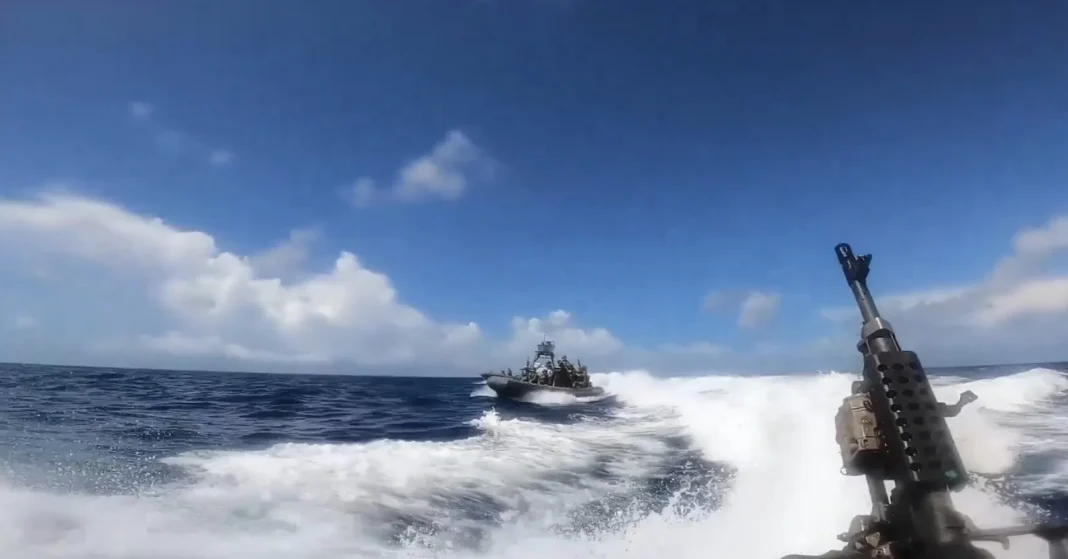
One of the most debated elements of this strategy is its reliance on military-style operations. By deploying advanced technologies and special units, the U.S. aims to disrupt cartel activities efficiently. However, this militarized approach has raised ethical concerns regarding sovereignty and the potential for collateral damage, particularly when operations extend beyond U.S. borders.
International reactions have been mixed, with some nations expressing support while others caution against overreach. The diplomatic implications of these actions are significant, as they may strain relationships with countries where cartels have substantial influence.
Impact on U.S.-Mexico Relations

The focus on drug cartels has significant ramifications for U.S.-Mexico relations. Mexico, a primary battleground in this effort, has stressed the need for collaboration rather than unilateral action. The Mexican government advocates for joint strategies that include addressing root causes such as poverty and corruption.
Additionally, Mexico has expressed concerns over the sovereignty issue, highlighting that cross-border operations could violate international law. This tension complicates an already delicate diplomatic relationship, necessitating careful navigation to maintain a cooperative stance.
Public Opinion and Criticism

Within the United States, public opinion on the strategy is divided. While some Americans approve of the aggressive stance, believing it necessary to combat the growing drug problem, others criticize it for potentially exacerbating violence and instability in affected regions.
Human rights organizations have been vocal in their opposition, arguing that the strategy overlooks humanitarian concerns. They have called for a focus on safeguarding civilians and providing support for communities impacted by cartel activities.
The Future of Anti-Cartel Efforts

The success of the “War on Cartels” will depend on a balanced approach that integrates law enforcement, international cooperation, and socio-economic initiatives. Experts suggest that to achieve lasting results, policies must evolve to address not only the symptoms but also the underlying causes of cartel proliferation.
Ultimately, the strategy’s outcome will be measured not only by the dismantling of criminal empires but also by the long-term stability and safety of affected regions. The U.S. government will need to remain adaptable and responsive to ongoing challenges as it seeks to refine its approach.
Source: Official U.S. government website.




