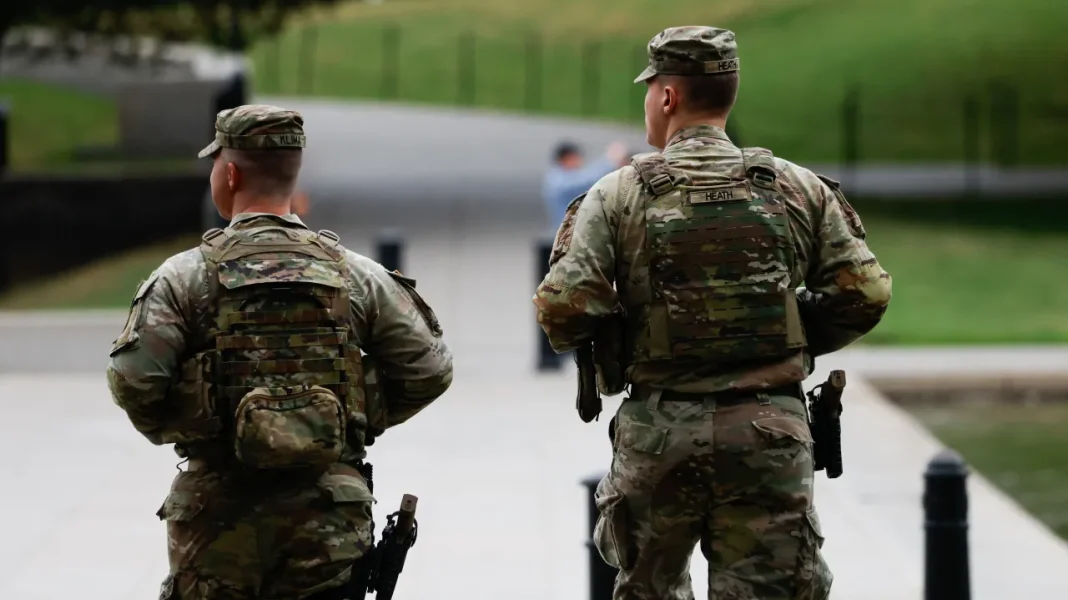

An Afghan suspect recently made headlines after denying involvement in the shooting of a White House guard. The case has captured public attention, highlighting the complex issues surrounding security and international relations.
Details of the Incident

The shooting occurred under circumstances that remain under investigation, with the Afghan suspect maintaining his innocence. According to court documents, the guard was injured in the incident, raising concerns about White House security protocols. Officials have stated that the response to the incident was immediate and involved multiple law enforcement agencies.
The accused has been identified, but due to ongoing proceedings, further details about his background and potential motives have not been released. The situation has prompted discussions about the threat levels faced by security personnel and the measures in place to protect high-profile sites.
The trial process is expected to be thorough, as investigators continue to gather evidence and testimonies from witnesses present during the shooting. The outcome of the trial will likely influence future security strategies at national landmarks.
Legal Proceedings and Defense

The suspect has secured legal representation and plans a strong defense, arguing against his alleged involvement. In court, his legal team emphasized the lack of concrete evidence linking him directly to the crime. This stance could complicate the prosecutor’s efforts to establish a clear motive and opportunity.
Legal analysts following the case have commented on the potential challenges in proving the suspect’s guilt beyond reasonable doubt. The case may also explore broader legal issues, such as the rights of foreign nationals in the U.S. judicial system.
As the trial unfolds, both sides are expected to call upon expert witnesses and present detailed forensic reports. Media interest remains high, with many attending the hearings to report on the developments.
International Implications

This case could have significant implications for U.S.-Afghan relations, especially if diplomatic avenues are employed to resolve or mitigate the situation. While the U.S. government has not officially commented on the broader political ramifications, some experts suggest it may impact future diplomatic negotiations and security collaborations.
The case highlights the delicate balance that must be maintained in international diplomacy, especially when legal issues cross national lines. Observers are watching closely to see how this situation might influence future legal and diplomatic protocols.
Human rights organizations have urged transparency in the legal process, advocating for fair treatment of the suspect while respecting due process. Their involvement underscores the global interest in justice and legal fairness.
Security Measures and Future Outlook

The incident has prompted security reviews at important governmental sites, including the White House. Authorities are considering enhancements to existing measures to prevent similar incidents in the future. This could include advanced technological systems and increased security personnel.
Experts in the field of national security suggest that this incident serves as a wake-up call to reassess risk evaluation at high-security locations. Additionally, training protocols for security staff might see revisions to better prepare them for diverse threat scenarios.
The broader conversation about security has engaged lawmakers and security advisors in discussions about potential policy changes. The focus is not only on immediate safety but also on ensuring long-term strategies that address evolving threats.
The ongoing legal proceedings and their outcomes will set a precedent in handling such high-profile cases, impacting both national security measures and international diplomatic practices.