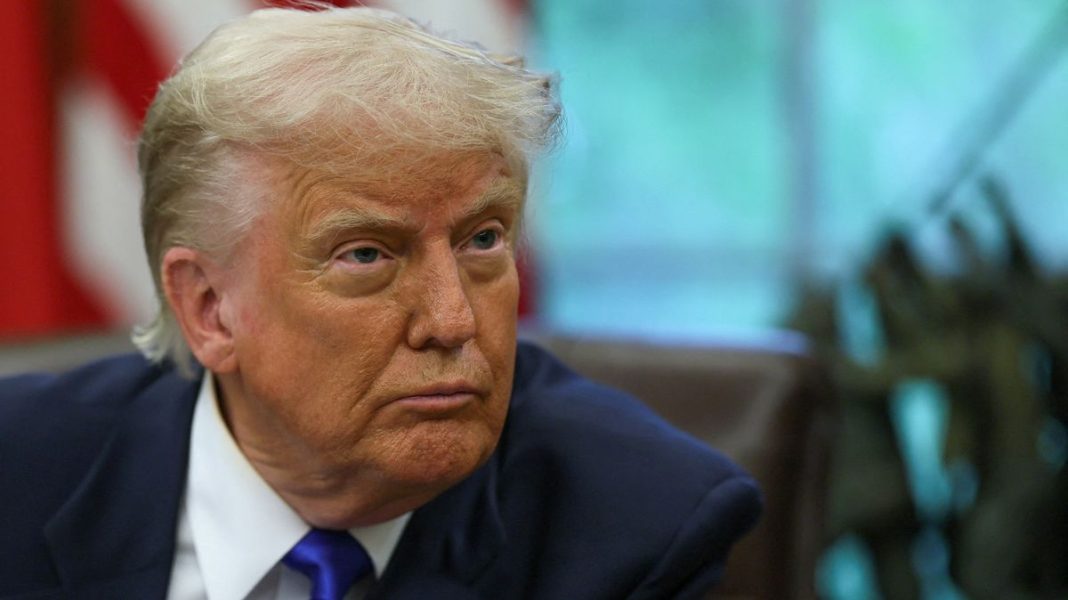

In a significant political development, five Republican lawmakers have taken a stand against former President Donald Trump by backing a measure aimed at preventing future attacks similar to the assault on the U.S. Capitol on January 6, 2021. This move highlights the ongoing tension within the Republican Party as members navigate their allegiance to Trump.
A Strong Stance Against Partisan Lines

The measure, which seeks to address vulnerabilities in the electoral process and increase security measures, has become a focal point for bipartisan cooperation. By supporting this initiative, these five Republicans are stepping away from the dominant narrative within their party and focusing on safeguarding democratic principles. The effort marks a crucial moment for the Republicans involved, as they advocate for measures ensuring the integrity and safety of future elections.
One of the primary concerns addressed in the measure is the prevention of attempts to overturn legitimate election results. The events of January 6 exposed significant gaps in the system, prompting lawmakers to seek solutions that deter similar actions in the future. The support from these Republican representatives indicates a willingness to prioritize national security over party loyalty.
Impact on the Republican Party

The decision by these Republicans to support the measure has sparked varied reactions within the party. Some members view this as a necessary step towards healing and progress, while others see it as a betrayal of party unity. This division mirrors the broader challenges facing the Republican Party as it grapples with its identity and future direction in the post-Trump era.
For these five lawmakers, the decision could have potential electoral repercussions. In contrast, their actions might also attract support from moderate voters who are concerned about the influence of extremist factions within the party. The balance between maintaining core Republican values and addressing the internal conflict is delicate and ongoing.
Legislative Efforts and Challenges

The measure has outlined specific suggestions to enhance election security, including increased funding for security measures at polling stations and tightened regulations on electoral procedures. However, passing such legislation is not without challenges, as partisan tensions can hinder any bipartisan legislative effort.
While there is broader public support for ensuring the integrity of the electoral process, achieving legislative success requires careful negotiation and compromise. The willingness of these Republicans to break ranks may inspire other lawmakers to consider similar bipartisan efforts, potentially leading to meaningful reforms.
Public Reaction and Future Implications

Public reaction to the measure has been mixed, reflecting the polarization prevalent in American politics today. Some see the decision as a courageous stand against extremism, while others criticize it as an unnecessary departure from party principles. This divide illustrates the complexities involved in addressing such a contentious issue.
Looking ahead, the actions of these five Republicans could set a precedent for future legislative endeavors aimed at fortifying democratic institutions. Their choice may encourage other party members to evaluate their priorities and the long-term goals of both the party and the nation.
The support of these Republican lawmakers for the measure to prevent future attacks marks a significant moment in American politics, symbolizing a potential shift towards protecting democratic values over partisan allegiance.
Source: Official [entity name] website.