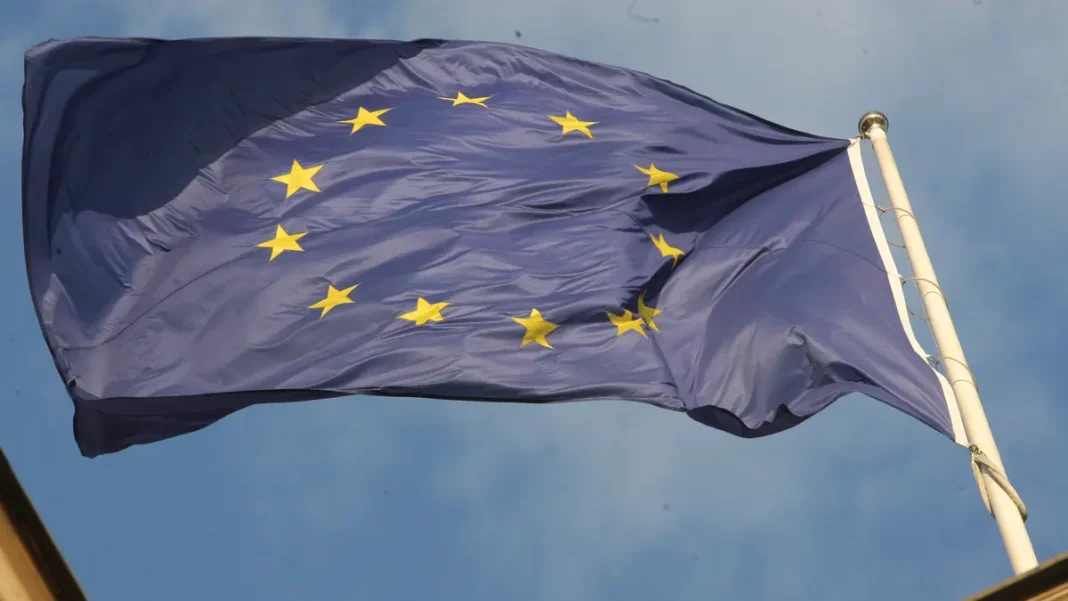

In a bid to stabilize the situation in Venezuela, 26 EU countries have collectively urged for de-escalation and a peaceful resolution. Notably absent from this call for peace is Hungary, raising questions across the political landscape of the European Union.
The EU’s Unified Stance on Venezuela
The situation in Venezuela has been a matter of international concern, and the European Union has taken a firm stand. In an effort to contribute to global stability, 26 member countries have come together to advocate for de-escalation and encourage dialogue between opposing factions in Venezuela. The EU has consistently pushed for a peaceful resolution, focusing on the restoration of democracy and the protection of human rights.
Despite political divisions within the EU, a collective voice has emerged, expressing a shared responsibility towards international peace and stability. The ongoing humanitarian crisis in Venezuela has been emphasized, with calls to ensure the distribution of aid to affected populations remaining a priority for these nations.
Hungary’s Absence from the Consensus

Hungary’s decision to abstain from joining the other 26 EU countries in their call for peaceful resolution in Venezuela has sparked curiosity and debate. This move aligns with Hungary’s recent history of diverging from EU consensus on various international issues. Budapest has often prioritized national interests and diplomatic strategies that sometimes contrast with those of the broader EU body.
The absence from the joint statement could be perceived as indicative of Hungary’s distinct foreign policy stance, which favors independent decision-making over collective EU action. Analysts suggest that Hungary’s diplomatic and economic interests might have influenced its decision to refrain from joining the EU’s collective call.
The Impact on EU Cohesion

Hungary’s divergence poses questions about EU cohesion, especially on foreign policy matters. While the majority of EU countries are aligned on the necessity of a peaceful solution in Venezuela, Hungary’s separate path reflects the complexities and challenges of nurturing a unified foreign policy within the EU.
This situation underscores the delicate balance the EU must maintain to coordinate policy among its member states, each with unique political agendas and economic interests. The effectiveness of the EU’s foreign policy efforts can sometimes be compromised by such divergences, impacting its international influence.
Venezuela’s Ongoing Crisis and Global Reactions

Venezuela’s economic and political crisis has led to significant international concern, with millions of people facing dire economic conditions and human rights abuses. This has prompted various international responses, with the EU being one of the prominent voices calling for resolution and reform.
Global entities, including the United Nations and regional organizations within Latin America, have been striving towards coordinated efforts to ameliorate the situation. The EU’s call for peaceful negotiation is seen as part of a broader international strategy to bring about meaningful change in Venezuela.
The commitment of 26 EU member countries to a unified approach showcases the bloc’s dedication to promoting peace and stability worldwide. However, Hungary’s differing stance highlights the importance of continuous dialogue within the EU to maintain collective action. The situation in Venezuela remains a critical test of international cooperation and diplomacy.