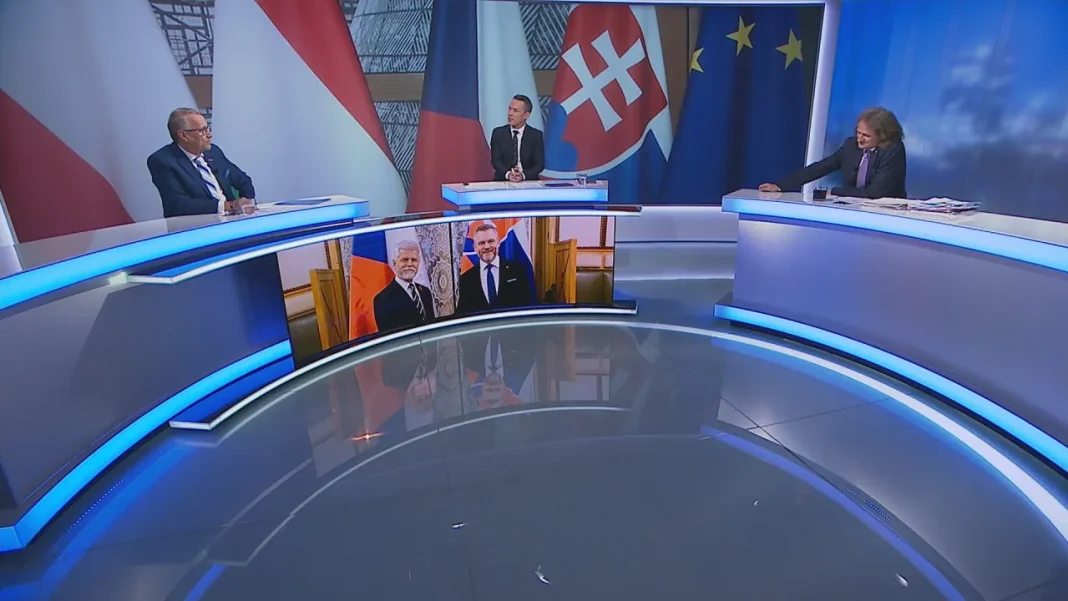

Recent comments by experts highlight the geopolitical shifts in Central Europe, as tensions involving Ukraine continue to influence regional politics. Viktor Orbán’s potential strategy to form an anti-Ukraine coalition and changing dynamics in Poland signify increasing diplomatic complexities.
Orbán’s Strategic Moves

Viktor Orbán, the Hungarian Prime Minister, is reportedly considering forming an alliance with other European nations that share a skeptical view of Ukraine’s current geopolitical stance. This initiative, suggested by analyst Dvořák, seems grounded in Hungary’s strategic interests to foster stronger ties with countries that question the Western alignment with Ukraine.
Orbán’s government has often been criticized for its perceived closeness to Russia and its lukewarm endorsement of EU’s sanctions against Moscow. Establishing an anti-Ukraine trio could further distance Hungary from the EU’s mainstream policies and reinforce its independent foreign agenda.
This proposition highlights Hungary’s persistent balancing act between the EU’s collective stance and its national interests, potentially affecting its relationships within the EU and with neighboring countries.
Changing Dynamics in Poland

As noted by expert Ševčík, Poland’s political landscape is undergoing significant changes, which might influence its position on Russia and Ukraine. Historically, Poland has been one of Ukraine’s staunchest supporters in the EU, urging for strong measures against Russian aggression.
However, internal political shifts potentially affect Poland’s future policies. The nation is experiencing political transitions that could sway its traditional alliances and its stance on Eastern European security matters, primarily as upcoming elections loom and new political leaders emerge.
Any change in Poland’s policy direction could have wide-reaching implications for EU strategies regarding Eastern Europe, especially in maintaining a unified front against Russia’s maneuvers in the region.
Implications for the European Union

These developments pose a challenge to the European Union’s efforts to maintain a coherent foreign policy stance on the Ukraine conflict. Divergent views from member states like Hungary and potentially Poland could weaken the EU’s collective response, making it harder to present a unified front against Russian actions.
The EU has been striving to reconcile the diverse interests of its members, yet Orbán’s potential anti-Ukraine coalition may strain these efforts. The need for cohesive strategies is critical, as division could embolden external threats and undermine the EU’s diplomatic influence.
The ongoing situation underscores the importance of bolstering EU mechanisms for cooperation and dialogue, ensuring that all member states can align on key issues, despite their individual national interests.
Regional Security Concerns

The shifts in alliances and policy decisions have raised concerns regarding regional security in Central and Eastern Europe. The perceived weakening of alliances could potentially encourage more aggressive policies from Russia, affecting stability in the region.
Eastern European countries, particularly the Baltic states, might feel vulnerable if influential neighbors alter their security commitments. Collaborative defense initiatives and assurances remain vital to addressing these apprehensions.
Future negotiations within NATO and the EU will have to consider these shifts to ensure robust defense and diplomatic policies that can effectively counter threats and maintain peace in the region.
The developing political landscape in Central Europe, marked by Orbán’s strategic considerations and Poland’s changing policies, poses significant challenges and opportunities for regional and EU-wide stability and security. As these countries navigate the complexities of international relations, their decisions will shape the future of Europe’s geopolitical fabric.