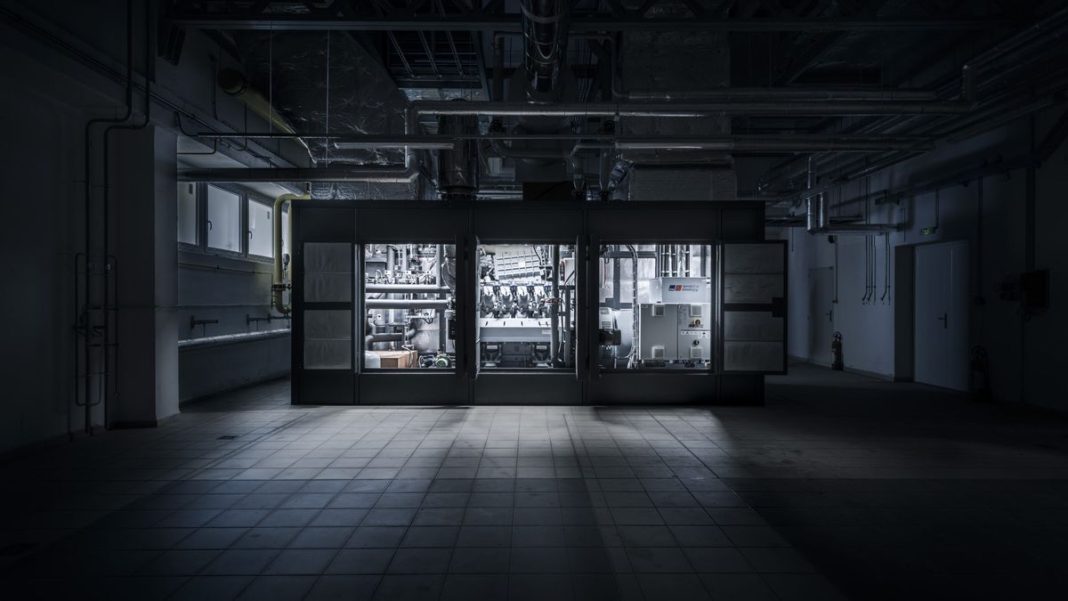

As government support initiatives near their end date, cogeneration manufacturers in Prague and beyond are preparing for a significant surge in demand. These companies anticipate an uptick in interest, driven by the impending cessation of financial aid and the growing appeal of efficient energy solutions.
Government Support for Cogeneration

Cogeneration, also known as combined heat and power (CHP), is an energy-efficient technology that generates electricity and useful thermal energy simultaneously. The Czech government has historically provided substantial support to this sector to encourage sustainable energy practices. However, this support is slated to end soon, sparking urgency among manufacturers and potential buyers who seek to capitalize on the remaining subsidies.
The financial incentives have made cogeneration an attractive option for businesses and municipalities looking to reduce energy costs and carbon footprints. As these incentives phase out, companies are intensifying their efforts to secure equipment and contracts before the benefits disappear.
Market Response to Upcoming Changes

Manufacturers are reporting a noticeable increase in inquiries and orders as businesses rush to upgrade their energy systems. The anticipation of rising post-subsidy costs propels this rush, with many customers eager to lock in current prices and incentives. Companies are optimizing their production schedules and supply chains to meet the anticipated demand spike efficiently.
This surge is not without challenges. Supply chain disruptions and the need for skilled labor to install and maintain cogeneration systems present hurdles. Nevertheless, firms are optimistic about their ability to navigate these challenges, supported by years of experience and technological advancements.
Technological Advancements in Cogeneration

The cogeneration industry is continuously innovating to improve efficiency and reliability. Recent developments include more compact and scalable systems that are easier to install and integrate into existing infrastructure. These advances not only boost the appeal of cogeneration systems but also support the manufacturers’ ability to meet the rising demand swiftly.
Additionally, enhanced digital monitoring and control technologies allow for better system optimization and reduced maintenance needs, making these systems even more attractive to cost-conscious clients. As such technologies develop further, cogeneration is poised to remain a key player in the sustainable energy landscape.
Impact on Energy Sustainability
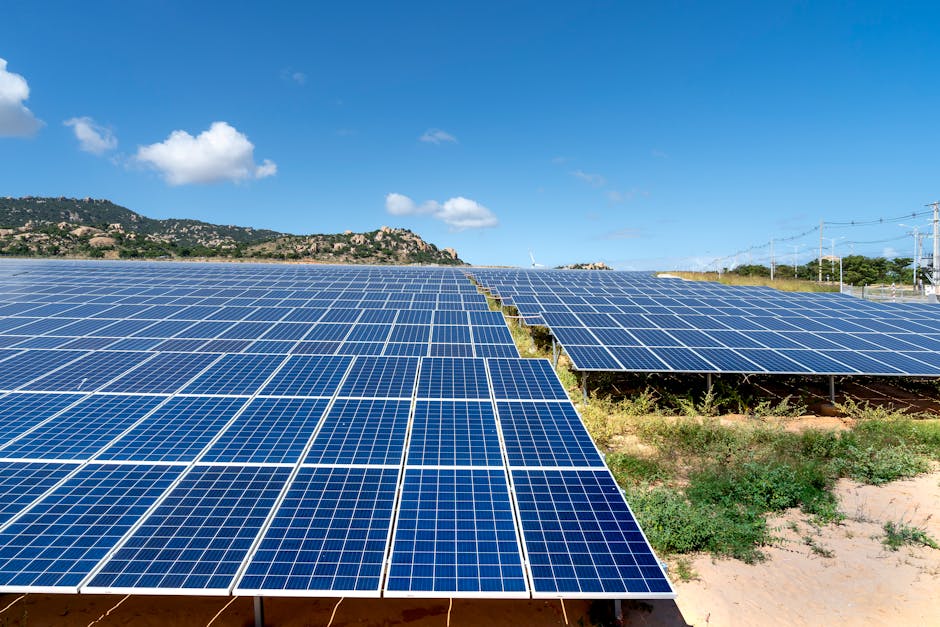
The expected surge in cogeneration system installations has positive implications for energy sustainability in Prague and the broader region. By enabling more efficient energy use and decreasing dependency on conventional power grids, cogeneration supports broader environmental goals and reduces operational costs for businesses.
As more businesses and municipalities adopt these systems, it contributes to a more resilient energy infrastructure capable of meeting future demands. This transition is crucial for a sustainable energy future and aligns with international commitments to reduce carbon emissions.
In anticipation of the end of government support, cogeneration manufacturers are proactively preparing for heightened demand, leveraging technological advancements and strategic planning to navigate upcoming challenges and contribute to a sustainable energy future.
Source: Official Czech Government website.