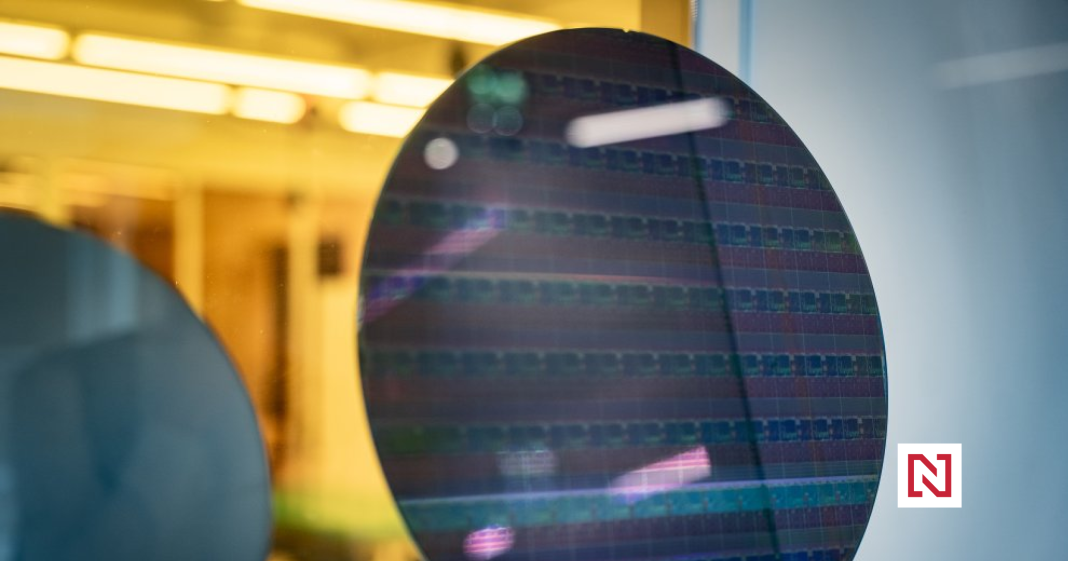

Germany has recently drawn attention by allocating substantial investments into what some may consider “outdated” technology. While this may seem counterintuitive in an era defined by rapid technological advancements, this strategy could reveal its potential significance.
The Rationale Behind the Investment

Germany’s decision to pour billions into older technology stems from a pragmatic understanding of current technological infrastructure. Many industries still rely heavily on established systems, and enhancing these can lead to vast improvements in productivity and reliability. Rather than abandoning them in favor of untested innovations, this investment aims to optimize existing frameworks, ensuring continued support for vital sectors like manufacturing and transportation.
Moreover, these investments highlight an acknowledgment of the transitional nature of technology implementation. While cutting-edge technologies draw significant attention, they often face hurdles related to integration, compatibility, and cost. By focusing on the refinement and augmentation of proven systems, Germany seeks a balanced technological evolution.
Impact on the German Economy

Investments in maintaining and enhancing older technologies are expected to generate substantial economic benefits. These initiatives will likely create numerous job opportunities in modernizing infrastructure, ultimately contributing to economic stability and growth. Additionally, upgrading existing technology could reduce operational costs for businesses, improving competitiveness and market resilience.
The economic strategy also reflects Germany’s commitment to preserving its industrial sector, which still forms the backbone of its economy. By ensuring that these industries have state-of-the-art modifications, Germany is safeguarding its industrial prowess while still setting the stage for future advancements.
Environmental Considerations

A surprising aspect of this focus on older technology is its potential environmental impact. Upgrading existing systems could result in significant energy efficiency improvements, thereby reducing carbon footprints. This approach enables Germany to meet its environmental commitments while avoiding the environmental costs associated with rolling out all-new technology.
Furthermore, the strategy of improving current systems reduces the waste associated with full-scale replacements. By repurposing and optimizing what is already available, Germany showcases a model of sustainable growth compatible with environmental goals.
The Global Technological Landscape
This German strategy has sparked a global discussion on the value of legacy systems. It challenges the prevailing notion that technological progress always necessitates brand-new inventions. Instead, it proposes a conservative but potentially powerful model of innovation that many countries may soon emulate.
Countries worldwide are noticing this approach, and it might influence future investment decisions. As technology continues to advance, the blend of old and new could become a universal strategy, harmonizing innovation with practicality.
In conclusion, Germany’s decision to invest in “outdated” technology may initially appear counterproductive, but it underscores a strategic approach that acknowledges the value of improved continuity. This paradigm could offer a roadmap for sustainable growth while ensuring technological ecosystems remain viable and efficient.