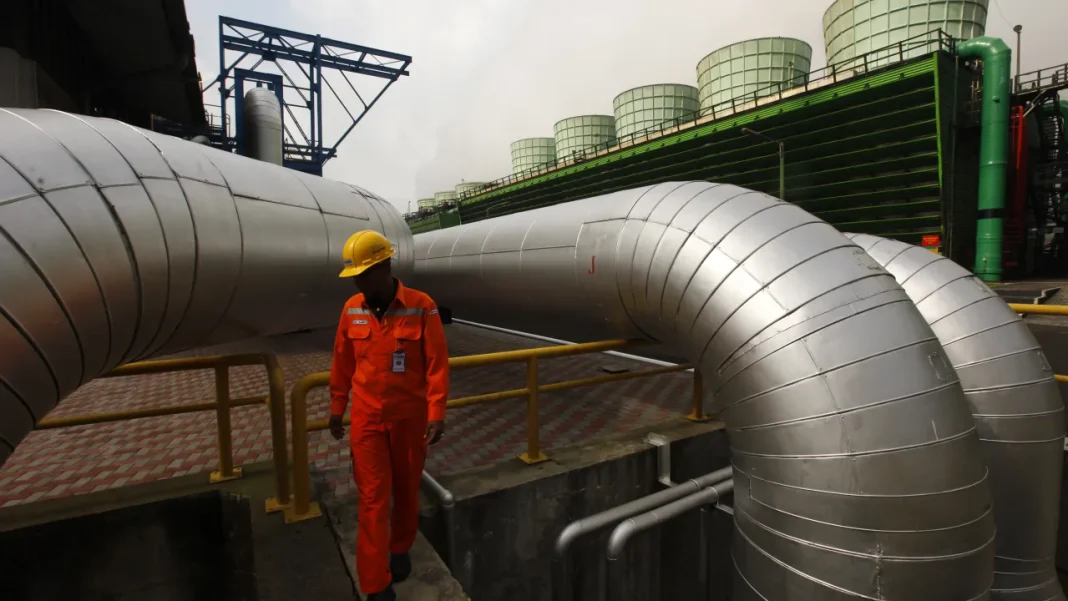

Recent analysis indicates that geothermal energy has the potential to replace a significant portion of coal and gas, providing a cleaner and sustainable energy solution. As the world seeks alternatives to fossil fuels, geothermal energy is emerging as a viable option for meeting future energy needs.
Understanding Geothermal Energy
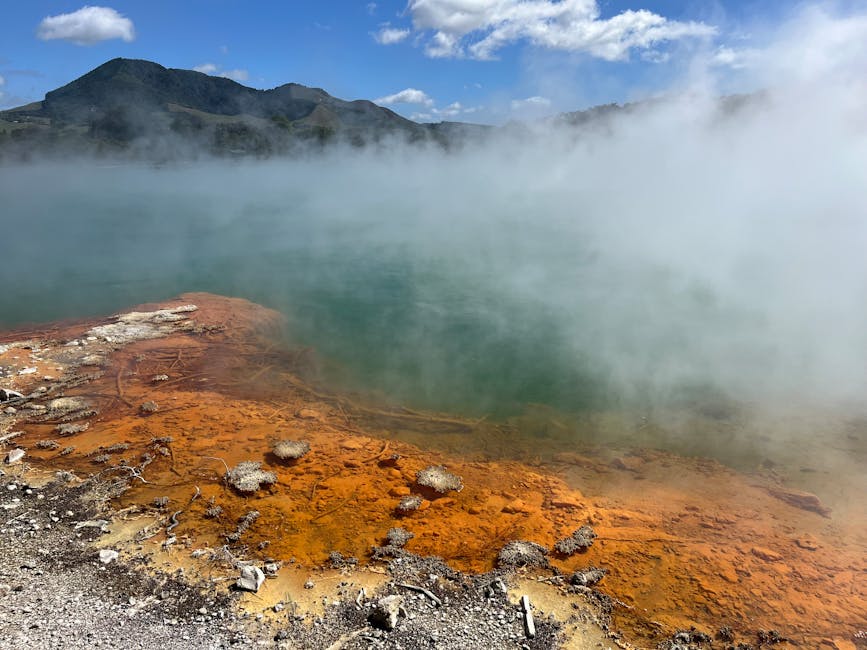
Geothermal energy harnesses the Earth’s internal heat, converting it into electricity and providing direct heating applications. The process involves drilling wells into geothermal reservoirs to access the steam or hot water. This energy source is considered renewable and sustainable, as it relies on the Earth’s natural heat, which is constantly replenished by radioactive decay in the planet’s core.
The benefits of geothermal energy extend beyond sustainability. It offers a constant and reliable energy supply, unlike solar and wind, which are dependent on weather conditions. This consistency makes geothermal energy an attractive alternative to traditional coal and gas power plants, known for their environmental impact and contribution to greenhouse gas emissions.
Global Impact of Transitioning to Geothermal Energy
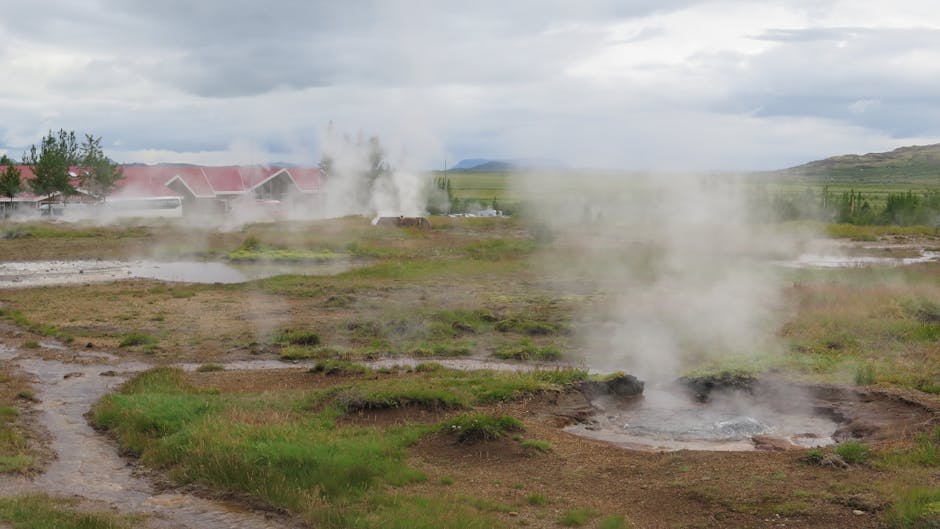
Transitioning from coal and gas to geothermal energy could significantly reduce global carbon emissions. The geothermal industry has the potential to provide a substantial portion of the world’s energy demands, particularly in regions with abundant geothermal resources like Iceland, New Zealand, and the United States.
By diversifying the global energy mix, geothermal energy can help minimize dependency on fossil fuels and enhance energy security. Countries investing in geothermal technologies are not only contributing to environmental preservation but also paving the way for a sustainable future.
Economic Implications of Geothermal Adoption

The shift to geothermal energy could have significant economic implications. Initially, the investment in infrastructure and technology can be substantial, often involving the development of specialized equipment and trained personnel. However, these initial costs are offset by the lower operational costs and long-term energy savings associated with geothermal power.
Moreover, the geothermal industry can stimulate economic growth by creating jobs in engineering, construction, and maintenance. This shift may positively impact regions currently reliant on coal and gas industries, providing new opportunities for economic development and workforce transition.
Challenges and Future Prospects

While geothermal energy presents many advantages, it also faces challenges, such as geographical limitations and high upfront costs. Not all regions have accessible geothermal resources, and the technology required to exploit deeper resources is still developing. Addressing these challenges is crucial for the widespread adoption of geothermal energy.
Despite these hurdles, advancements in drilling technology and enhanced geothermal systems (EGS) have the potential to unlock new resources and increase geothermal energy accessibility. Continued investment and research are vital to overcoming current limitations and realizing geothermal energy’s full potential as a cornerstone of the global energy grid.
Embracing geothermal energy could revolutionize the way we approach energy consumption and environmental sustainability. By reducing reliance on fossil fuels and investing in this renewable resource, the world can take significant steps towards a cleaner, more sustainable future.