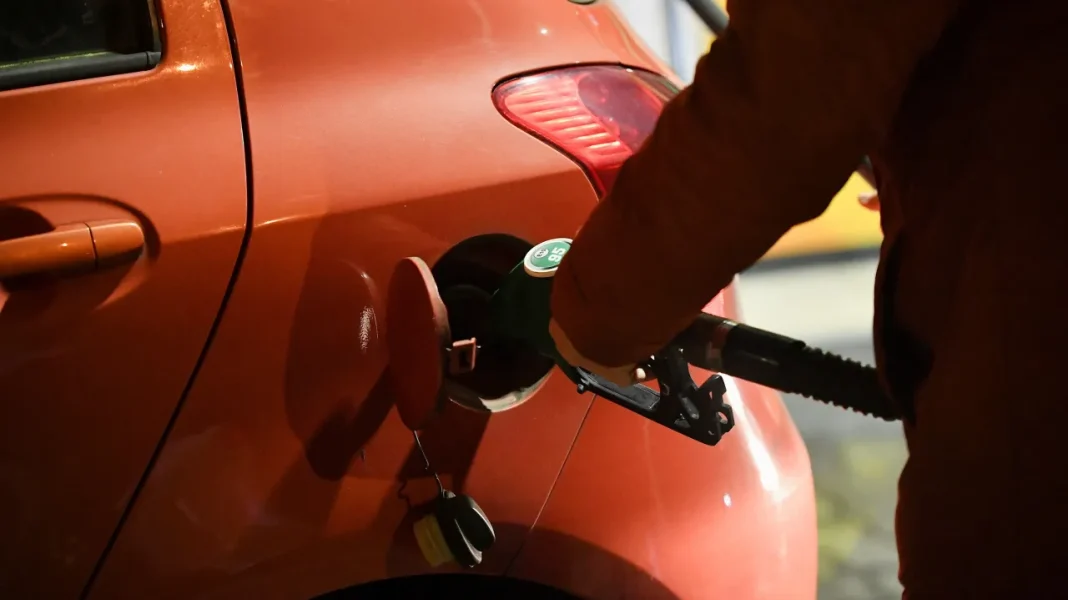

In a significant development for residents and businesses, gas prices in Prague have recently fallen to their lowest levels in over four years. This downward trend comes as a welcome relief amid ongoing economic uncertainties.
Reasons Behind the Price Drop

The decrease in gas prices in Prague can be attributed to several factors, including a reduction in global demand and increased production efficiencies. The European energy market has been fluctuating, partly due to geopolitical tensions and the shift towards renewable energy sources. These elements have converged to create a more favorable pricing environment for consumers in the Czech capital.
The Czech government has also been active in negotiating better trade deals with gas suppliers, further contributing to the reduction in prices. By leveraging its strategic position within Europe, the government has managed to secure more competitive rates, benefiting both households and industries across the nation.
Impact on Prague’s Economy

The drop in gas prices is expected to have a positive ripple effect on Prague’s economy. Lower energy costs reduce operational expenses for businesses, potentially leading to increased investments and job creation. This situation is particularly beneficial for manufacturing sectors heavily reliant on gas, enhancing their competitive edge in both local and international markets.
For consumers, this change alleviates some of the financial strain caused by inflation and rising living costs. Disposable income is likely to see a boost, encouraging increased spending and stimulating economic growth.
Environmental Considerations

While the immediate focus may be on economic relief, there are important environmental considerations as well. The reduction in gas prices does not alter the long-term push towards sustainable energy solutions. Energy experts warn that while lower prices are beneficial in the short term, diversification of energy sources should remain a priority to ensure environmental sustainability.
Efforts continue to integrate more renewable energy sources into the national grid. Initiatives are in place to balance the economic benefits of lower gas prices with the need to reduce carbon emissions and adhere to international climate agreements.
Future Outlook

Looking ahead, it remains uncertain how long these lower gas prices will persist. Experts suggest monitoring geopolitical developments and technological advancements in energy production, which could influence future price trends. Consumer behavior and policy changes towards energy conservation will also play a crucial role in shaping the market landscape.
Prague’s approach to its energy strategy will need to be adaptable, with policies focusing on both economic and environmental outcomes. The challenge will lie in maintaining favorable prices while pushing forward with sustainability goals.
In conclusion, the reduction in gas prices offers a promising period of economic relief for Prague, though it underscores the ongoing complexities of balancing economic and environmental priorities in the energy sector.