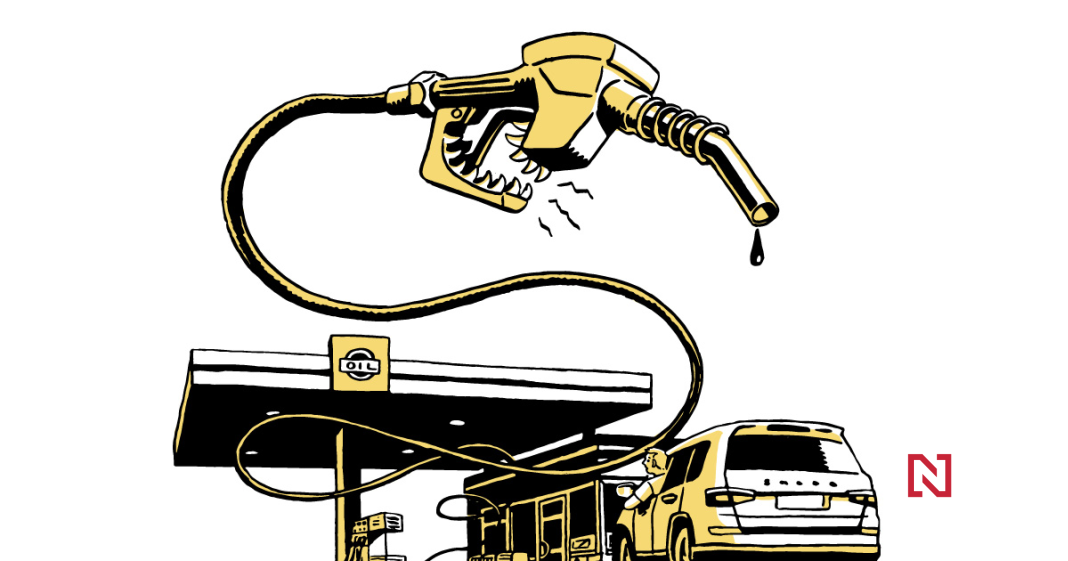

The recent conflict in Iran has sent shockwaves through global oil markets, raising concerns among Czechs about potential increases in fuel prices. With tensions escalating, it’s crucial for consumers to understand the implications and prepare accordingly.
How the Iran Conflict Influences Oil Prices

The geopolitical situation in Iran has a significant impact on oil prices due to the country’s major role as an oil producer. Any instability in the region can trigger fears of supply disruptions, leading to higher prices globally. As Iran controls key strategic shipping routes such as the Strait of Hormuz, through which a substantial portion of the world’s oil is transported, any tension can lead to increased market volatility.
In recent weeks, the conflict has caused oil prices to surge, reflecting the uncertainty in supply chains. This has a direct effect on countries like the Czech Republic, which rely heavily on imported oil. The concern is that prolonged tensions could lead to sustained higher prices at the pump.
When Czechs Will Experience Price Changes

While global oil prices fluctuate rapidly, there’s often a delay before these changes are felt at local gas stations. In Czechia, the timeline for price adjustments can depend on several factors including existing contracts with suppliers and the current inventory levels of fuel retailers.
Experts suggest that Czechs could begin to experience noticeable price increases within weeks if tensions continue. It’s wise for consumers to expect potential hikes and plan their refueling accordingly, perhaps by filling their tanks sooner rather than later.
The Economic Ripple Effect

Higher oil prices extend beyond just fuel costs. They can lead to increased costs in transportation and manufacturing, impacting goods across various sectors. In the Czech Republic, industries such as logistics, agriculture, and food services could see rising operational costs, which may eventually be passed on to consumers.
This potential increase in the cost of living highlights the importance of monitoring geopolitical developments and preparing for possible economic ripple effects. Czech businesses may need to strategize on how to mitigate these impacts to remain competitive.
Strategies for Consumers and Businesses

Consumers can adopt several strategies to cushion themselves against rising fuel prices. Efficient driving habits, carpooling, and using public transport are practical ways to reduce personal fuel expenses. Additionally, exploring alternative energy solutions can offer long-term savings and lessen dependency on traditional fuels.
For businesses, diversifying supply sources and optimizing logistics can help manage increased costs. The use of technology to improve energy efficiency within operations can also provide a buffer against fluctuating fuel prices.
As the situation in Iran unfolds, staying informed about global energy trends and being proactive in planning can help both individuals and businesses navigate these uncertain times. Adjustments in behavior and strategy today can lead to more resilience in the future.