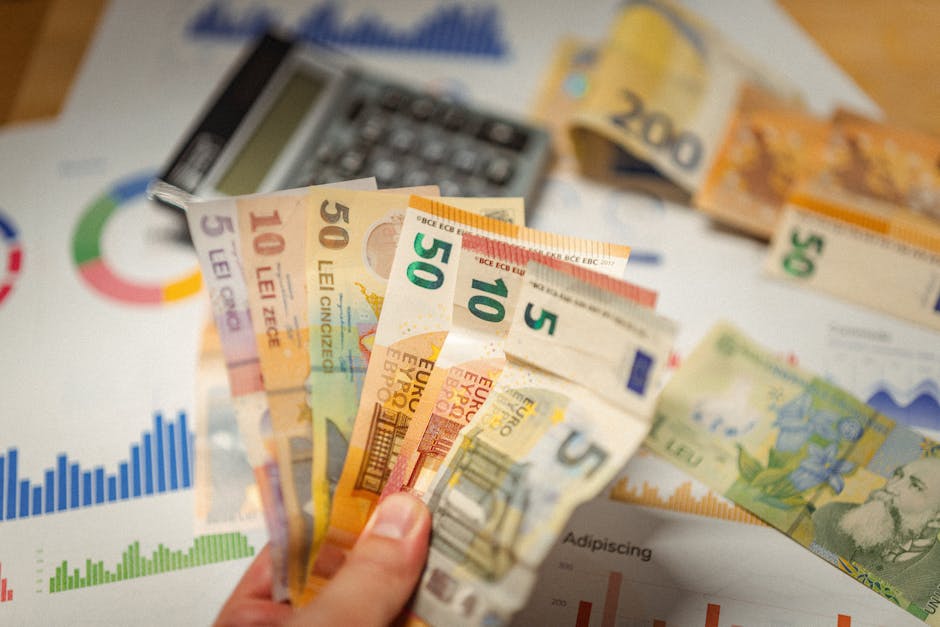

The Eurozone inflation rate unexpectedly rose in November, surprising economists and market analysts who had anticipated a more stable economic outlook. This rise reflects ongoing economic challenges and shifts within the Eurozone, impacting both policymakers and consumers.
Recent Inflation Trends in the Eurozone

The increase in the Eurozone inflation rate has been attributed to several factors, including energy prices and supply chain disruptions. Over the past year, fluctuations in global oil prices have significantly affected the cost of goods and services across the region. These external pressures have compounded local economic challenges, leading to this unanticipated rise.
Additionally, the recent easing of lockdown measures enabled a resurgence in consumer demand. This increased demand has put further strain on already stressed supply chains, leading to higher prices for various consumer goods. Analysts highlight these factors as key contributors to the inflation rate spike observed in November.
Impact on Policy Decisions

The sudden rise in inflation presents a challenge for the European Central Bank (ECB), which has aimed to maintain price stability while supporting economic recovery. With inflation rates climbing, the ECB may face pressure to adjust monetary policies, such as interest rates, to curb inflationary pressures.
Policymakers must balance these adjustments with the need to sustain the recovery from the economic impact of the COVID-19 pandemic. Any changes in policy could have widespread implications for both businesses and consumers within the Eurozone.
Effects on Consumers and Businesses

As inflation rises, consumers across the Eurozone may experience increased living costs, particularly in housing, utilities, and food. This situation is likely to affect overall consumer spending, potentially slowing economic growth if households reduce discretionary expenditure.
Businesses are also dealing with the repercussions of rising inflation. Increased production costs could lead to reduced profit margins, which may ultimately lead to price adjustments for end consumers. Companies may need to reevaluate their supply chains to mitigate these impacts, seeking more stable and predictable cost structures.
Looking Ahead: Economic Outlook

Looking forward, the trajectory of the Eurozone inflation rate remains uncertain. Economists will be closely monitoring indicators such as energy prices, supply chain stability, and consumer demand. These factors will be crucial in predicting whether inflation will continue to rise or stabilize in the coming months.
The ECB and other financial institutions will play a critical role in shaping the economic outlook through their policy decisions. Their ability to effectively manage inflation and support economic growth will be pivotal for the Eurozone’s financial stability.
In conclusion, the unexpected rise in the Eurozone inflation rate in November poses significant challenges both for policymakers and the wider economy. Addressing these challenges requires carefully balanced strategies to ensure long-term economic health and stability.