
Europe’s economic growth has encountered a deceleration in the last quarter, marking a significant change in the region’s financial dynamics. Economists are closely monitoring the factors contributing to this slowdown and its potential impacts on future growth.
Current State of Economic Growth
The latest data indicates that Europe’s GDP growth rate has dropped to its lowest in recent years. This decline is primarily observed in key economies like Germany, France, and Italy, which have faced various challenges, including decreased industrial output and trade tensions. Analysts suggest that the region is grappling with adapting to new economic realities, including a shift in global trade patterns.
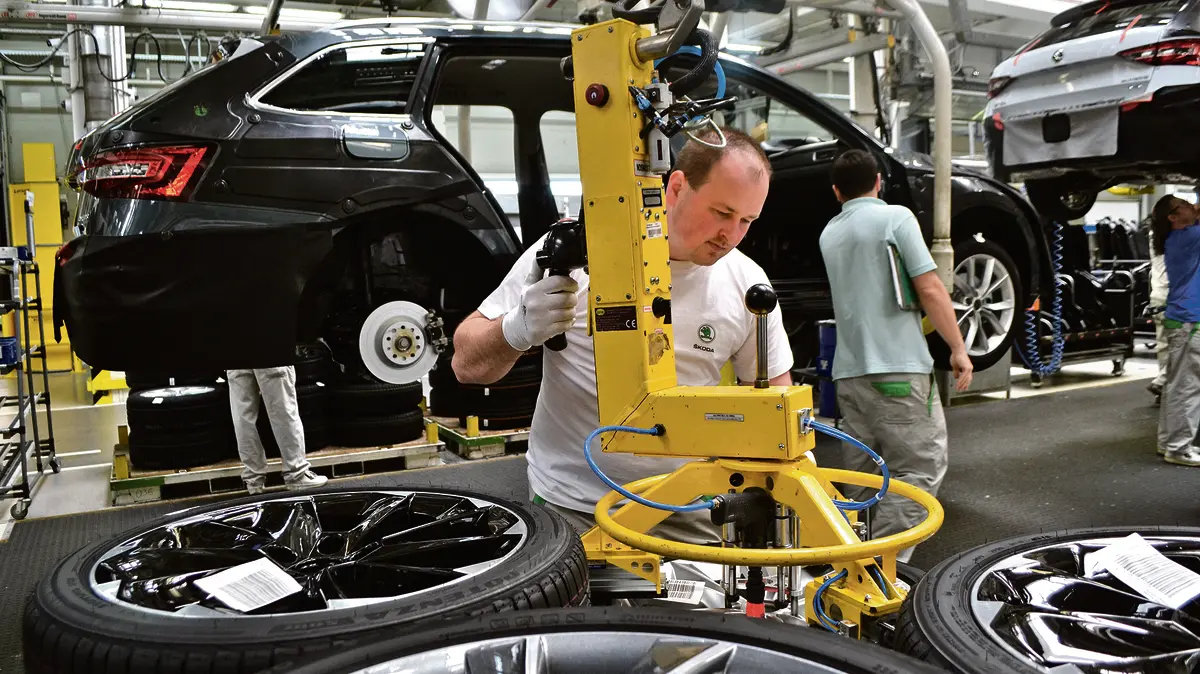
Several sectors, particularly manufacturing and export-oriented industries, have reported weak performance compared to previous quarters. This trend reflects broader global uncertainties that continue to affect business confidence and investment in the region. Nevertheless, some areas such as technology and services have shown resilience, providing a glimmer of optimism amid the downturn.
Contributing Factors

A combination of internal and external factors has contributed to Europe’s sluggish economic performance. Internally, structural issues such as labor market rigidity and subdued consumer demand have played significant roles. The region’s dependency on exports also makes it vulnerable to global trade fluctuations and geopolitical tensions, particularly ongoing issues like Brexit.
Externally, the impact of the pandemic continues to linger, creating supply chain disruptions that hinder economic activities. The energy crisis, compounded by the conflict in Ukraine, has added further strain on economies reliant on imported energy, affecting both production costs and consumer prices. These challenges have fueled inflationary pressures across the continent.
Policy Responses and Outlook

In response to slowing growth, European policymakers are exploring various fiscal and monetary measures. The European Central Bank (ECB) has indicated a commitment to controlling inflation while supporting economic recovery through carefully calibrated interest rates. Meanwhile, national governments are implementing targeted fiscal policies to stimulate demand and boost employment.
Despite current setbacks, the long-term outlook remains cautiously optimistic. Efforts to diversify energy sources and invest in sustainable technologies could pave the way for more resilient economic growth. Additionally, the implementation of the European Green Deal aims to transform the region into a competitive low-carbon economy, which could create new opportunities for innovation and jobs.
Implications for Businesses and Consumers

The economic slowdown presents both challenges and opportunities for businesses across Europe. Companies are urged to adopt agile strategies, focusing on innovation and efficiency to navigate the uncertain economic landscape. Businesses that successfully adapt to changing consumer preferences and technological advancements may emerge more robust from this corrective phase.
Consumers, on the other hand, might experience a period of cautious spending due to concerns over inflation and economic uncertainty. The reduced disposable income could impact demand for non-essential goods and services. However, certain sectors such as e-commerce and digital services might continue to thrive, driven by shifts in consumer behavior accelerated by the pandemic.
In conclusion, while Europe’s economic growth has slowed in the last quarter, the situation presents an opportunity for reflection and strategic adjustment. Policymakers and businesses alike must adopt forward-thinking approaches to navigate these challenges and prepare for a promising future.