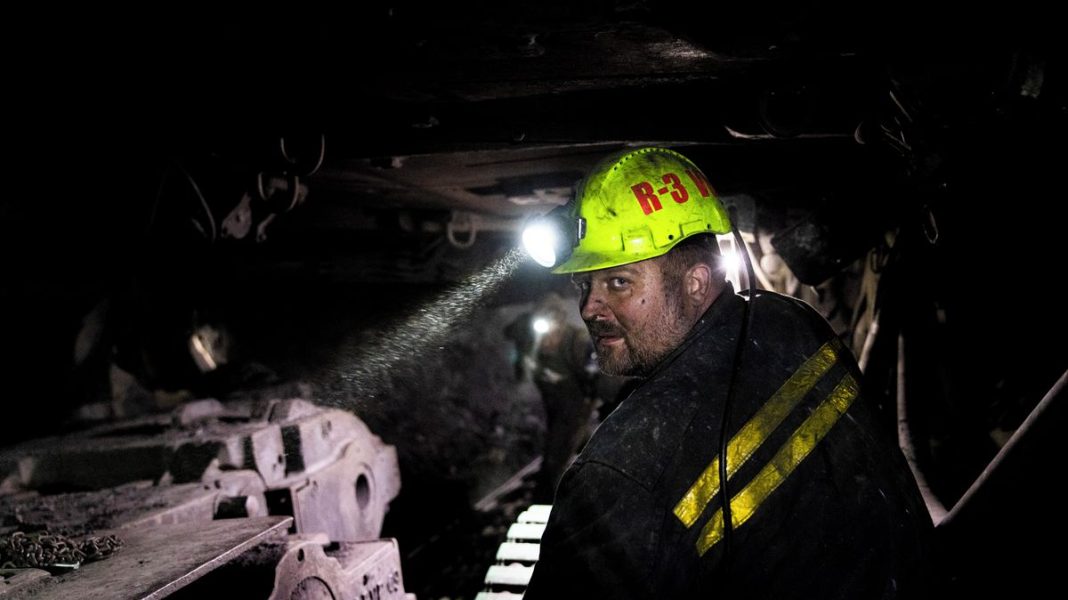

In a significant shift for the mining industry, several mines are set to be sealed indefinitely, marking an end to their operations. Once closed, these sites will no longer be accessible for future mining activities.
The Decision to Close Mines

The closure of these mines results from a confluence of economic, environmental, and regulatory factors. With market conditions making mining less profitable and increased emphasis on sustainable practices, companies are moving to halt operations. This decision aligns with global trends where industries are increasingly scrutinized for their environmental impact.
The economic viability of maintaining these mines has also dwindled. As demand for certain minerals fluctuates and extraction costs rise, operators find it challenging to justify continued investment. This culmination of factors necessitates the end of operations, impacting workers and local economies reliant on the industry.
Impact on Local Communities

The closure of mines naturally brings significant changes to local communities. In many areas, mining is a major source of employment, and these closures could lead to economic downturns if alternative employment opportunities aren’t developed. It’s vital for regional policy-makers to collaborate with industry leaders to implement transition programs that facilitate workforce re-training and diversification.
Furthermore, the cessation of mining activities can affect local suppliers and businesses that provide services and goods to the mining industry. Communities might witness a decline in local commerce, necessitating a strategic approach to economic revitalization and development.
Environmental Considerations

The end of mining activities presents a prime opportunity for environmental restoration and rehabilitation of former mining sites. Companies are expected to comply with rehabilitation regulations, ensuring that areas previously affected by mining are restored to a natural or beneficial state.
These efforts may include soil rehabilitation, reforestation, and ensuring the safety of any remaining infrastructure. Ensuring environmental health in these regions is crucial to protect local ecosystems and uphold commitments to sustainability.
Future Prospects in the Mining Landscape

As mining activities conclude, there is potential for alternative industries to emerge, capitalizing on the existing infrastructure and workforce skills. Renewable energy projects, especially solar and wind farms, could find an ideal setting in these large expanses of land.
Innovation in technology could also pave the way for new methods of resource extraction or site rehabilitation, further demonstrating that while traditional mining may be ending, new industries could rise in its place. The emphasis will be on sustainable and responsible development moving forward.
The closure of these mines marks a pivotal turn in the evolution of the mining industry and its socio-economic impact. Strategic planning is crucial to navigate the transition smoothly.
Source: Official mining industry website.