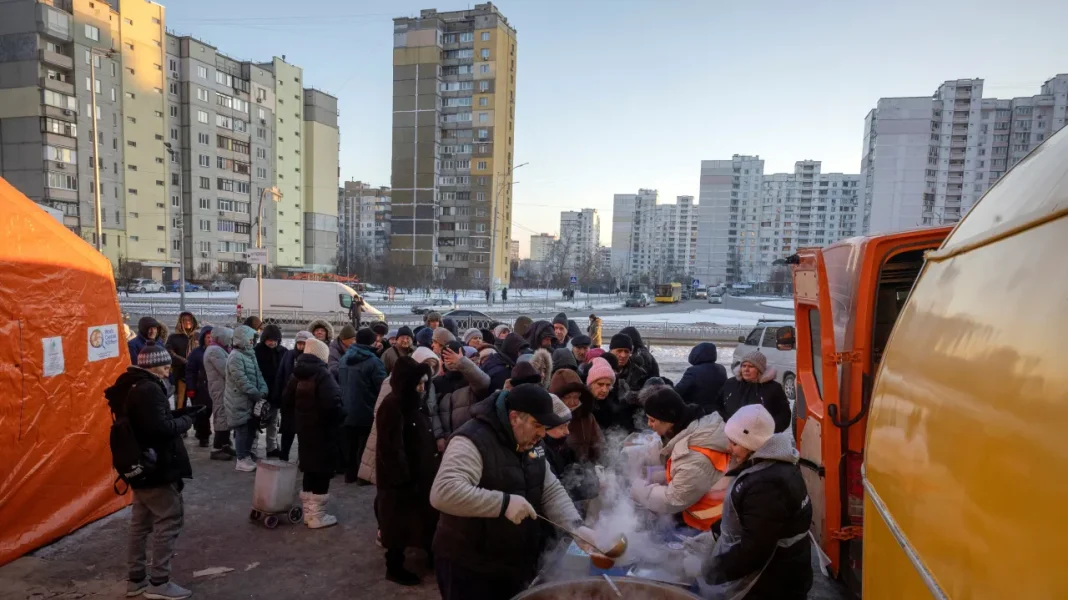

Residents of Kyiv are bracing for a challenging winter due to the ongoing energy crisis. Over a thousand high-rise buildings in the Ukrainian capital are expected to endure several months without reliable heating, raising significant concerns over public health and safety.
Impact on Residents

This heating crisis in Kyiv is expected to affect thousands of families, creating a harsh living environment during the winter months. With temperatures in Ukraine often plunging below freezing, heat is not just a comfort but a necessity for survival. The lack of heating could lead to an increase in illnesses as residents attempt to cope with the severe cold. Vulnerable populations, including the elderly and young children, are particularly at risk.
Kyiv’s municipal authorities are urging residents to prepare for the cold by seeking alternative heating methods, such as electric heaters or insulated blankets. However, the city’s infrastructure is not equipped to handle the additional electrical load these devices would require, compounding the crisis.
Causes of the Heating Shortfall

The heating shortage can be attributed to a combination of political and technical issues. Ongoing conflicts and economic struggles have disrupted the supply of natural gas, the primary source of heating in many regions. Repair and maintenance activities on heating infrastructures have also suffered due to funding cuts and logistical challenges.
Efforts to strengthen the energy infrastructure have been in progress, but the current economic constraints and global energy markets’ volatility have made immediate solutions difficult. Kyiv’s government is working with international partners to seek medium and long-term solutions to these energy woes.
Government Response and Measures

The government of Ukraine has been actively seeking support from international entities to address this heating crisis. Efforts include negotiating with energy suppliers and exploring alternative energy imports to cushion the impact on affected residents. The city administration is also considering the option of converting some systems to rely on renewable energy sources, but these changes are not feasible in the short term.
To reduce the immediate burden, temporary shelters and public centers with heating facilities are being set up to provide a refuge for those most affected. Local NGOs and community groups are also stepping in to distribute warm clothing and blankets to those in need.
International Support and Aid
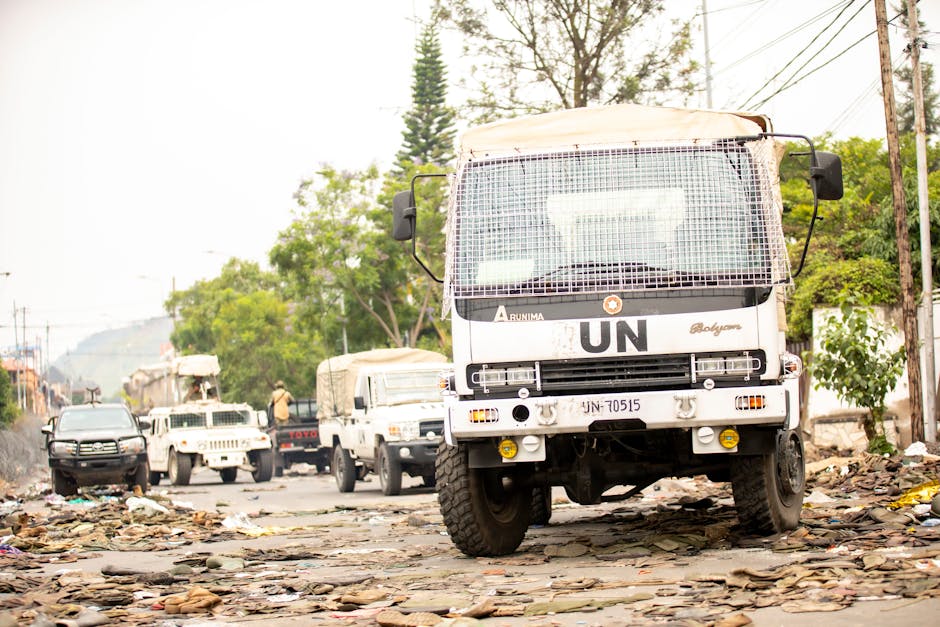
Globally, there is a concerted effort to provide assistance to Ukraine in the form of financial aid, energy resources, and humanitarian support. European partners, in particular, have expressed their willingness to help alleviate the crisis by providing emergency supplies and technical expertise.
There is hope that this international support will not only address the current crisis but also contribute to long-term energy security solutions for Ukraine. By investing in infrastructure upgrades and diversification of energy sources, Ukraine aims to prevent such crises in future winters.
The plight of Kyiv’s residents is a reminder of the broader implications of energy security and the importance of robust infrastructures. Immediate relief measures are crucial, but they must be coupled with strategic planning to ensure sustainable energy solutions in the coming years.
Source: Official Kyiv City Administration website.