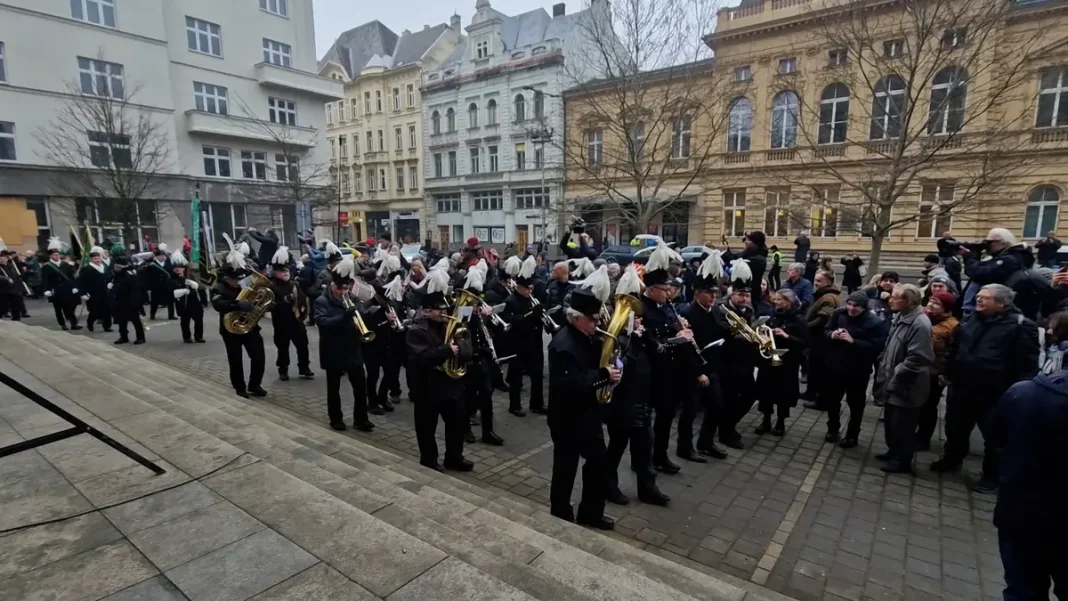

The city of Ostrava experienced an emotional day as miners paraded through the streets, marking the symbolic closure of a key chapter in Czech coal mining history. This procession not only signified the end of an era but also reflected on the economic and cultural impacts that coal mining has had on the region.
The Historical Significance of Coal Mining in Czechia
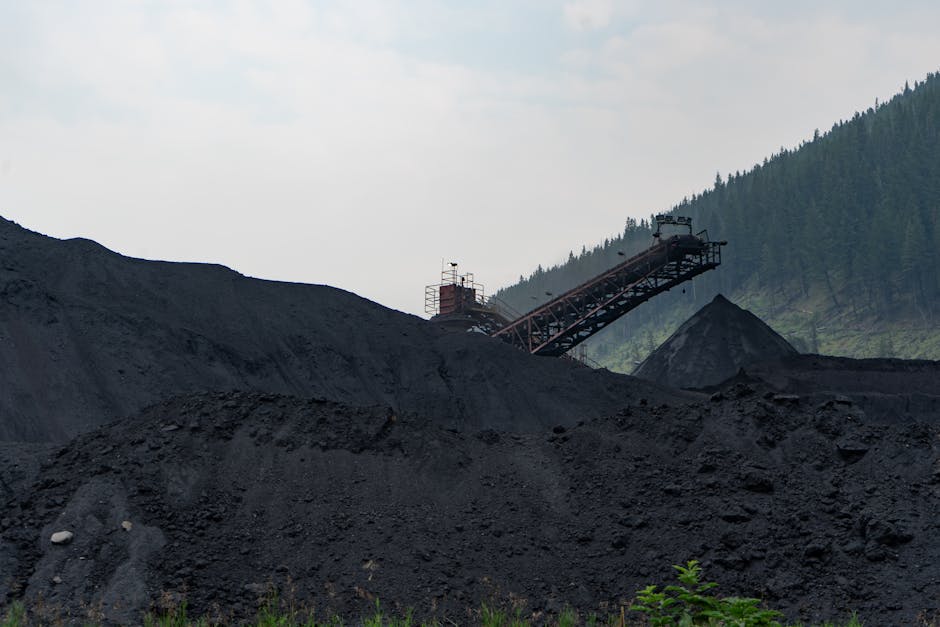
Coal mining has been a cornerstone of the Czech economy for over a century, with Ostrava serving as one of its most significant hubs. The industry fueled not only industrial growth but also shaped the identity of the region. Known as the “steel heart” of the republic, Ostrava stands as a testament to the industrial prowess of past generations. However, the decline in coal demand and increasing environmental concerns heralded the end of this once-vibrant industry.
Historically, miners have been regarded as some of the most hard-working and resilient members of society. The closure of mines is not just a shift in industry but a poignant cultural moment that affects thousands who have dedicated their lives to this labor-intensive work. As the procession coursed through the city streets, it symbolized a collective farewell to a bygone era.
The Emotional Impact on Local Communities

For the residents of Ostrava, the end of coal mining is deeply personal. Many families have ties spanning generations to the mining industry, and the closure represents not just the loss of jobs but also a significant alteration to their heritage. The procession served as a moment of reflection and mourning for a way of life now relegated to the history books.
Local communities have been preparing for this transition; however, the emotional weight remains hefty. Stories of camaraderie and shared hardships among miners are common, creating a bond that is not easily forgotten. The ceremony was a way for many to honor those connections and bid farewell to an industry that, for so long, defined their existence.
Future Prospects for Ostrava

With the cessation of coal mining, Ostrava faces the challenge of reinventing itself. The transition is already underway, with efforts in place to diversify the economy and focus on sustainable and innovative industries. Plans to revitalize the city by turning old mining sites into cultural and technological hubs hope to attract new businesses and tourism.
Economic diversification coupled with environmentally-friendly initiatives aims to create new job opportunities. Educational programs are also being developed to equip the local workforce with skills necessary for emerging industries, promising a more sustainable and prosperous future for Ostrava.
The Environmental Implications

Ending coal mining in Ostrava not only has social and economic ramifications but also significant environmental implications. For decades, mining has contributed to pollution in the region, affecting both air and water quality. With the closure, there is an opportunity for environmental rehabilitation.
Efforts are already being made to restore damaged ecosystems and improve the overall health of the area. Such initiatives are crucial for the long-term sustainability of Ostrava, ensuring that future generations inherit a cleaner, greener environment.
The procession in Ostrava did more than mark the end of coal mining in Czechia; it was a reflection on the past and a hopeful glance towards the future. As the region pivots towards new opportunities, the legacy of its mining history will remain in the heart of its people.
Source: Official City of Ostrava website.