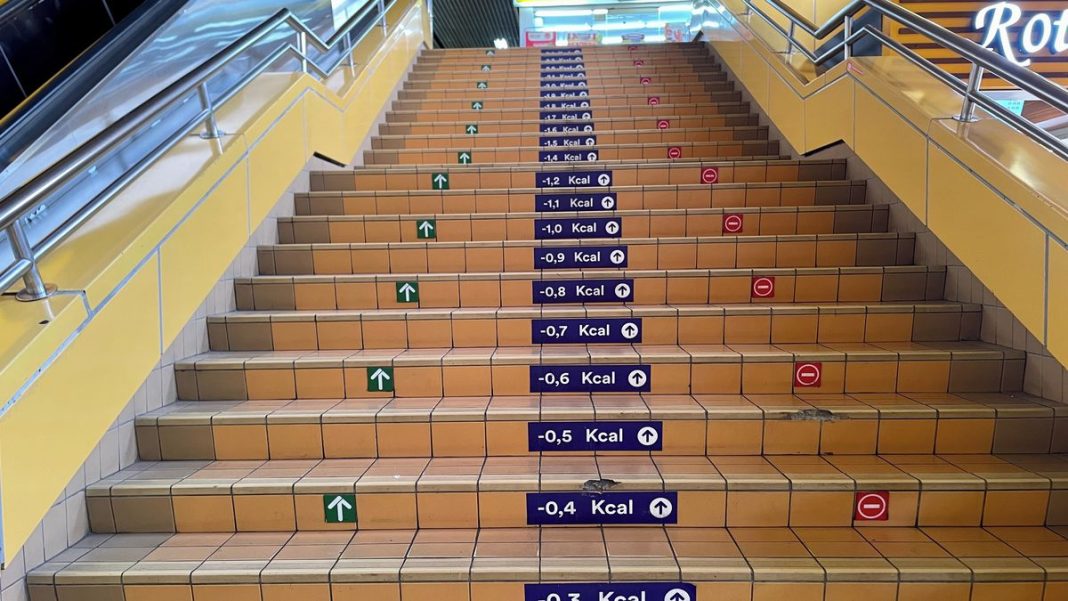

In modern cities, the conversation about urban mobility often revolves around public transport, electric vehicles, and cycling. However, a new perspective encourages us to consider the power of our own feet, particularly through the act of climbing stairs. In Prague, discussions are heating up about an unconventional idea—what if motorists embraced “vertical walking” as part of their daily routine?
The Concept of Vertical Walking

The term “vertical walking” may sound futuristic, but it primarily refers to an increased use of stairs rather than elevators or escalators. Advocates suggest this simple change could have profound benefits. By integrating stair climbing into everyday life, individuals engage in a low-impact form of exercise, which is widely recognized for its health benefits, including improved cardiovascular fitness and muscle strength.
Moreover, in cities like Prague with a rich architectural landscape, stairways are often beautiful and historical, offering citizens a unique way to connect with their surroundings. By choosing stairs, people can slow down and appreciate details that are usually overlooked when moving quickly through urban spaces.
Health Benefits for Motorists

For motorists who spend considerable time in their vehicles, the suggestion to incorporate stair climbing is particularly beneficial. Sitting for prolonged periods has been linked to numerous health risks such as obesity, heart disease, and poor posture. Climbing stairs offers a reprieve and an opportunity for physical activity, which can counteract the sedentary lifestyle that driving encourages.
Furthermore, mixing vertical walking into their routine allows for better integration of physical activity into daily schedules, thus eliminating the need for additional time dedicated solely to exercise, which is often cited as a barrier to fitness for busy individuals.
Environmental Impact and Urban Planning

From an environmental perspective, encouraging the use of stairs aligns with broader efforts to reduce carbon emissions. While the individual impact may seem minor, collectively, opting for stairs over elevators could lead to significant energy savings in large office buildings or residential complexes.
Urban planners in Prague and similar cities might consider how to make staircases more appealing and accessible to further encourage this practice. By designing stairways that are welcoming and incorporating them into the city’s aesthetic and cultural fabric, cities can promote healthier and more sustainable lifestyles.
Challenges and Solutions

While the benefits are clear, there are challenges to making vertical walking a widespread practice. Accessibility is a primary concern, as not all individuals are physically capable of climbing stairs. It’s essential for urban designs to maintain accessibility for everyone, ensuring elevators remain available and functional for those who need them.
Incentives and educational campaigns may help to gradually shift mindsets and integrate stair climbing into the daily habits of motorists and the general public. By presenting it as a cultural trend or lifestyle choice, communities might embrace stair climbing as part of a broader movement towards health and sustainability.
In conclusion, while the idea of a “Ministry of Vertical Walking” might seem novel, the potential benefits of incorporating more physical movement into everyday life are well-founded. As urban areas continue to grow and evolve, embracing simple changes such as choosing the stairs can contribute to a healthier, more engaged, and sustainable society.