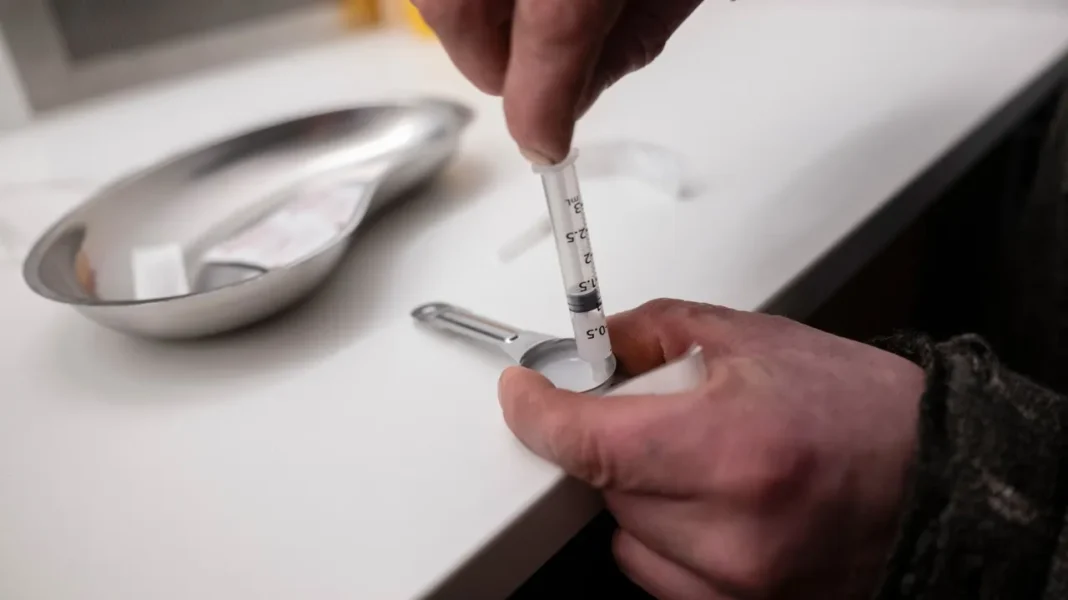

Substitute medications for addiction treatment are facing significant shortages in the market, following the unexpected exit of a major distributor. This development poses critical challenges for healthcare providers and patients dependent on these treatments in their recovery journeys.
Impact on Addiction Treatment Programs

The shortage of substitute medications, such as methadone and buprenorphine, severely threatens the stability of treatment programs across the country. These medications are crucial for managing withdrawal symptoms and reducing cravings in individuals recovering from opioid addiction. Healthcare facilities are scrambling to find alternative sources to meet the immediate needs of their patients, ensuring that treatment continuity is not disrupted.
Patients who rely on these medications face the risk of relapse due to the lack of adequate pharmaceutical support. Continued access to these treatments is vital, as any gap can have serious consequences for patient health and safety. It underscores the need for emergency measures and strategic stockpiling plans to handle such shortages in the future.
Reasons Behind the Distributor’s Market Exit

The exit of a key distributor from the market was both sudden and unexpected. Factors leading to this decision include increased operational costs and regulatory challenges that squeezed profit margins. Industry insiders also cite the competitive landscape and stringent compliance standards that smaller distributors struggle to navigate.
With this major player gone, remaining distributors are now facing heightened pressure to fill the void. However, scaling up quickly to manage this demand is proving difficult, particularly if existing supply chain disruptions continue to impact raw material availability and production timelines.
Government and Health Authorities’ Response

In response to the shortage, government agencies and health authorities are collaborating with pharmaceutical companies to stabilize the supply chain. Task forces have been established to assess the situation and recommend viable short- and long-term solutions.
Measures under consideration include temporary importation of medications from other regions where supplies are stable, as well as adjustments in regulatory requirements to facilitate faster approval for local manufacturing. These steps emphasize the urgency with which authorities are addressing the crisis to protect public health.
Future Preventative Strategies

Looking ahead, the healthcare industry is exploring strategies to prevent similar occurrences in the future. Strengthening local manufacturing capabilities and diversifying supply chains are top priorities. There’s also a focus on building partnerships with international pharmaceutical firms to ensure consistent medication supply.
Public awareness and education campaigns are being planned to inform stakeholders about the importance of sustainable practices in pharmaceuticals and the critical role these medications play in public health.
In conclusion, the current shortage of substitute medications for addiction treatment highlights significant vulnerabilities in the healthcare supply chain. Addressing these issues promptly will require coordinated efforts across sectors to ensure that individuals battling addiction receive the support they need without interruption.