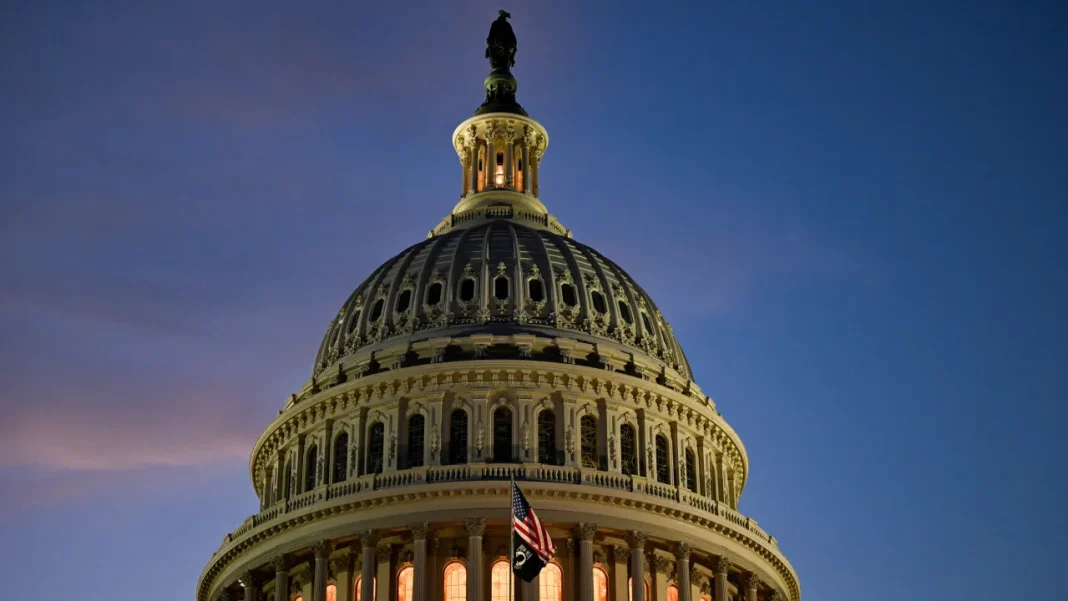

The United States House of Representatives has voted to end a partial government shutdown, potentially bringing relief to numerous federal employees and government operations disrupted by the funding lapse. This decision signals a significant step towards restoring full governmental functionality.
The Decision in the House

Late last night, the House of Representatives approved a measure to end the partial shutdown, with votes primarily split along party lines. This legislative move aims to resolve the standoff that has hindered federal services and left many workers unpaid. The measure will now proceed to the Senate, where further debate is anticipated.
The shutdown, driven by budgetary disagreements, resulted in a series of furloughs and disruptions. The decision to end it reflects growing pressure on lawmakers to restore normalcy. If passed by the Senate, the bill will be sent to the President for approval, potentially reopening closed agencies and programs.
Impact on Federal Employees

The shutdown has resulted in significant challenges for thousands of federal workers, many of whom were either furloughed or required to work without pay. The financial strain has become a focal point, with calls for immediate action from various advocacy groups and unions.
A resolution to the shutdown would mean that back pay will be provided to affected employees, offering some respite after weeks of uncertainty. This development is crucial not just for the individuals involved but for the stability of government functions reliant on their work.
Political Implications

The decision to end the shutdown is poised to have lasting political repercussions. Both parties have highlighted their commitment to resolving the budgetary issues, but the debate has revealed stark divisions regarding fiscal priorities. The outcome may influence voter perceptions ahead of future elections.
While the immediate focus remains on securing Senate approval, the broader political discourse on government funding and resource allocation is likely to continue, shaping legislative agendas in the coming months.
Next Steps and Expectations

Following the House’s approval, all eyes are on the Senate as it considers the bill to reopen the government. Senate leaders have indicated an expedited review process, although potential amendments could delay proceedings. Cooperation across party lines will be crucial in navigating this next phase.
Should the President sign the bill into law after Senate passage, federal operations are expected to normalize swiftly. Government officials have assured the public and federal workforce that restoration of services will be a priority.
The decision by the House represents significant progress in addressing the shutdown crisis. Continued bipartisan efforts will be essential to maintain governmental stability moving forward.