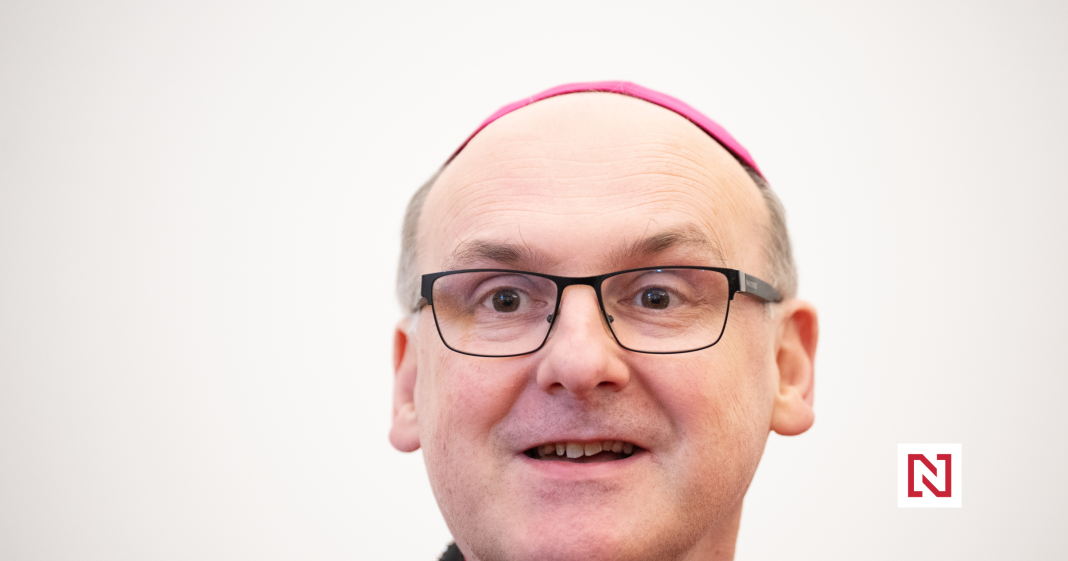

The appointment of the new Archbishop Přibyl marks a significant moment for Czech Catholics, bringing fresh leadership and vision to the religious community. Following the recent announcement, many are eager to understand more about his background and the direction he intends to take the Church.
Early Life and Ordination

Archbishop Přibyl was born in the Czech Republic, where he cultivated his spiritual interests from a young age. He pursued theological studies at the Charles University in Prague, which laid the groundwork for his future ecclesiastical roles. Ordained into the priesthood in the early 2000s, he quickly became known for his profound dedication and compassionate approach to pastoral duties.
His ordination was celebrated in his home church, where members of the community witnessed his commitment to fostering faith and understanding. His early experiences serving in various parishes provided him with a deep understanding of the challenges and opportunities facing Czech Catholics today.
Path to Archdiocese Leadership
Before his appointment as Archbishop, Přibyl held various significant roles within the church, both in administrative and pastoral capacities. These roles included serving as a diocesan administrator and being actively involved in interfaith dialogue initiatives. His leadership style is often described as open and collaborative, aiming to bring together diverse groups within the church.
His approach to leadership emphasizes the importance of engaging with local communities and addressing contemporary social issues. These values have been instrumental in his selection as the new Archbishop, as the church seeks to strengthen its relevance and outreach in a rapidly changing society.
Vision for the Czech Catholic Church
Archbishop Přibyl’s vision for the Czech Catholic Church focuses on inclusivity and modernization while retaining core spiritual values. He has expressed a strong desire to bridge generational gaps within the church and to make religious practices accessible to younger generations who may feel disconnected.
His plans include enhancing educational programs, increasing the church’s presence in social media, and expanding charity work. By doing so, he hopes to rejuvenate the spiritual landscape in Czechia and build a church that resonates with contemporary believers’ needs.
Challenges and Opportunities

The new Archbishop faces several challenges as he steps into his role, including declining church attendance and the need for modernization in religious practices. However, these challenges also present opportunities for innovation and growth.
Archbishop Přibyl is well aware of the societal shifts and appears ready to adopt strategies that align with current times while maintaining the integrity of Catholic teachings. His proactive approach suggests promising developments for the future of the church in Czechia.
As Archbishop Přibyl assumes his new role, the Czech Catholic community looks forward to a period of renewal under his leadership. His past experiences and forward-thinking vision present a hopeful path forward.