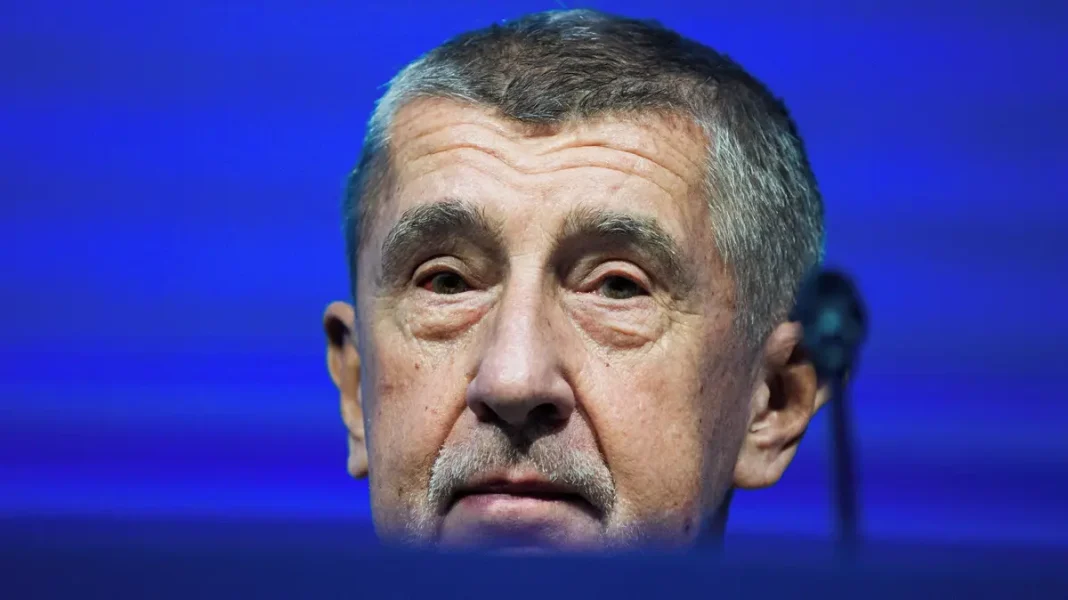

The Czech Republic’s former Prime Minister, Andrej Babiš, is actively engaging with European Union leaders to delay the implementation of new emissions permits. This move comes amid rising concerns over economic impacts and energy security as the EU pushes for stricter environmental regulations.
Babiš’s Appeal for Economic Stability

Andrej Babiš, a prominent political figure in Czechia, is urging a postponement of the EU’s stringent emissions rules. His argument centers around the potential negative economic implications for member states, particularly those whose economies rely heavily on industries facing tougher emissions standards. Babiš argues that immediate implementation could disrupt industries and lead to job losses during an already precarious economic period.
Babiš is striving to bring attention to the need for a more realistic timeline that allows industries to adapt gradually to new environmental standards. This, he proposes, would prevent abrupt economic shocks and provide firms with the opportunity to innovate and transition sustainably.
Energy Security Concerns
The energy security of the region forms another pillar of Babiš’s argument. As Europe navigates geopolitical tensions and shifting energy supplies, there is worry that stringent emissions standards could further strain the energy infrastructure. Babiš is highlighting the risk of energy shortages if industries are forced to comply rapidly without adequate alternatives in place.
To combat these concerns, Babiš suggests prioritizing investment in renewable energy development and infrastructure enhancement. By doing so, he believes the EU can achieve its climate goals without jeopardizing regional energy stability.
Response from EU Leaders
While some EU leaders have expressed understanding of Babiš’s concerns, there remains strong support for maintaining the current timeline for emissions reductions. Proponents argue that delaying action will only exacerbate environmental challenges and incur greater long-term economic costs related to climate change.
Nevertheless, discussions are ongoing, with some leaders proposing potential compromises. These may include phased implementation strategies or increased funding for affected industries to ease the transition.
The Czech Public’s Reaction

The public response within Czechia to Babiš’s efforts has been mixed. Environmental groups criticize any attempts to delay necessary climate action, emphasizing the urgency of addressing climate change. However, some business sectors and workers express support for Babiš’s stance, fearing economic repercussions.
Public opinion appears divided, highlighting the delicate balance between economic growth and environmental responsibility. Ongoing dialogues could shape the future direction of both Czech and EU environmental policies.
As discussions continue, the EU must weigh Babiš’s requests against the backdrop of urgent environmental needs and the economic realities faced by its member states.
Source: Official Czech Government website.