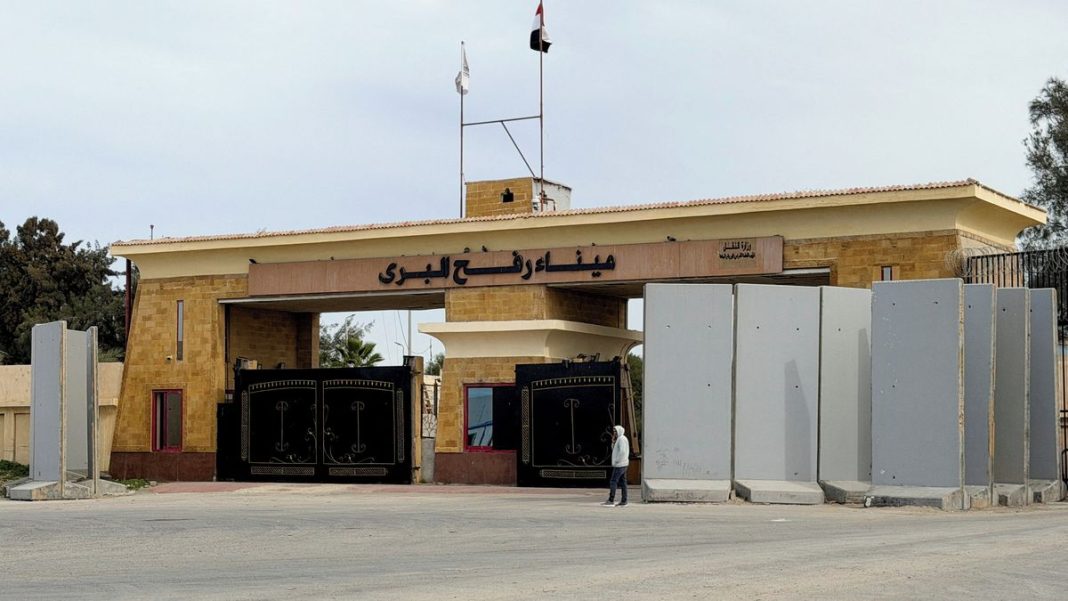

Israel has recently opened the Rafah Crossing to allow a daily entry of 50 Palestinians. This strategic move is expected to contribute significantly to regional dynamics, affecting both the local population and broader geopolitical landscape.
Logistics of the Rafah Crossing

The Rafah Crossing, located on the border between Egypt and the Gaza Strip, serves as a critical point of entry and exit for Palestinians. By allowing daily access for 50 individuals, Israel aims to facilitate better movement and ease restrictions for medical, educational, and family reunification purposes. This initiative marks a significant shift in Israel’s border management policy.
Previously, the Rafah Crossing was known for being heavily restricted, with limited access and sporadic openings. The changes are expected to ease congestion and minimize waiting times, contributing to a more efficient flow of people, crucial for those in urgent need of travel or medical care.
Impact on Palestinian Daily Life

This development holds immense significance for Palestinians, particularly those in Gaza, who often face strict travel restrictions. Daily permits mean greater access to necessities and opportunities, leading to improved quality of life for those permitted to cross.
For families separated by borders, the daily permits offer a much-needed chance for reunification, crucial for maintaining familial bonds. Additionally, students and professionals seeking opportunities abroad can now travel with more predictability and ease.
Regional Reactions and Political Implications

The decision has garnered mixed reactions from different political factions and neighboring countries. While some view this as a positive step towards reducing tensions, others remain skeptical about the long-term implications and potential for increased movement.
Regional stakeholders, including Egypt, which controls the Egyptian side of the crossing, are closely monitoring the situation. The move’s success may set a precedent for future negotiations and strategies in managing border relations.
Future Prospects and Challenges

While the opening of the Rafah Crossing is a promising development, it also presents challenges. The already strained infrastructure of the crossing will need to accommodate increased traffic, requiring cooperation among all parties involved.
Moreover, maintaining security while ensuring smooth operations remains a priority. Stakeholders must work collaboratively to address any logistical hiccups, ensuring that this initiative benefits the local populations without compromising security.
Opening the Rafah Crossing serves as a pivotal gesture in reshaping movement dynamics for Palestinians, with hopeful prospects for easing long-standing regional tensions.
Source: Official Government of Israel website.