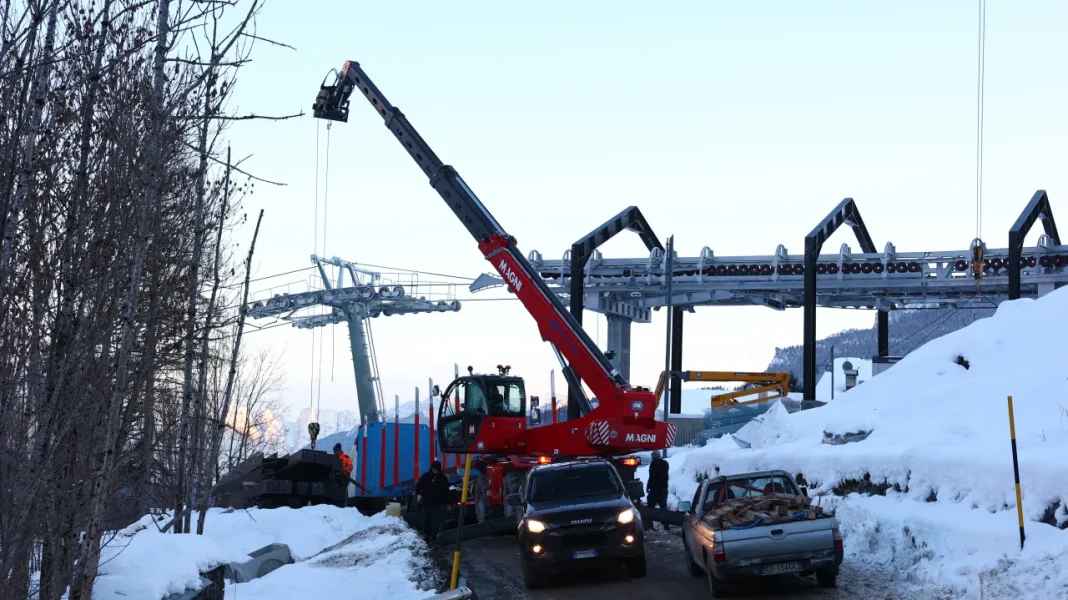

With the commencement of the Olympic Games in Italy just around the corner, organizers are facing several challenges that could impact the event. From infrastructure issues to financial concerns, the clock is ticking to resolve these problems.
Infrastructure Woes

As the countdown to the Olympics begins, Italian organizers are grappling with completing essential infrastructure projects. Reports have emerged of delays in the construction of key venues and transportation networks. These delays have raised concerns about the readiness of facilities to host international athletes and spectators, potentially affecting the smooth operation of the games.
Local authorities have assured the public that additional resources and manpower are being allocated to ensure timely completion. However, experts warn that the pressure to finish construction quickly might lead to compromised quality and safety standards, raising questions about the long-term viability of these developments.
Financial Constraints

Budgetary constraints are a significant hurdle for the organizers, with costs reportedly ballooning beyond initial estimates. The financial strain has forced cuts in various areas, including sustainability initiatives originally planned for the Games. This has prompted criticism from environmental groups who were promised a ‘green’ Olympics.
To address the shortfall, organizers are seeking additional funding and sponsorships from both domestic and international entities. The Italian government is also reportedly stepping in to cover some of the deficits, though critics argue that public funds should not be heavily relied upon for such events.
Logistical Challenges
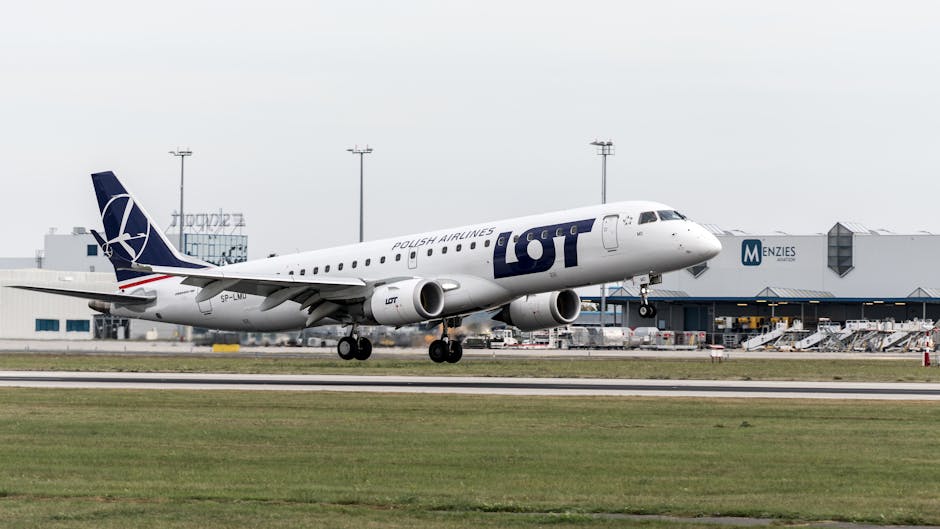
Beyond infrastructure and finances, logistical challenges loom large. Coordination among various governmental and non-governmental bodies has been cited as a bottleneck. This lack of cohesion risks affecting transportation, security, and accommodation arrangements that are vital for the smooth running of the Olympics.
Efforts are underway to streamline communication and operations across different sectors. Meetings with stakeholders and experts are being organized in a bid to align strategies and address potential overlaps and gaps.
Public Sentiment
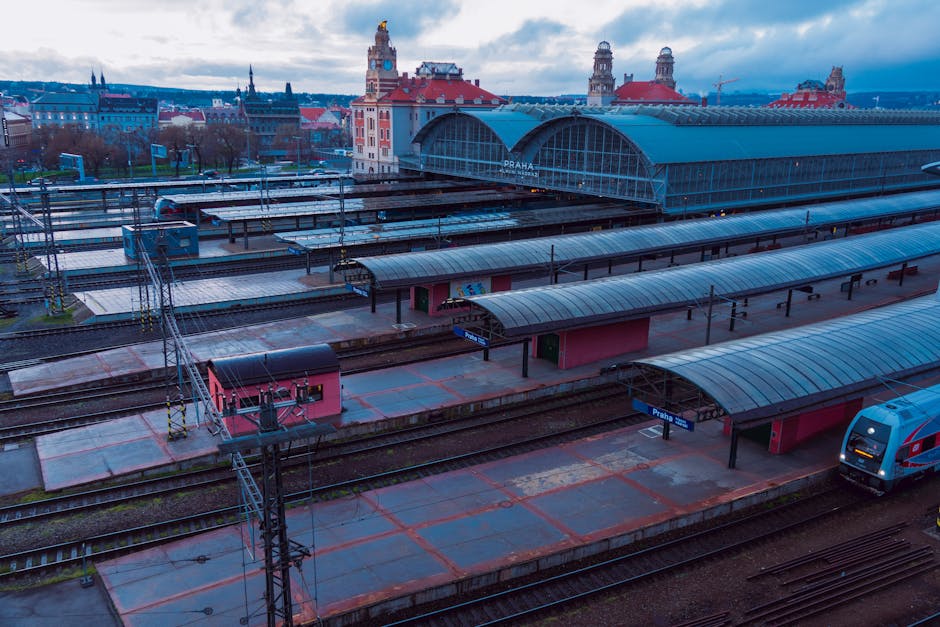
Public opinion is divided as excitement for the event is tempered by skepticism over its potential drawbacks. While many are eager to witness a celebration of sports on their home soil, others are questioning the long-term benefits versus the immediate costs and disruptions.
The local populace is especially concerned about the impact on daily life, including traffic congestion and heightened security measures. As Italy prepares to host the world, these public sentiments underscore the intricate balance required to ensure the event is both successful and well-received.
Despite the current issues, Italian organizers remain optimistic about delivering a memorable and engaging Olympic Games. Their efforts in the coming days will be crucial in setting the stage for a successful event.