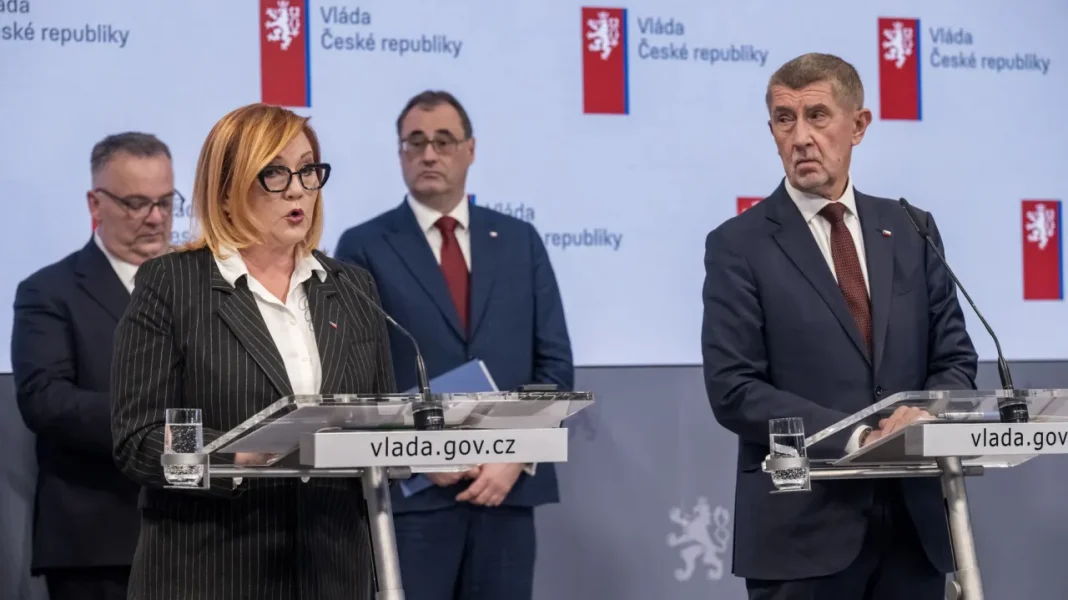

As tensions rise over the national budget, a significant clash looms between the Czech government and President Petr Pavel. Key decisions in the coming weeks could define the political and economic landscape of the country.
The Core of the Conflict

The potential conflict stems from disagreements over the allocation of funds in the national budget. The government has proposed a series of cuts and reallocations intended to streamline public spending and reduce national debt. However, President Pavel has expressed concerns that these cuts might undermine vital public services and economic recovery efforts.
Experts suggest that the government’s budget proposal aims to address immediate fiscal challenges, prioritizing economic stability. In contrast, President Pavel’s stance emphasizes the necessity of maintaining sufficient funding for critical sectors such as healthcare, education, and infrastructure to foster long-term growth.
These differing priorities highlight a broader debate within Czech politics about balancing fiscal responsibility with public welfare. The outcome of this conflict could set precedents for future fiscal policies in the country.
Economic Implications for Czech Citizens

The proposed budget cuts include reductions in certain subsidies and public sector wages, which may directly impact a wide range of citizens. Additionally, funding adjustments in public projects could delay or halt initiatives that many communities rely on, affecting local economies.
Proponents of the budget argue that these measures are necessary for sustainable growth, ensuring the country does not slip into a deeper fiscal deficit. However, critics warn that significant reductions in public spending could slow down economic recovery post-pandemic, leading to adverse effects on employment rates and social services.
The ongoing discussion suggests a need for a balanced approach that considers both immediate fiscal health and long-term social stability. This balance will be crucial to maintaining public confidence in the government’s economic strategy.
Potential Political Ramifications
If no agreement is reached between the government and the presidency, the resulting impasse could lead to a political stalemate, impacting the timing and implementation of the budget. Such deadlocks often lead to instability within the ruling coalition and could prompt cabinet reshuffles or even early elections.
The political dynamics in Czechia are delicate, with various parties holding divergent views on fiscal policy. Aligning these conflicting interests requires nuanced negotiation skills from both the government and the president, who must ensure their actions reflect the citizens’ needs and aspirations.
Observers are keenly watching how this conflict unfolds, as it may influence future alliances and policy-making directions within the Czech political arena.
Public Reactions and Involvement

The public’s response to this potential conflict between the government and President Pavel will be instrumental in shaping the outcome. Civic groups and citizens have started voicing their opinions through social media and public forums, emphasizing the importance of transparency and public consultation in decision-making.
Some citizens support the government’s efforts to curb spending, viewing it as a necessary step to prevent economic downturns. Meanwhile, others align with President Pavel’s vision, stressing the need for robust funding in public services to ensure a quality standard of living.
Engagement in public discourse suggests a heightened awareness and involvement of Czech citizens in national fiscal policies, reflecting a maturing democratic process where public opinion significantly impacts political decisions.
As the debate continues, the resolution of this budget conflict will not only influence immediate economic conditions but also shape the future direction of Czechia’s fiscal policy framework. Strong leadership and collaborative dialogue will be required to navigate these complex and challenging issues.
Source: Official Czech government website.