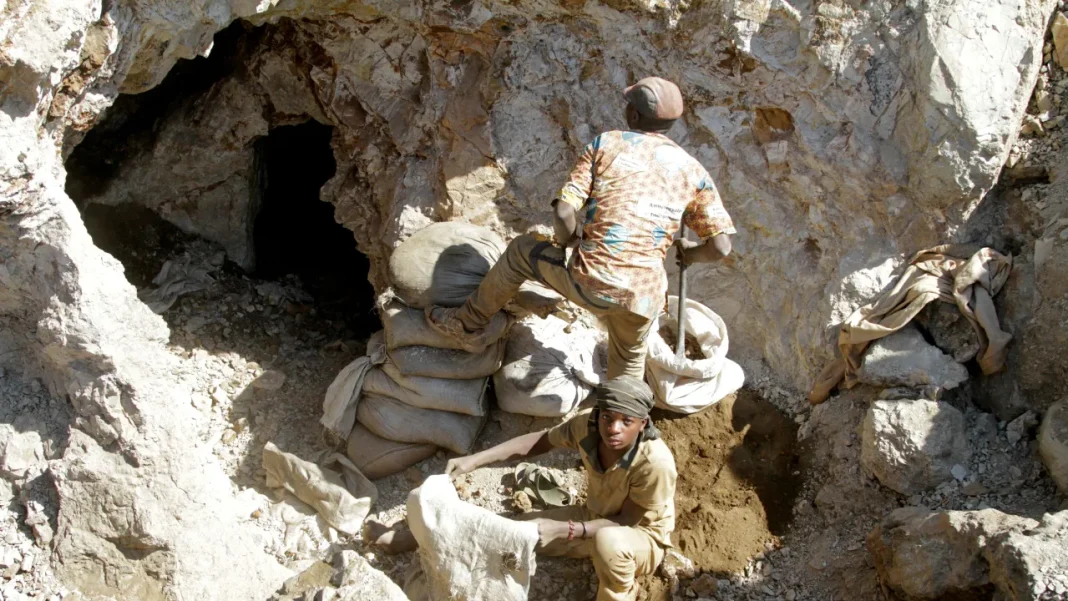

A devastating mining disaster in Eastern Congo has claimed over 200 lives, leaving communities in shock and mourning. This tragic event underscores the ongoing risks associated with informal mining practices in the region.
Details of the Tragic Collapse
The collapse occurred in a gold mine in the town of Kamituga, located in South Kivu province, a region notorious for its reliance on artisanal mining. These informal operations, often lacking proper safety measures, can lead to catastrophic results, as shown in this most recent incident. Emergency services have been overwhelmed, with local volunteers stepping in to assist with rescue efforts.
Authorities confirmed that the collapsed mine trapped a significant number of miners underground. Rescue operations are still ongoing, but the chances of finding more survivors appear slim. The precariousness of the mine’s structure further complicates rescue efforts, heightening fears of additional collapses.
Potential Causes and Contributing Factors

Preliminary reports suggest that heavy rainfall contributed to the mine’s collapse. The region has been experiencing intense weather conditions, which have historically affected mining operations. Unprotected tunnels become vulnerable to such weather, increasing the risk of such disasters.
Illegal mining operations, which are common in Eastern Congo due to poverty and lack of employment, exacerbate the likelihood of such tragedies. These mines often operate without governmental oversight or sufficient safety measures, putting the lives of miners in constant jeopardy.
Government and International Response

The Congolese government has expressed its condolences to the victims’ families and promised to investigate the incident thoroughly. However, the government faces criticism for not implementing stricter safety regulations for the mining sector. Advocacy groups are also urging for more robust regulatory frameworks to protect miners.
The international community has been urged to support Congo in enhancing mine safety. Humanitarian aid has begun to arrive to support the victims’ families, providing essential supplies and financial assistance. There’s a call for heightened awareness and action to prevent future occurrences.
Socio-Economic Impacts

This disaster highlights the reliance of local communities on mining as a primary source of livelihood. With the collapse of the mine, many families face uncertain futures without the primary income of their lost loved ones. Long-term economic strategies and development initiatives are needed to diversify income sources and reduce dependency on risky mining operations.
Moreover, the incident has sparked debates on the ethical implications of purchasing conflict minerals from regions like Eastern Congo. Global pressure is increasing for companies to ensure supply chains are free from sources associated with human rights abuses.
Efforts to address the underlying issues of poor regulation and socio-economic dependency on mining in Eastern Congo are critical to preventing further tragedies. Collaborative actions from local and international stakeholders are necessary to safeguard the lives and livelihoods of vulnerable communities.