
In a bid to foster diplomatic relations, former U.S. President Donald Trump has expressed a desire to engage in talks with Iran, emphasizing his hope to avoid military confrontation. His comments mark a notable attempt to ease tensions between the two nations.
Background on U.S.-Iran Relations

The relationship between the United States and Iran has been fraught with tension for decades, primarily due to political, ideological, and military divergences. In recent years, disagreements over Iran’s nuclear program have been a central issue. The U.S. withdrew from the Joint Comprehensive Plan of Action (JCPOA) under Trump’s administration, which heightened tensions further. Efforts to reinstate talks signal a potential shift in strategy aimed at curbing nuclear proliferation and fostering peace.
Historically, U.S.-Iran relations have also been influenced by regional dynamics in the Middle East, affecting global alliances and strategic interests. Iran’s influence in countries like Iraq, Syria, and Lebanon remains a concern for American foreign policy.
Trump’s Call for Diplomacy
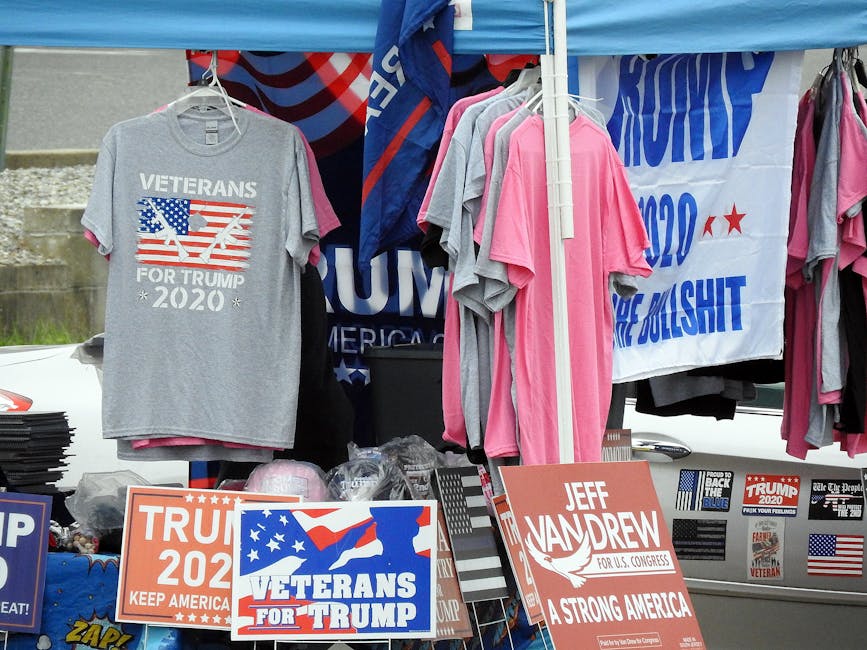
Trump’s recent statements suggest a pivot towards diplomacy rather than force. He has indicated a readiness to reengage with Iranian leaders, focusing on dialogue to address both nations’ concerns. Key issues likely to be discussed include nuclear oversight, regional security, and economic sanctions that have significantly impacted Iran’s economy.
The former president’s approach aligns with his prior overtures to North Korea, where he sought direct negotiations. Such strategies underscore Trump’s belief in personal diplomacy as a means to resolve complex international challenges.
Iran’s Potential Response

The Iranian leadership’s response to Trump’s outreach will be a crucial factor in determining the success of any forthcoming negotiations. Iran has consistently demanded relief from economic sanctions as a prerequisite for any meaningful dialogue.
Internally, Iran may face pressure from hardliners who are skeptical of U.S. intentions. Nevertheless, with rising economic challenges, incentivized diplomacy may appeal to moderates within the government seeking relief and international normalization.
International Reactions and Implications
International reactions to Trump’s call for talks with Iran are mixed. Some Western allies support diplomatic efforts, believing that conversations could stabilize the region and reduce the threat of nuclear arms. Conversely, other nations remain cautious, stressing the importance of strategic patience and verified commitments.
The outcome of such dialogue could significantly influence global diplomatic norms and strategies in addressing international conflicts. Countries in the Middle East closely monitor these developments, given the potential impacts on regional alliances and security dynamics.
In conclusion, Trump’s willingness to engage in talks with Iran represents a significant diplomatic gesture aimed at reducing longstanding hostilities. However, the path to fruitful negotiations will require careful navigation of complex geopolitical landscapes.
Source: Official U.S. State Department website.