
The Israeli military has reportedly acknowledged that 71,000 people have died due to the ongoing conflict in Gaza. This recognition marks a significant moment in the enduring struggle, bringing attention to the scale and severity of the humanitarian crisis.
Background of the Conflict

The conflict between Israel and Gaza has been a persistent and tragic reality for decades. Originating from longstanding political, territorial, and ethnic disputes, it has seen periodic escalations resulting in significant human suffering. The Gaza Strip, a densely populated area, has often been at the center of this turmoil. With repeated cycles of violence, many civilians find themselves caught in the crossfire, leading to devastating casualties.
The Israeli military’s latest acknowledgment of the death toll reflects the grave humanitarian cost of the conflict. This figure, although staggering, could help bring renewed international attention and urgency to finding a peaceful resolution. The acknowledgment comes at a time when global diplomatic efforts are increasingly called upon to address the plight of those affected.
Humanitarian Impact

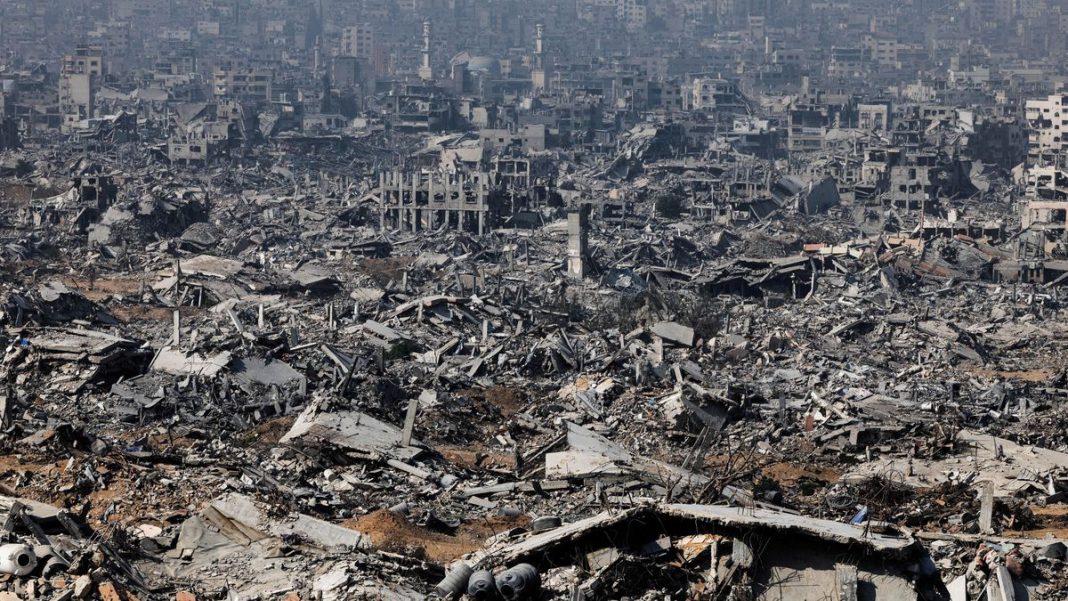
The human toll of the Gaza conflict has been profound, with thousands of lives disrupted or lost. The majority of casualties are civilians, including women and children, who suffer due to the absence of safe havens and the sheer density of the region. Infrastructure damage exacerbates the crisis, resulting in insufficient resources, healthcare, and basic services for the surviving population.
Organizations and agencies operating in the region have consistently highlighted the need for humanitarian aid. Efforts are focused on providing medical assistance, food, and shelter to those most in need. The latest death toll acknowledgment could potentially galvanize increased international support and assistance for these interventions.
International Reactions

The international community’s response to the Israeli military’s acknowledgment of the death toll has been varied. Some nations and organizations have called for immediate ceasefires and renewed peace talks to prevent further casualties. Meanwhile, human rights advocates emphasize the need for accountability and transparent investigations into the events leading to such high numbers of deaths.
Diplomatic channels are now under pressure to broker discussions aimed at achieving lasting peace. Continuous dialogue and engagement are crucial to addressing the underlying issues fueling the conflict and preventing further escalation.
Prospects for Peace

The path to peace in the region is fraught with challenges. Both local and international stakeholders must navigate complex historical grievances and geopolitical interests. Efforts to reach a sustainable resolution will require comprehensive dialogue, compromise, and a genuine commitment to coexistence.
The Israeli military’s acknowledgment of the casualties could serve as a catalyst for renewed peace efforts. However, achieving tangible results will demand sustained engagement and the willingness of all parties involved to seek peaceful solutions.
In conclusion, the acknowledgment of 71,000 deaths in the Gaza conflict by the Israeli military underscores the dire humanitarian situation and the urgent need for peace. Moving forward, the focus must remain on diplomatic efforts to ensure that future generations do not endure similar tragedies.