

The Czech Republic, historically one of NATO’s staunchest allies and a fervent supporter of U.S. foreign policy, currently stands at a crossroads. Recent actions by the United States have left Prague questioning its role and loyalty within the transatlantic alliance.
Shift in U.S.-Czech Relations

For decades, the Czech Republic has been a dependable partner for the United States, contributing to various NATO missions and aligning closely with Washington’s foreign policy objectives. However, recent U.S. policy shifts have prompted concerns in Prague over the strength and reliability of this partnership. Among these developments is a perceived reduction in the U.S.’s commitment to European security.
Prague officials have publicly expressed their discomfort over such changes, suggesting that the traditional stance of unwavering support for U.S. initiatives might need reevaluation. These sentiments are echoed by various political figures who worry that their interests may be sidelined in broader strategic decisions.
Implications for NATO’s Cohesion
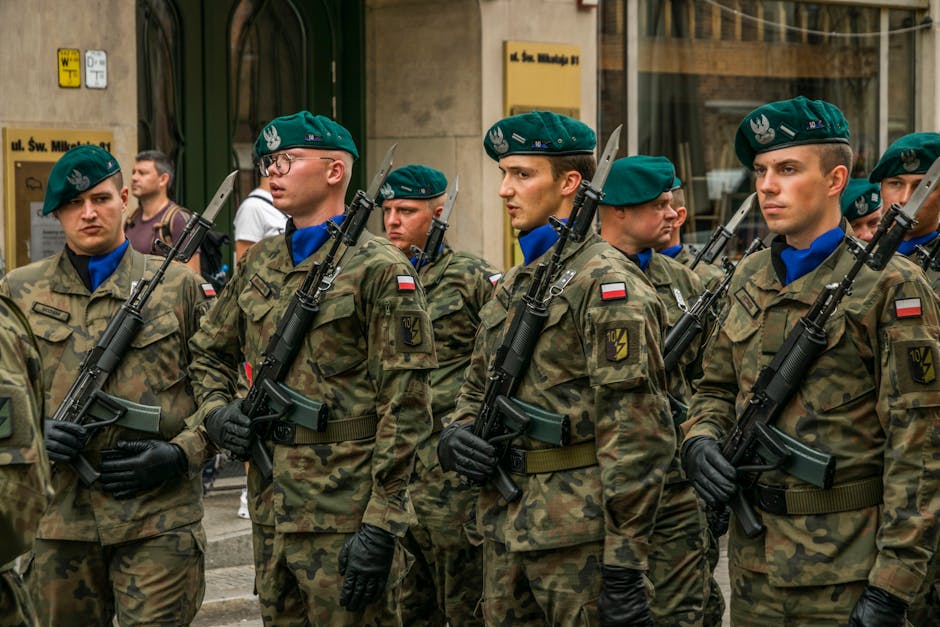
The situation has broader implications for NATO, an alliance predicated on mutual support and trust among its members. The Czech Republic’s unease could potentially lead to fractures within the alliance, especially if other member states observe and share similar grievances. Such a shift could undermine NATO’s effectiveness in dealing with modern security threats.
Moreover, the Czech Republic’s position could spur discussions within NATO on the balance of responsibilities among its members and the need for equitable burden-sharing. It raises questions about how alliances can remain robust in the face of changing geopolitical landscapes.
The Economic Dimension
Beyond military considerations, the Czech-U.S. relationship includes valuable economic ties. The Czech economy benefits significantly from trade with the United States, and any strain in political relationships could affect economic collaboration. This is particularly relevant in sectors like technology and defense, where both countries have enjoyed mutually beneficial partnerships.
Some analysts argue that economic interests may continue to bind the two nations together, even if political differences arise. However, the extent to which economic pragmatism can mitigate political discord is subject to ongoing debate.
Public Sentiment and Political Pressure

Public sentiment in the Czech Republic is shifting, and there is growing scrutiny over the nation’s allegiance to U.S. policies. Citizen protests and public discourse reflect a desire for a more balanced and independent foreign policy that prioritizes national interests.
Politicians are feeling the heat from their constituents, which could influence future governmental decisions. The pressure to reassess foreign alliances might lead to significant policy changes if public opinion continues to sway against unwavering U.S. allegiance.
As the Czech Republic navigates these complex issues, the future of its partnership with the United States remains uncertain. It is clear that both nations will need to engage in meaningful dialogue to address concerns and reaffirm commitments within NATO. The outcome will be crucial for regional stability and the integrity of transatlantic relations.
Source: Official NATO website.