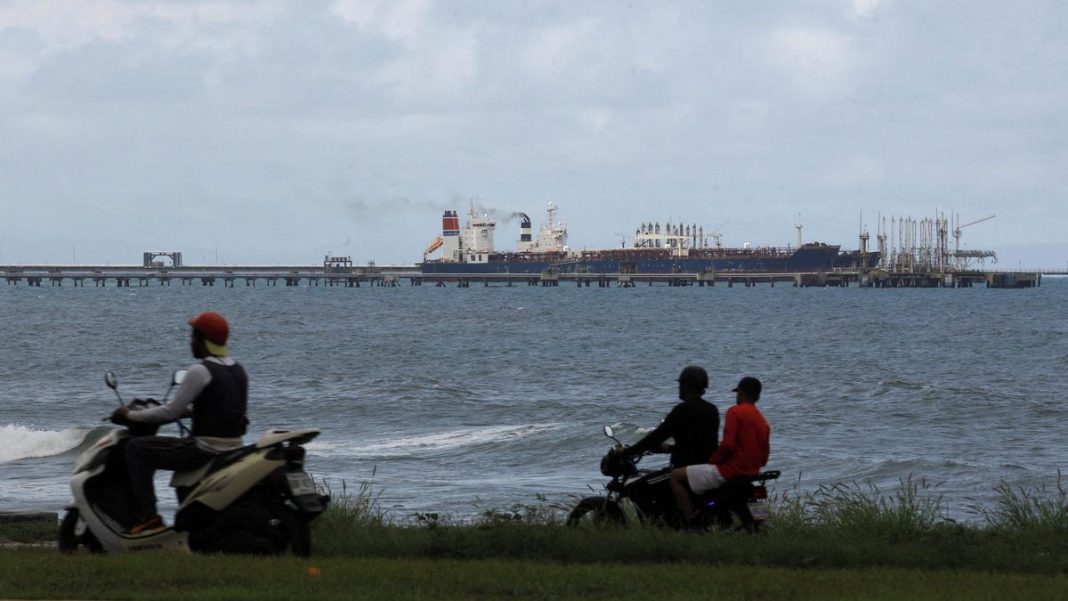

The recent transfer of a seized oil tanker by the United States to Venezuela marks a significant development in the complex relationship between the two nations. This move is seen as part of ongoing diplomatic efforts to normalize relations.
The Tanker’s Journey
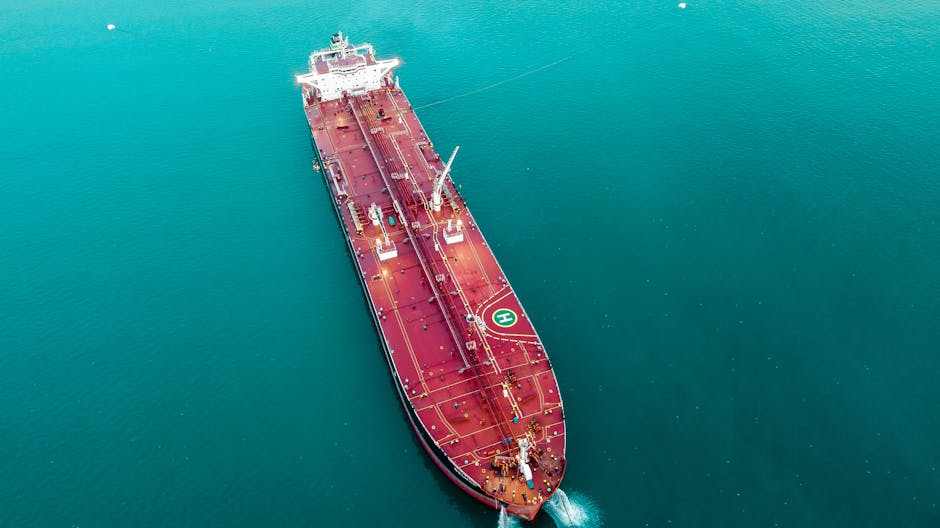
The tanker in question was initially seized due to sanctions imposed by the United States over issues related to narco-terrorism and the support of illicit activities by the Venezuelan regime. Its transfer back to Venezuela indicates a potential thaw in relations, driven by recent diplomatic talks. Such exchanges are geared toward fostering dialogue on contentious matters and finding a common ground.
This development occurs against a backdrop of fluctuating international oil politics. Venezuela, home to some of the largest oil reserves in the world, has been keen to resume exporting its crude in a bid to alleviate domestic economic troubles. The return of the tanker is thus a crucial step in reviving its oil export capabilities.
Implications for Venezuela

The handover of the tanker is expected to bolster the Venezuelan economy by allowing the government to pump more oil into the global market. Such export capabilities provide a much-needed influx of foreign currency amidst a beleaguered economy. Experts highlight that this move could be interpreted as a gesture of goodwill from the international community, aimed at encouraging economic reform and political openness in Venezuela.
Moreover, the return of vital assets opens new avenues for collaboration and dialogue between Venezuela and international stakeholders, providing Caracas with an opportunity to diversify its diplomatic and economic engagements.
Reactions from International Players
The decision has garnered mixed reactions from the international community. Some view it as a pragmatic step toward reducing tensions and stabilizing the region, while others caution that it may undermine efforts to hold the Venezuelan government accountable for alleged human rights abuses and corruption.
Countries with significant investments in Venezuela’s oil sector are particularly attentive, as the move could alter production and pricing dynamics globally. US competitors and allies alike are observing the developments closely, as changes in Venezuela’s oil production levels can influence global markets.
Future Prospects

While the transfer of the tanker is a step forward, it remains a small part of a broader and more intricate geopolitical puzzle. The future relationship between the US and Venezuela hinges on sustained dialogue and mutual cooperation, with both sides needing to address underlying political and economic issues.
The continuing focus will be on whether Venezuela can restore and maintain its oil production infrastructure, and how the international community engages with the nation’s political realities. This move could serve as a template for future negotiations, potentially paving the way for deeper cooperation or further disputes.
The return of the seized tanker represents a unique opportunity for the United States and Venezuela to reshape their bilateral relations. The path ahead remains uncertain but promising, marked by a series of strategic decisions that could influence regional stability and economic prosperity.