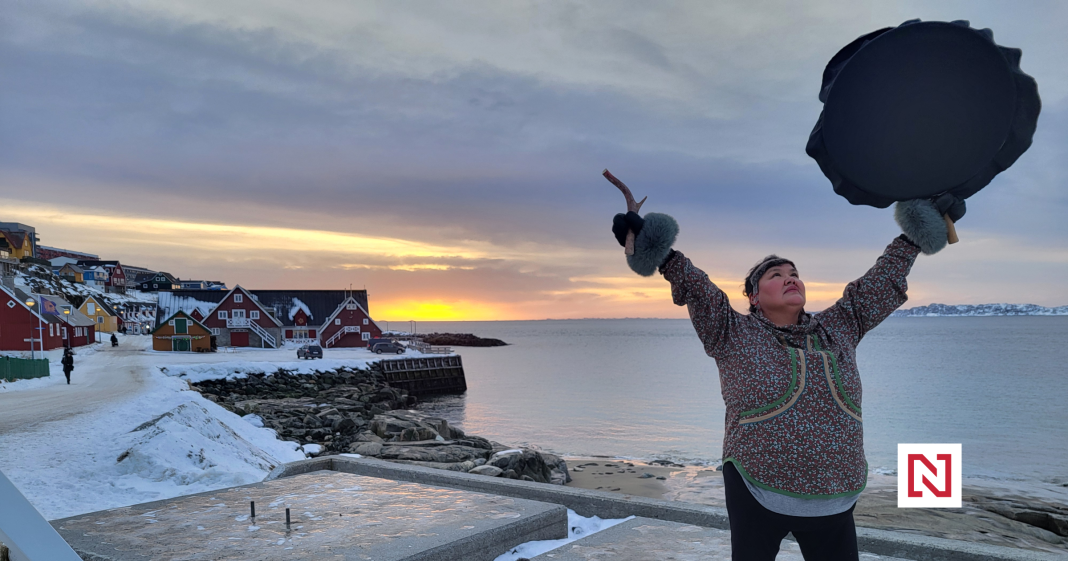

Greenland’s capital, Nuuk, has recently been thrust into international conversations as discussions emerge regarding political proposals and cultural invitations. This renewed interest coincides with the reopening of significant landmarks that offer a window into the region’s history and governance.
Nuuk’s Museums: A Window into Greenlandic Culture

Nuuk boasts several museums that provide comprehensive insights into Greenland’s rich cultural tapestry. The Greenland National Museum is a highlight, housing artifacts from Greenland’s early history to modern times. Visitors can explore exhibits that cover everything from ancient Norse settlements to the unique Inuit culture, offering a thorough understanding of the island’s heritage.
Another prominent institution is the Nuuk Art Museum, which showcases vibrant pieces by local artists. These exhibits reflect contemporary Greenlandic life and the island’s relationship with its stunning natural surroundings. As these museums reopen, they serve both locals and tourists, eager to delve into Greenland’s story, especially amid global political discussions.
The Greenland Parliament: A Hub of Governance

The Parliament of Greenland, known as Inatsisartut, is a focal point for local governance. Nuuk, being the political heart of Greenland, plays a critical role in shaping local policies. The reopening of the Parliament building to the public marks a significant moment, allowing citizens and visitors to better understand Greenland’s self-governance under the Kingdom of Denmark.
Recent discussions have included potential international influences and their implications on Greenland’s autonomy. As the world looks towards this Arctic nation, the Parliament remains a symbol of Greenlandic resilience and political evolution.
International Eyes on Greenland
The global spotlight on Greenland has intensified due to recent proposals from significant political figures. The strategic importance of Greenland and its natural resources have made it a subject of interest for various international stakeholders. This attention has sparked discussions about Greenland’s future in the context of global politics and environmental challenges.
These discussions have been met with mixed reactions locally. While some see potential economic benefits, others emphasize the importance of maintaining Greenlandic sovereignty and cultural identity. The balance between inviting global interest and protecting local interests remains a delicate one.
Local Reactions to Global Proposals

The local population has engaged in vibrant discussions regarding the international proposals mentioned. Public opinion is visibly split, reflecting the complexity of managing external relationships while preserving culture and autonomy. The role of local media in shaping these conversations cannot be understated, with publications diligently covering every development.
Community leaders and activists are voicing their concerns and hopes for the future. They continue to stress the importance of informed decision-making that involves all stakeholders, ensuring that any paths chosen will benefit Greenland and its people foremost.
Nuuk’s revival of public spaces and political dialogue underscores Greenland’s unique position at the crossroads of tradition and modernity. As it navigates newfound global interest, maintaining an open yet cautious approach will be crucial for the region’s development.
{
Source: Official Greenland National Museum website.