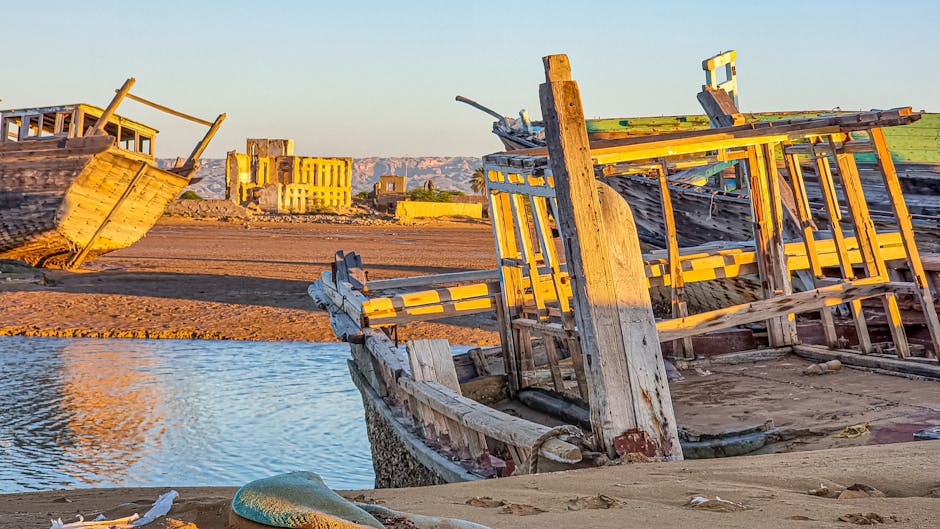

The current geopolitical climate has intensified as approximately ten U.S. naval ships have strategically positioned themselves in the Middle East with the ability to engage Iran. This development marks a significant escalation in regional tensions, drawing global attention to a potential flashpoint.
Strategic Naval Positioning
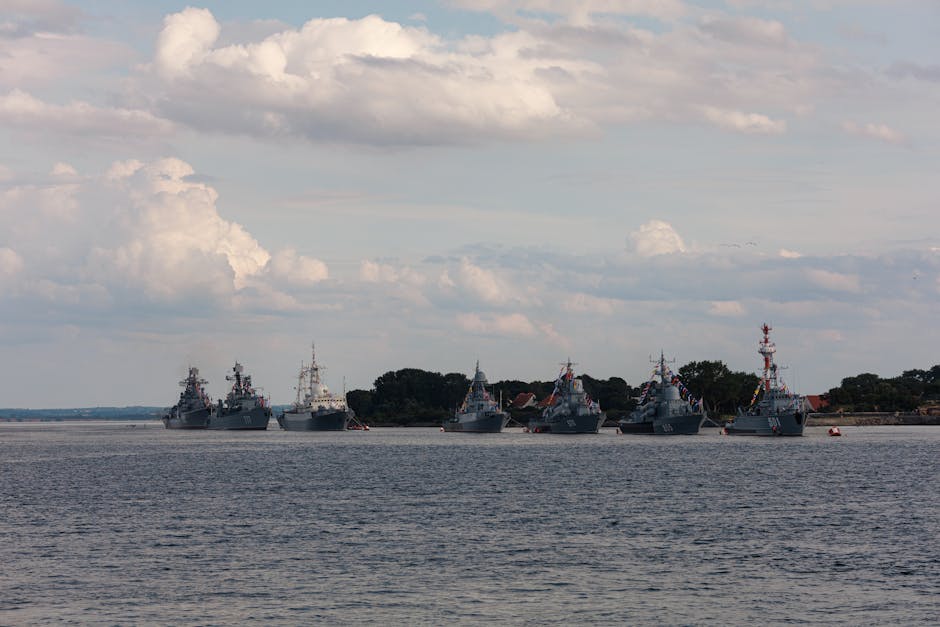
The deployment of U.S. naval vessels in proximity to Iran highlights a strategic move by the United States to assert military presence and readiness in a region fraught with tensions. This move is widely seen as a response to recent actions by Iran, which have sparked concerns among its neighbors and Western nations. The presence of these ships is meant to serve as a deterrent against any potential aggressive actions by Iran.
The specific types of ships and their capabilities have not been fully disclosed, but it is understood that they include a mix of carrier strike groups and amphibious assault ships. These vessels are equipped with an array of offensive and defensive systems, enabling them to respond swiftly to any developments that might require military intervention.
Regional Reactions and Implications

The positioning of U.S. naval forces near Iran has elicited varied reactions from countries within the Middle East. Some nations view the move as a necessary precaution that provides a balance of power, while others perceive it as a provocative action that could exacerbate existing tensions. Regional allies of the United States, such as Israel and Saudi Arabia, have expressed support for the increased military presence, while urging diplomatic solutions to prevent conflict escalation.
Iran, on the other hand, has condemned the deployment as an act of aggression. Iranian officials have stated that they will defend the nation’s interests against any form of military pressure, further heightening concerns over a potential military confrontation.
Historical Context of U.S.-Iran Tensions
The fraught relationship between the U.S. and Iran has a long history, marked by decades of diplomatic, economic, and military conflicts. From sanctions to military skirmishes, the two countries have consistently been at loggerheads over various geopolitical issues, including Iran’s nuclear program and its involvement in regional conflicts.
This latest development is reminiscent of past incidents where military deployments were used as leverage for diplomatic negotiations. However, the unpredictability of the current global political landscape adds a layer of complexity, raising questions about the long-term effects of such maneuvers.
Potential Paths to De-escalation

Diplomatic efforts remain a priority for many international powers who wish to see a peaceful resolution to the tensions between the U.S. and Iran. The European Union and other global entities continue to advocate for dialogue and negotiation, emphasizing the importance of maintaining open communication channels.
Initiatives could involve revisiting past agreements, such as the Joint Comprehensive Plan of Action (JCPOA), to address mutual concerns and create frameworks for peace. Such diplomatic efforts would require significant compromise and cooperation from both the U.S. and Iran.
As the situation unfolds, the international community remains watchful, hoping for a de-escalation that avoids military conflict and promotes regional stability.