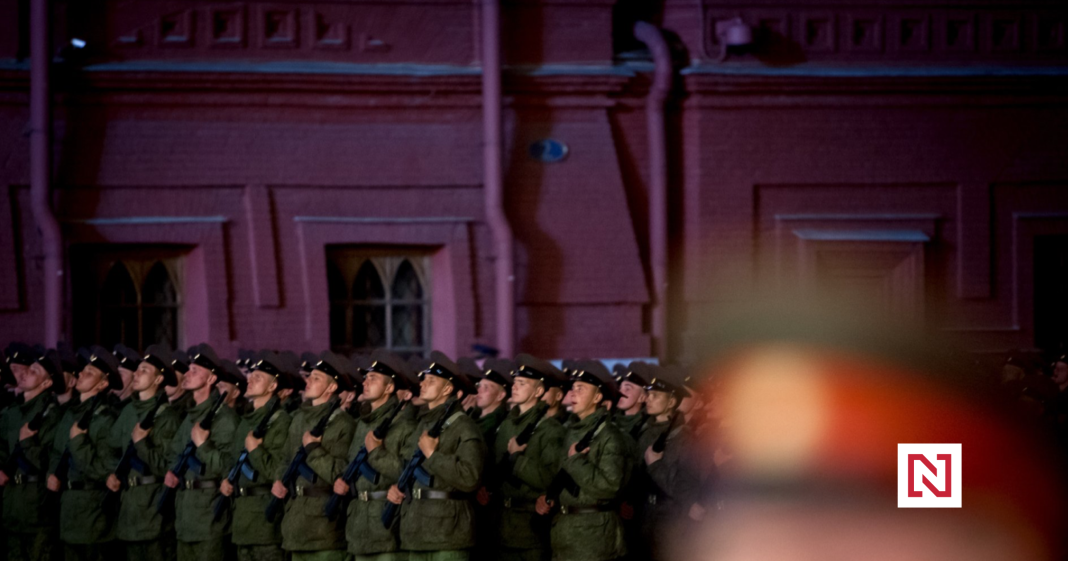

Amidst the ongoing conflict in Ukraine, Russian soldiers have been reportedly using their salaries to support military operations. This aspect of funding raises questions about the broader economic implications and personal motivations behind such financial contributions.
Understanding the Financial Contributions

Even though soldiers receive a state-sponsored salary, a portion of these funds is used to directly support military efforts in Ukraine. This unusual practice reflects both a personal commitment to the cause and a systemic issue where inadequate military funding may force reliance on individual contributions. Soldiers often face pressure to demonstrate their loyalty and dedication, contributing part of their income to support logistics, equipment, or other needs on the front lines.
In some cases, soldiers participate in organized groups that pool their resources to make a more significant impact, purchasing items that improve operational efficiency or enhance living conditions during their deployment. This reveals a deeper layer of commitment and reveals the internal dynamics of the Russian military forces.
The Economic Impact on Soldiers’ Families

These financial contributions can have significant repercussions for the families of soldiers. Some families struggle with the reduced household income as their loved ones prioritize military needs over personal financial stability. For many, this situation creates an emotional and economic strain, forcing families to adapt and sometimes seek additional sources of income.
There have been reports of families relying on local communities or state assistance to manage their household finances during the deployment period. The sacrifice made by these soldiers thus extends beyond the battlefield, affecting their families’ everyday lives and long-term financial well-being.
Broader Economic Implications

The phenomenon of soldiers funding war efforts points to broader systemic issues within Russia’s military economic structure. It highlights potential inadequacies in the military budget and the need for more sustainable financing methods. Relying on individual contributions may not only be unsustainable in the long-term but also potentially detrimental to military morale if personal financial burdens continue to grow.
Furthermore, this practice raises ethical questions about the state’s responsibility to adequately provide for its armed forces without expecting personal financial sacrifices. Addressing these issues might require policy reforms that ensure soldiers are supported without bearing the economic cost of warfare.
Comparisons to Historical Contexts

Historically, soldiers funding war efforts is not entirely unprecedented. During World War I and II, for instance, many soldiers bought war bonds to support their nation’s cause. However, the current context differs as it lacks the broader national infrastructure and public campaigns that characterized these historic efforts.
The situation in Russia today is more fragmented, suggesting a disparity in state support versus personal responsibility. Comparing these scenarios highlights shifts in military financing and the evolving expectations of soldiers’ roles beyond combat.
In conclusion, the use of Russian soldiers’ salaries to fund the Ukraine war underscores complex interactions between personal commitment, state support, and military financing. This practice not only impacts those involved directly but also prompts a broader discussion about ethical and economic considerations in military conflicts.