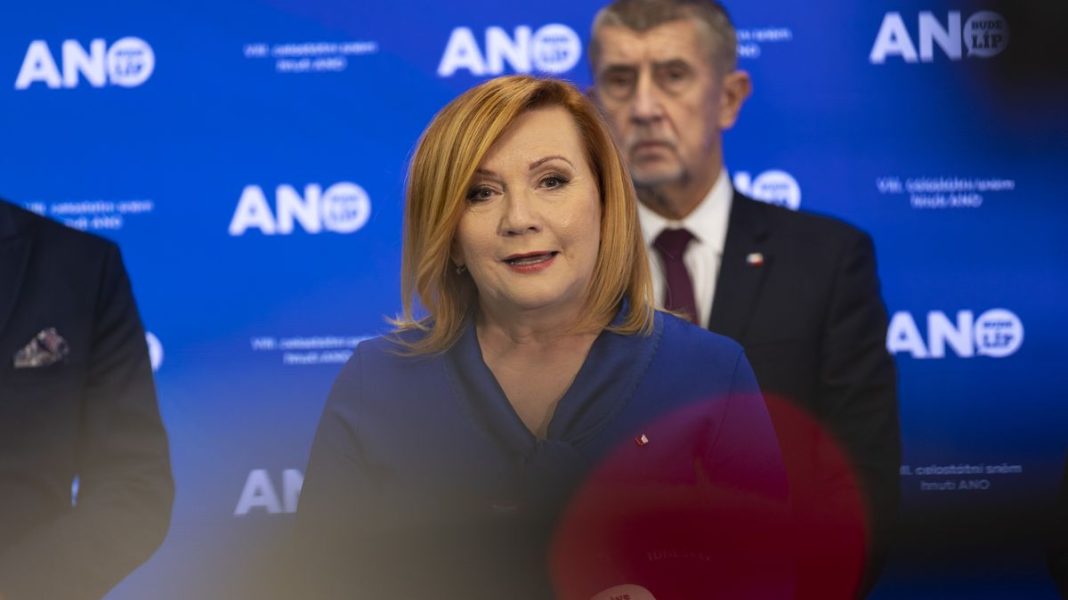

As tensions rise over Czechia’s economic performance, Alena Schillerová has sharply criticized the government’s handling of the country’s fiscal policy, attributing the significant budget deficit to the current administration led by Petr Fiala. This allegation has sparked a robust debate among politicians and economists alike.
Background of the Fiscal Dispute

Schillerová, a prominent figure in Czech politics and a former finance minister, argues that the current deficit plaguing the nation is a direct result of mismanagement by Fiala’s government. Her remarks come in response to recent financial reports illustrating a marked increase in the deficit, stirring public concern and political scrutiny.
Historically, Schillerová has been a vociferous critic of the current administration’s economic strategies, often clashing with policymakers regarding fiscal priorities and budget allocations. Her assertion that the deficit is a consequence of governmental policies rather than external economic pressures adds a contentious layer to the ongoing fiscal discourse.
Schillerová’s Economic Assertions

The crux of Schillerová’s argument centers on what she perceives as a lack of foresight and efficiency in Fiala’s financial policies. She points to specific budgetary decisions, such as increased spending in certain sectors, that she claims have exacerbated the deficit.
Schillerová suggests that more prudent fiscal measures and stricter budgetary controls could mitigate the deficit’s rise. Her comments underscore a broader debate over the balance between necessary spending to stimulate economic growth and the dangers of accruing unsustainable debt.
Response from Fiala’s Government

In response to Schillerová’s criticisms, members of Fiala’s cabinet have defended their economic policies, citing extenuating factors influencing the deficit. These include global economic disruptions, such as supply chain issues and inflationary pressures, which have impacted countries worldwide.
Government representatives argue that their fiscal strategies are designed to navigate these global challenges effectively, emphasizing their commitment to long-term economic stability and growth. This counter-narrative positions the administration as pragmatic managers, contending with external forces beyond their immediate control.
The Broader Economic Implications

The debate over Czechia’s budget deficit is reflective of a broader dialogue about economic recovery in the post-pandemic era. As nations grapple with shifting financial landscapes, the balance between immediate fiscal relief and enduring debt sustainability remains a central concern.
Economists observing the Czech situation highlight the need for adaptable policies that maintain economic momentum while safeguarding fiscal health. The discussion initiated by Schillerová’s accusations may serve as a catalyst for reevaluating current approaches and exploring innovative solutions to fiscal challenges.
In conclusion, the ongoing discourse around the deficit highlights the complexities of managing national economies in a volatile global environment. Whether Schillerová’s criticisms hold merit is just one part of a multifaceted economic tapestry that policymakers must navigate. This evolving conversation will undoubtedly influence Czechia’s fiscal direction in the coming years.