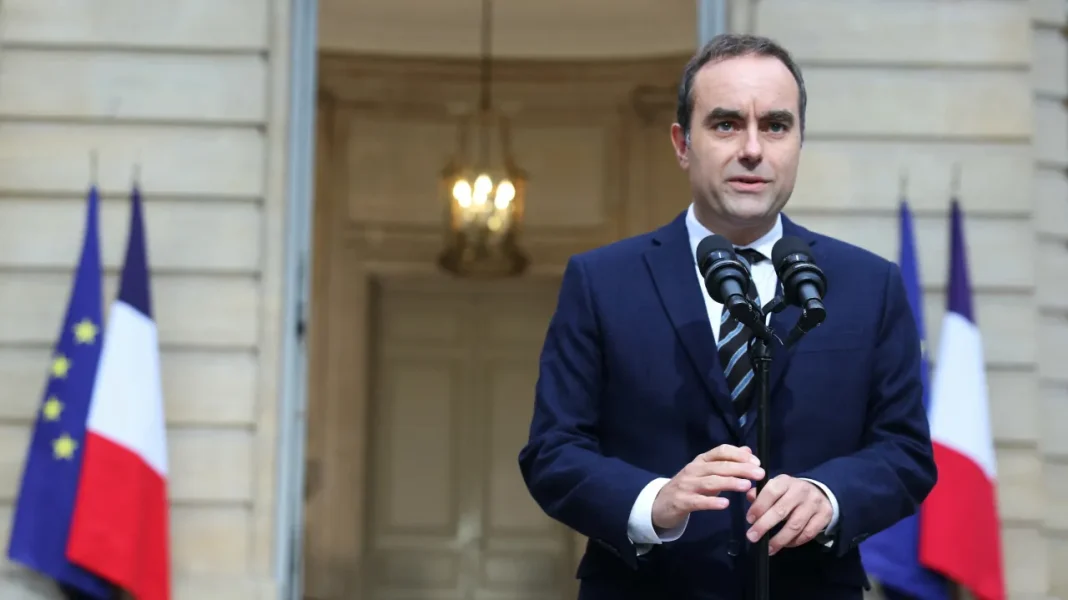

The French government has successfully navigated a series of no-confidence votes, allowing President Emmanuel Macron’s administration to pass its budget. This political victory ensures that crucial financial plans remain on track.
Background of the No-Confidence Votes

The no-confidence votes arose from a controversial budget proposal that has been the focal point of significant political debate in France. The opposition argued that the proposed budget failed to address key economic issues, including inflation and public spending. However, the government maintained that the budget is essential for France’s economic stability and future growth.
President Macron’s administration has faced considerable challenges in gaining parliamentary approval for this year’s budget. The opposition’s response, culminating in no-confidence votes, underscored the contentious nature of the proposed fiscal policies. Nevertheless, the government survived these challenges, facilitating the passage of the budget.
Implications for Macron’s Leadership

Successfully navigating the no-confidence votes bolsters President Macron’s leadership, demonstrating his ability to maintain political control in a fractious environment. This victory is pivotal, as it enables the government to continue implementing its policy agenda without the constraints of a parliamentary gridlock.
The outcome also reflects Macron’s strategic alliances and political maneuvering. By securing enough support to counter the no-confidence motions, the administration showcased its influence and capacity to unite disparate factions within the parliament.
Key Features of the Budget

The budget focuses on revitalizing the French economy by emphasizing investments in infrastructure, green technologies, and innovation. It also seeks to address social welfare issues without imposing heavy fiscal burdens on the public sector.
Tax reforms and adjustments are central to the budget, aiming to increase efficiency and stimulate growth. By prioritizing these areas, the government intends to create a robust economic framework capable of competing on an international scale.
Reactions from Political Entities

The passing of the budget elicited varied reactions from different political parties. While the ruling party hailed it as a significant milestone, opposition groups expressed concerns about potential impacts on social services and public workers.
Economic analysts and political commentators have been keenly observing the situation. Some believe that this development could strengthen Macron’s presidency, while others remain skeptical about the long-term feasibility of the proposed financial strategies.
The successful passage of the budget and the survival of no-confidence votes signal a strategic triumph for Macron’s administration. As France moves forward, eyes will be on the implementation of these policies and their impact on the nation’s economy.
Source: Official French Government website.