
Recent online videos showing trees dramatically exploding have sparked curiosity and disbelief among viewers. While these clips may seem sensational, it’s essential to understand that trees don’t actually explode in such a manner.
The Origins of Exploding Tree Myths

The notion of exploding trees often arises from misinterpretations of natural phenomena or enhanced digital content. In reality, trees can be subject to intense natural forces, such as lightning strikes, which may cause them to burst violently. When lightning strikes a tree, the intense heat converts the tree’s internal moisture into steam. If the steam cannot escape quickly enough, the resulting pressure can lead to the tree trunk bursting apart, seemingly exploding. However, this is a far cry from the Hollywood-style explosions viewers may expect.
Additionally, viral online videos are frequently edited or taken out of context. Digital manipulation or dramatization can lead viewers to believe they are witnessing a phenomenon more extreme than it is. It’s crucial to approach such content with a healthy dose of skepticism and a readiness to search for scientific explanations.
Understanding Tree Physiology

At the heart of why trees don’t spontaneously explode lies their robust biological structure. Trees are made of fibrous materials and have evolved over millions of years to withstand various stresses. Their trunks and branches are designed to bend and absorb energy rather than shatter. This inherent flexibility helps them survive in harsh weather, resisting winds that might topple less adaptive structures.
During adverse conditions like storms, trees can sustain damage, such as broken limbs or uprooted trunks, but rarely to the point of explosive dismemberment. This adaptability ensures their survival and plays a crucial role in maintaining stable ecosystems globally.
When Trees Do Burst
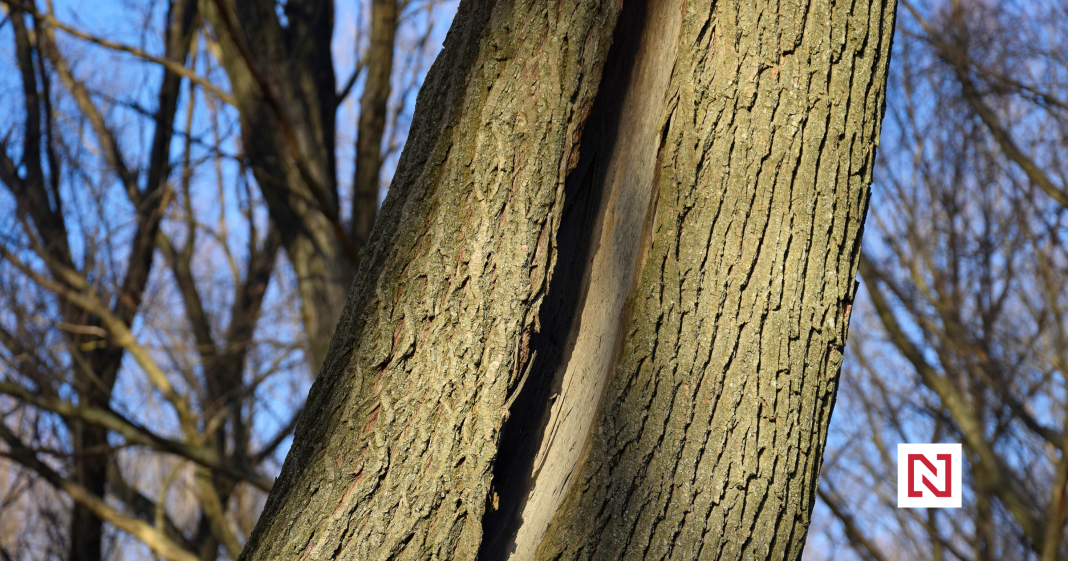
There are situations where trees can seem to “explode” in dramatic fashion. Besides lightning, another rare phenomenon is frost cracks. In extreme cold weather, the water in a tree can freeze, expanding rapidly and sometimes causing a loud crack as the bark splits under the pressure. While startling, these cases are part of nature’s many wonders rather than any inherent explosive quality in trees themselves.
Forest fires present another scenario. When trees are engulfed in wildfires, the intense heat may cause a similar steam buildup within the tree, resulting in violent bursts. This is not the tree exploding from within, but rather a response to external temperature extremes that are outside of typical environmental variation.
The Dangers of Viral Misinformation

The spread of misleading videos contributes to misinformation, which can skew public understanding of natural phenomena. It is essential to promote accurate knowledge and ensure that viewers differentiate between dramatized content and real-life evidence-based occurrences.
Education, supported by scientific research and clear communication, plays a vital role in combating such misinformation. Highlighting the true nature of trees and their environmental interactions can cultivate a well-informed public that appreciates nature’s true capabilities without succumbing to exaggerated or false narratives.
In conclusion, while videos of exploding trees can be thrilling, they often don’t reflect reality. Trees are resilient, surviving centuries of natural challenges without the dramatic flair of Hollywood effects.