
With the rise in mental health issues following the pandemic, many people are seeking guidance on how to cope. Renowned psychiatrists offer valuable insights on managing this delicate situation effectively.
The Mental Health Landscape Post-Pandemic

The global pandemic has had a profound impact on various aspects of life, with mental health being a significant area of concern. The isolation, uncertainty, and lifestyle shifts have led to a remarkable increase in individuals reporting anxiety, depression, and other psychological issues. According to recent studies, the prevalence of mental health disorders has surged, with many people seeking professional help for the first time.
Experts attribute this rise to several factors, including prolonged social isolation and heightened economic stress. In the face of these challenges, mental health professionals emphasize the importance of acknowledging and responding to emotional health needs proactively.
Recognizing the Signs and Symptoms
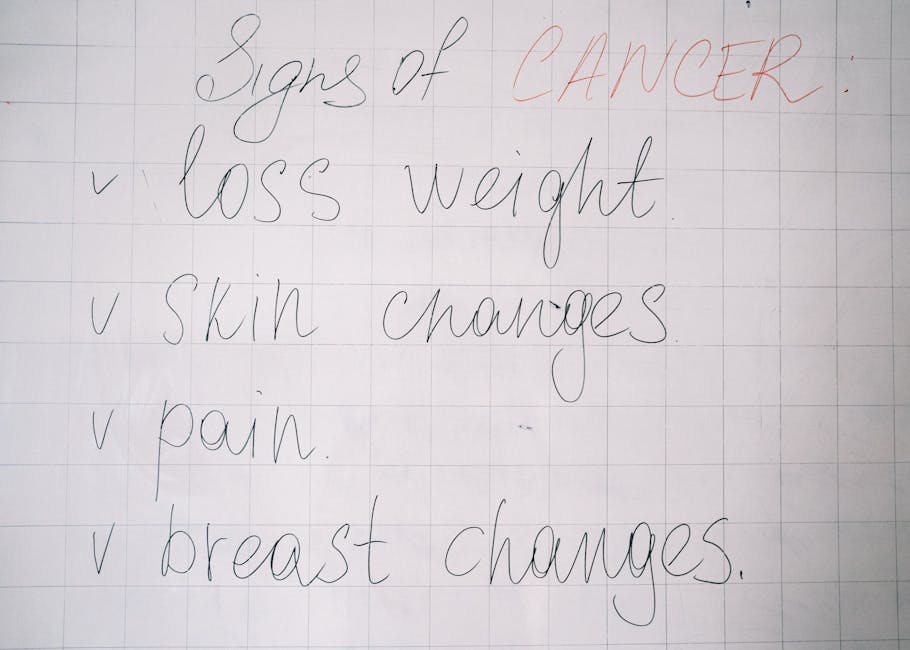
Identifying mental health issues early is crucial for effective intervention. Common signs include persistent sadness, lack of interest in daily activities, and significant changes in sleep or appetite. Additionally, individuals may experience excessive worry or feelings of hopelessness, making it difficult to function in everyday life.
Psychiatrists recommend paying attention to these symptoms and seeking help as soon as they are recognized. Having open conversations about mental health with trusted friends and family can also be beneficial in identifying when professional assistance is needed.
Strategies for Coping and Recovery

Engaging in regular physical activity, maintaining a balanced diet, and ensuring adequate sleep are foundational strategies for mental wellness. These practices are known to improve mood and reduce stress levels, making them essential components of mental health management.
An additional key strategy is mindfulness meditation, which has been shown to reduce anxiety and improve overall emotional wellbeing. Practicing mindfulness involves being present in the moment, acknowledging feelings without judgment, and developing a deeper understanding of personal emotional patterns.
The Role of Professional Support

While self-care strategies are beneficial, professional support remains a critical resource for those experiencing significant mental health challenges. Psychiatrists and therapists provide tailored treatment plans that may include therapy, medication, or a combination of both. Early intervention by mental health professionals can lead to more effective outcomes and improved quality of life.
Accessing mental health services has become easier in recent years, with many professionals offering telemedicine consultations. This approach allows individuals to receive care in a comfortable and accessible environment, further enhancing the support available during these trying times.
In conclusion, the growing awareness and acknowledgment of mental health issues post-pandemic present an opportunity to focus on holistic wellbeing. Embracing a proactive approach and utilizing available resources can pave the way towards recovery and resilience.