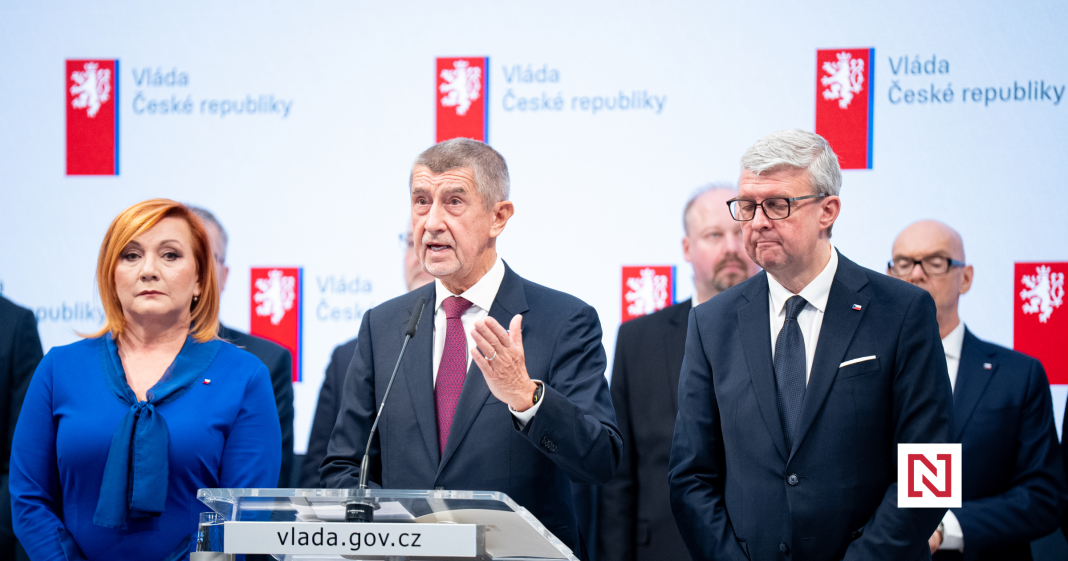

The Czech government has recently announced a budget deficit of 310 billion CZK for the upcoming fiscal year. This sizable deficit raises concerns and poses several challenges for the country’s economy and public services.
Economic Impact of the Deficit

The projected deficit reflects the ongoing financial pressures faced by the Czech Republic. Rising costs, inflation, and the recovery from the COVID-19 pandemic have all contributed to these budgetary constraints. Economists warn that a high deficit might lead to increased borrowing and potential downgrades in the country’s credit rating, which could in turn increase the cost of debt.
This financial situation may compel the government to explore austerity measures or seek additional revenue sources, such as tax reforms. Balancing fiscal responsibility with the need to support an economy still rebounding from the pandemic will be critical for the government.
Implications for Public Services

The announcement of the budget deficit has significant implications for public services in Czechia. Sectors like healthcare, education, and infrastructure could face cuts or underfunding, affecting quality and accessibility. The government will need to strategically manage resources to ensure essential services continue to function effectively.
Public sector workers might also feel the impact. Potential wage freezes or reductions in workforce could be considered as part of cost-saving measures, which might lead to public unrest or protests, especially if inflation continues to erode purchasing power.
Political Repercussions

The substantial budget deficit is likely to become a pivotal issue in Czech political discourse. The government may face criticism from opposition parties, questioning its fiscal management and decision-making processes. This could lead to intense debates in parliament and among the public.
Moreover, the government’s strategy to manage this deficit will be crucial for its political capital. Successful navigation could enhance its standing, while failure to adequately address economic concerns might weaken public support and lead to electoral difficulties.
Strategies for Mitigation

To address the budget deficit, the Czech government is exploring various strategies aimed at economic stabilization and growth. These might include incentives to boost investment in key industries, fostering innovation, and enhancing export opportunities to increase revenue streams.
Another potential approach could involve closer cooperation with European Union partners to seek support through regional funds or collaborative projects, aimed at long-term economic revitalization and job creation.
As the government moves forward with addressing the 310 billion CZK deficit, balancing economic growth and fiscal responsibility remains a critical challenge. The decisions taken in the upcoming months could have long-lasting impacts on the country’s financial health and societal wellbeing.
Source: Official Czech Government website.